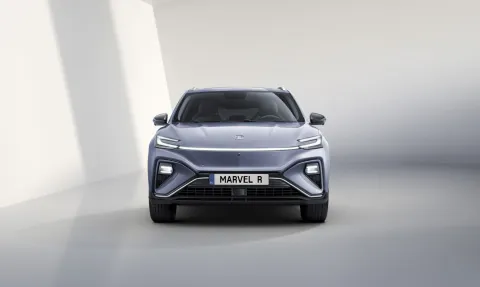
Chrysler Pacifica (2003 - 2020)
The Chrysler Pacifica is in the database with :models generations and body styles and 7 trims, built from 2003 - 2020. The most powerful trim makes 291 hp and belongs to the Chrysler Pacifica (2016 - 2020). The most recent generation is the Chrysler Pacifica (2021 - present), available in 1 trims.
- Generations
- 3
- Trims
- 7
- Production years
- 2003 - 2020
- Power
- 291 hp
Pacifica 2021 - present
1 trim
| Trim | Fuel | Power | Torque | 0–100 | Top speed | Fuel economy | CO2 | Select |
|---|---|---|---|---|---|---|---|---|
| 3.6L V6 9AT AWD (287 HP) | Petrol | 287 hp | 355 Nm | — | — | — | — |
Pacifica 2016 - 2020
2 trims
| Trim | Fuel | Power | Torque | 0–100 | Top speed | Fuel economy | CO2 | Select |
|---|---|---|---|---|---|---|---|---|
| 3.6L V6 eCVT FWD (287 HP) | Petrol | 287 hp | 355 Nm | 7.5 s | 229 km/h | — | — | |
| 3.6L V6 9AT FWD (287 HP) | Petrol | 291 hp | — | — | — | — | — |
Pacifica 2003 - 2006
4 trims
| Trim | Fuel | Power | Torque | 0–100 | Top speed | Fuel economy | CO2 | Select |
|---|---|---|---|---|---|---|---|---|
| 3.8L V6 4AT FWD (213 HP) | Petrol | 218 hp | 323 Nm | 10.0 s | — | — | — | |
| 3.5L V6 4AT FWD (223 HP) | Petrol | 253 hp | 339 Nm | — | — | — | — | |
| 4.0L V6 6AT AWD (256 HP) | Petrol | 256 hp | 355 Nm | — | 190 km/h | 13.8 l/100 km | — | |
| 4.0L V6 6AT FWD (256 HP) | Petrol | 256 hp | 355 Nm | — | 190 km/h | 13.8 l/100 km | — |
Is Chrysler Pacifica a good choice against other models?
Average across every Chrysler Pacifica trim, compared with 3,612 trims of other cars from the 2018–2024 period.
| Measure | This model | Average | Position |
|---|---|---|---|
| Power | 287 hp | 262 hp |
better than 69%
|
| Torque | 355 Nm | 406 Nm |
better than 49%
|
| Cargo volume | 915 l | 545 l |
better than 94%
|
| Unladen weight | 2,262 kg | 1,724 kg |
better than 11%
|
Percentages show the share of trims from the same period this model beats on that measure. Manufacturer figures.
Not stated by the manufacturer: top speed, acceleration 0–100 km/h, combined consumption and co2 emissions. Those measures are left out of the comparison.