Skip to content
AD

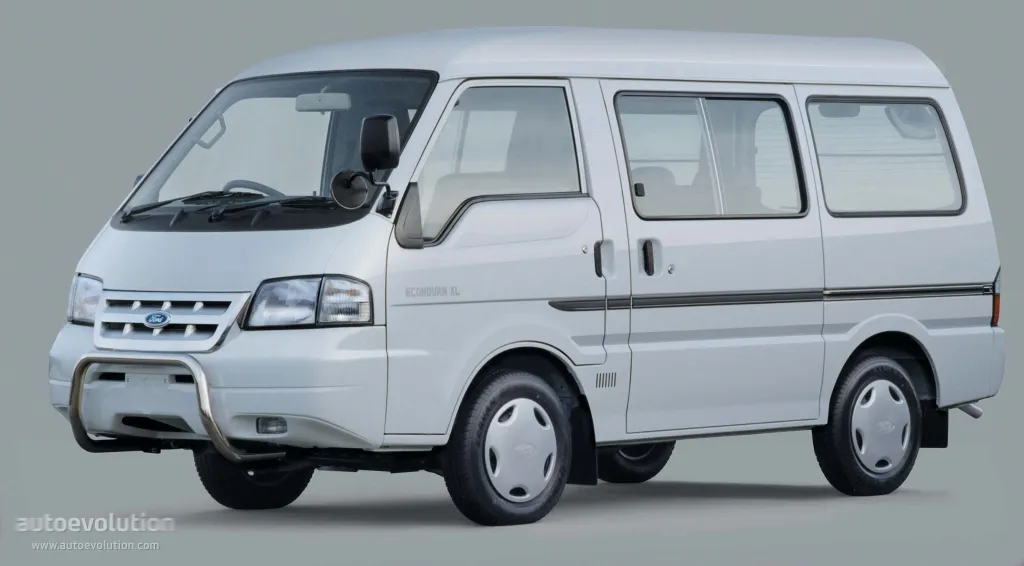
Ford Econovan (1999 - 2005)

Ford · 2 trims

Ford Econovan

The Ford Econovan (1999 - 2005) is available in 2 trims producing 86 to 97 hp. The lowest stated fuel consumption is 5.2 l/100 km.

Power
97 hp
0–100
Fuel economy
5.2 l/100 km
Cargo

Econovan Trims

Compare →
Trims and engine versions — Ford Econovan
Trim Fuel Power Torque 0–100 Top speed Fuel economy CO2 Select
2.0 TD 5MT (86 HP) Diesel 86 hp 178 Nm 5.2 l/100 km 138 g/km
2.0 5MT (97 HP) Petrol 97 hp 155 Nm 7.4 l/100 km 176 g/km

Fuel economy and CO2 follow the stated test cycle. Manufacturer figures; deviations per market and option pack are possible.

Is Ford Econovan a good choice against other models?

Average across every Ford Econovan trim, compared with 4,239 trims of other cars from the 1996–2002 period.

Is Ford Econovan a good choice against other models?
Measure This model Average Position
Power 92 hp 153 hp
better than 20%
Torque 167 Nm 239 Nm
better than 27%
Combined consumption 6.3 l/100 km 8.4 l/100 km
better than 79%
CO2 emissions 157 g/km 203 g/km
better than 79%
Unladen weight 1,580 kg 1,378 kg
better than 22%

Percentages show the share of trims from the same period this model beats on that measure. Manufacturer figures.

Not stated by the manufacturer: top speed, acceleration 0–100 km/h and cargo volume. Those measures are left out of the comparison.

Comparable models from other brands

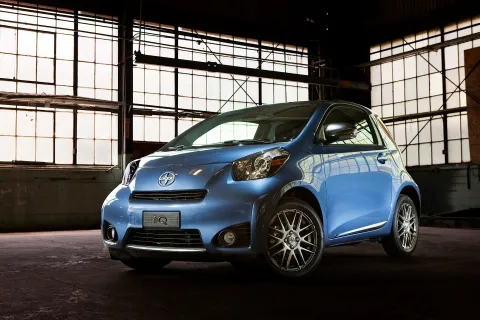
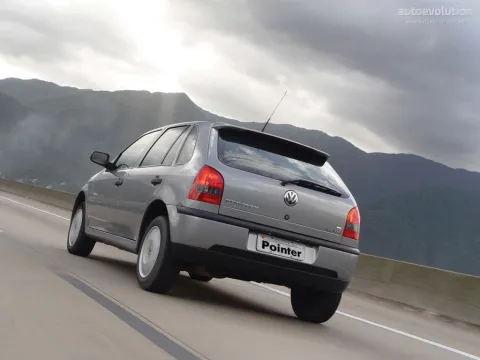
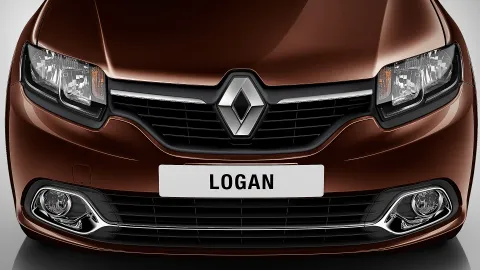
Suzuki Volvo Renault Scion Volkswagen

About Ford Econovan

Developed together with Mazda for the Asian market, the 1999 Ford Econovan was a small, affordable minivan used for people transport and as a light commercial vehicle.

On the Asian market, the light-utility vehicles were used as a basis for all kinds of transformations, from just a regular van use up to campers. Since the Econovan was an affordable vehicle built on a solid chassis, it made it one of the best choices for such conversions. The car was also known as Mazda Bongo.

Mazda design team created a cab-forward concept, with a raked windshield that started just above the front panel. The engine and gearbox were mounted between the front occupants, under a high center tunnel. There were two regular doors in the front to access the cabin, two sliding doors on the side, and a big liftgate at the car's back. The car was offered with a short or long wheelbase. The latter featured sliding windows for the door area.

The instrument cluster featured an unusual design with the fuel gauge and coolant temperature indicator installed inside the tachometer dial. An LCD screen for the clock was placed at the bottom of the speedometer. Since the vehicle was made as an LCV, the base version didn't have power windows or air-conditioning. The upper trim level featured both of that and side windows for the passenger area.

Ford offered the Econovan with either a 2.0-liter gasoline or a 2.0-liter turbodiesel engine, both paired to a 5-speed manual.

How much power does the Ford Econovan have?

The most powerful Ford Econovan trim is the 2.0 5MT (97 HP) with 97 hp. The model has 2 trims, starting at 86 hp.

What is the fuel consumption of the Ford Econovan?

The most economical Ford Econovan trim is the 2.0 TD 5MT (86 HP), with a stated combined consumption of 5.2 l/100 km and 138 g CO2 per km.

Other Ford models

Ford Windstar

1998 - 2004 · 3 trims

Power
200 hp
0–100
13.5 s
Fuel economy

Petrol

Ford Cougar

1998 - 2001 · 2 trims

Power
170 hp
0–100
8.6 s
Fuel economy
8.3

Petrol

Ford Excursion

2000 - 2005 · 5 trims

Power
338 hp
0–100
11.0 s
Fuel economy

Petrol Diesel

Ford SportKa

2003 - 2008 · 1 trim

Power
95 hp
0–100
9.7 s
Fuel economy
7.6

Petrol