About Koenigsegg Jesko
In 2019, Koenigsegg unveiled the Jesko at the Geneva Motor Show, and the hypercar stunned the audience with its outrageous look and engineering solutions.
Christian von Koenigsegg named its newest creation after his father, who had taken an active role in the company's development from the beginning of the company. Moreover, Jesko von Koenigsegg and his wife Brita were there at the Geneva Motor Show when their son unveiled the car named after him. The solutions adopted for the new model made the Jesko one of the fastest and most exclusive hypercars on the market, especially since the car manufacturer made it in just 125 units.
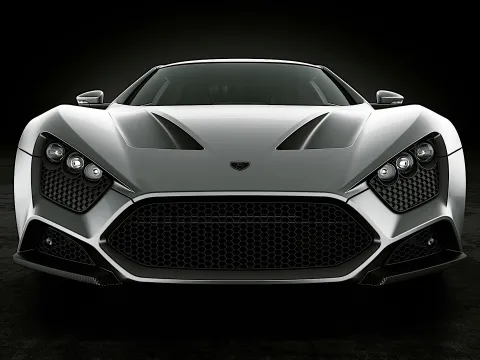
Like any other Koenigsegg before it, the Jesko showed a unique stance with a front fascia that left no doubts about the vehicle's performance. Its massive splitter at the front was installed to create maximum downforce, and its air dam collected air and expelled it through a vent on the hood. The narrow, pentagonal, and swept-back headlights featured LED daytime running lights covering the lamps' upper sides. On the upper side of the fenders, the automaker added exhaust vents that released the air trapped inside the wheel wells to increase downforce.
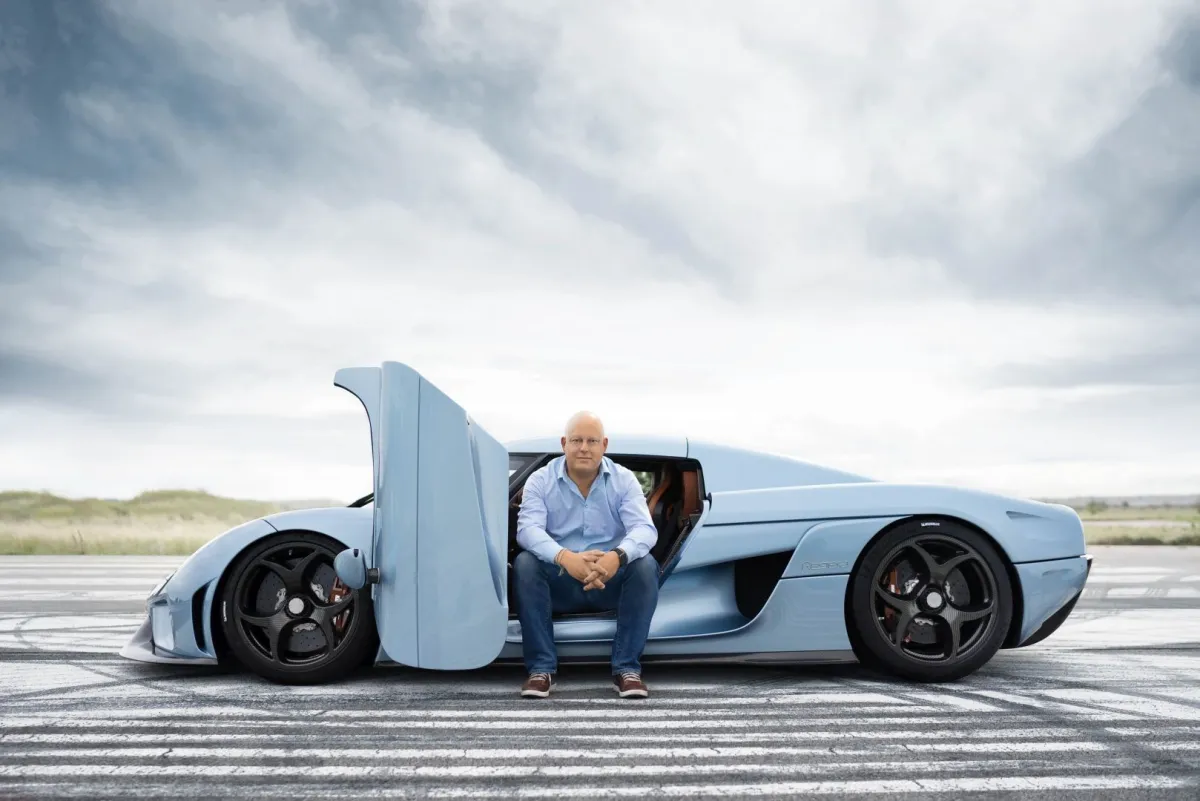
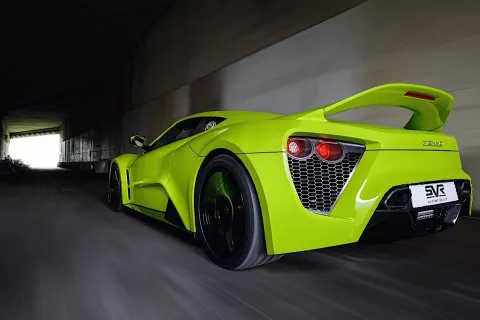
From its profile, the Jesko unveiled the many details that made it special in the hypercar market. Its hollow carbon fiber wheels wrapped in Michelin tires were just part of the game and some of the lightest on the market. The dihedral synchro-helix doors were a design signature for the Swedish car manufacturer. For the Jesko, Koenigsegg created a slightly taller greenhouse with an extended windshield to improve the driver's visibility. In addition, the carbon fiber roof could be removed for an open-top driving experience. The Jesko featured large air intakes for the engine's intercoolers on the rear quarter panels. One of the car's most intriguing parts was the massive rear wing mounted above the engine compartment. It created downforce, and it was one of the lightest available thanks to its carbon-fiber construction and advanced engineering process.
Inside, Koenigsegg tried to create a luxurious and comfortable ambiance for the Jesko. Even though it was a hypercar, that didn't mean it had to be punishing to its customers. The sports seats with integrated headrests and racing harnesses greeted customers. Fronting the driver was a display that moved together with the hexagonal-shaped steering wheel. But Koenigsegg tried to make the car easy to live with, so it installed a couple of cup holders between the seats, a glove box in front of the side passenger, and another storage area with three USB-C ports in the back of the center console. The infotainment system was on the center stack, between the upper-mounted vents and the gear stick.
But one of the most impressive parts of the car was under its skin. The five-liter twin-turbocharged V8 engine that roared behind the cabin didn't have a flywheel, which was very unusual. That element was integrated into the nine-speed automatic gearbox together with the clutch assembly.