Skip to content
AD

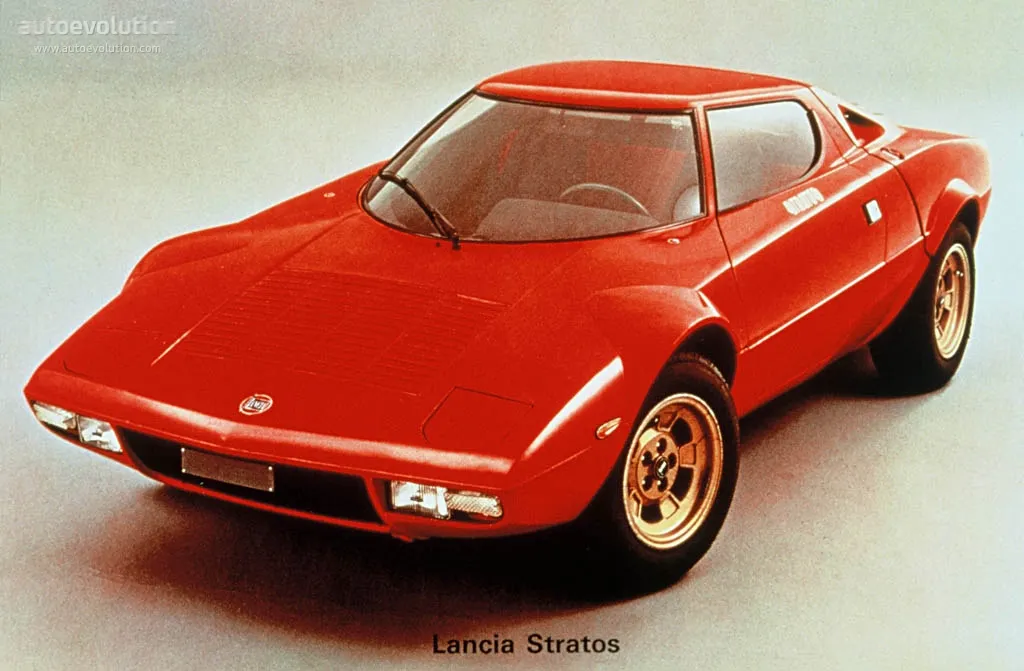
Lancia Stratos (1973 - 1975)

Lancia · 1 trim

Lancia Stratos

The Lancia Stratos (1973 - 1975) is available in 1 trims producing 190 to 190 hp. The fastest trim reaches 230 km/h.

Power
190 hp
0–100
Fuel economy
Cargo

Stratos Trims

Compare →
Trims and engine versions — Lancia Stratos
Trim Fuel Power Torque 0–100 Top speed Fuel economy CO2 Select
2.4 Petrol 190 hp 225 Nm 230 km/h

Fuel economy and CO2 follow the stated test cycle. Manufacturer figures; deviations per market and option pack are possible.

Is Lancia Stratos a good choice against other models?

Average across every Lancia Stratos trim, compared with 451 trims of other cars from the 1970–1976 period.

Is Lancia Stratos a good choice against other models?
Measure This model Average Position
Power 190 hp 151 hp
better than 75%
Torque 225 Nm 234 Nm
better than 58%
Top speed 230 km/h 183 km/h
better than 89%
Unladen weight 980 kg 1,275 kg
better than 81%

Percentages show the share of trims from the same period this model beats on that measure. Manufacturer figures.

Not stated by the manufacturer: acceleration 0–100 km/h, combined consumption, co2 emissions and cargo volume. Those measures are left out of the comparison.

Comparable models from other brands

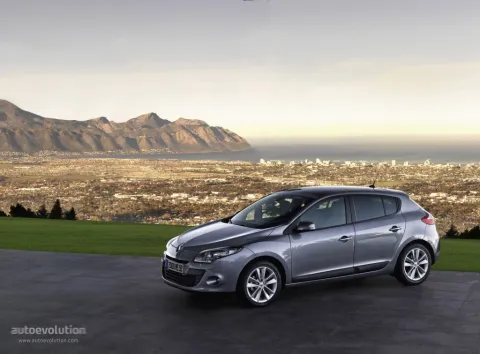
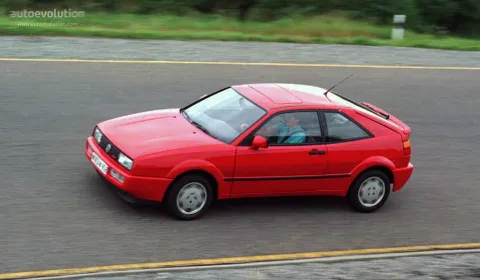
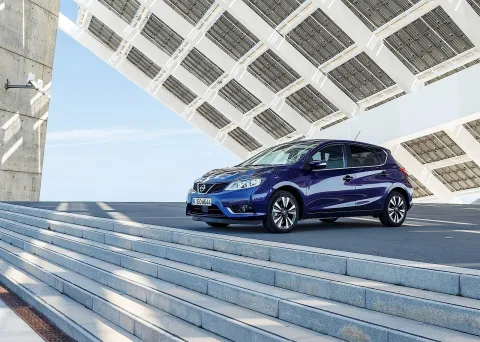
Renault Volkswagen Nissan Alfa Romeo Maserati

About Lancia Stratos

There is no doubt that the Lancia Stratos was one of the most fantastic cars ever made and won the World Rally Championship back-to-back three times between 1974 and 1976.

Lancia designed the car to win rallies, and it did a fantastic job. Bertone Studios signed the initial concept and showcased it at the 1971 Turin Motor Show under the Stratos Zero name. The Italian carmaker used the engine from a Ferrari Dino (which didn't sport the Ferrari badge, by the way). Fiat built the 500 powerplants needed to get the FIA homologation.

Racing necessities dictated the strange look of the car. At the front, it featured pop-up headlights to improve the aerodynamic. Its unique-shaped windshield had a constant radius to reduce distortion. Even if it looked thick, the B-pillars were thinner, but the engine compartment's lid extended it. Lancia chose to install a massive rear cover that opened with the rear fenders and the back panel. From behind, a set of round taillights carried over from the Dino completed the design of the short Stratos.

Lancia built the Stratos' interior around Sandro Munari, its main rally-driver, who was 5.8' (1.76m). Like any race-built vehicle, the Stratos HF Stradale offered minimal interior room, but it had some unusual features. The door's shape allowed the carmaker to install huge pockets inside them, so the driver and its co-driver could place their helmets. The side windows were fixed but featured a sliding area for some ventilation.

Lancia installed a 2.4-liter V-6 engine behind the cockpit and paired it to a five-speed manual gearbox. The street-clothing version provided 190 hp, which was more than enough to propel the 900 kg (1984 lbs) to 60 mph in less than seven seconds. It featured independent suspension in all corners.

How much power does the Lancia Stratos have?

The most powerful Lancia Stratos trim is the 2.4 with 190 hp. The model has 1 trims, starting at 190 hp.

Other Lancia models

Lancia 2000 Coupe

1971 - 1974 · 2 trims

Power
125 hp
0–100
10.2 s
Fuel economy
10.3

Petrol

Lancia Trevi

1981 - 1985 · 2 trims

Power
122 hp
0–100
10.2 s
Fuel economy
9.9

Petrol

Lancia Prisma

1983 - 1990 · 8 trims

Power
116 hp
0–100
10.0 s
Fuel economy
5.8

Petrol Diesel

Lancia Zeta

1994 - 2001 · 4 trims

Power
147 hp
0–100
10.1 s
Fuel economy
6.7

Petrol Diesel

Lancia Thesis

2001 - 2009 · 7 trims

Power
230 hp
0–100
8.8 s
Fuel economy
7.5

Petrol Diesel

Lancia Phedra

2002 - 2010 · 5 trims

Power
204 hp
0–100
10.2 s
Fuel economy
7.0

Petrol Diesel