Skip to content
AD

Lotus Sport 240 Final Edition (2021 - present)

Lotus · 1 trim

Lotus Sport 240 Final Edition

The Lotus Sport 240 Final Edition (2021 - present) is available in 1 trims producing 240 to 240 hp. The fastest trim reaches 237 km/h. The lowest stated fuel consumption is 7.8 l/100 km.

Power
240 hp
0–100
4.5 s
Fuel economy
7.8 l/100 km
Cargo

Sport 240 Final Edition Trims

Compare →
Trims and engine versions — Lotus Sport 240 Final Edition
Trim Fuel Power Torque 0–100 Top speed Fuel economy CO2 Select
1.8L 6MT (240 HP) Petrol 240 hp 244 Nm 4.5 s 237 km/h 7.8 l/100 km 177 g/km

Fuel economy and CO2 follow the stated test cycle. Manufacturer figures; deviations per market and option pack are possible.

Is Lotus Sport 240 Final Edition a good choice against other models?

Average across every Lotus Sport 240 Final Edition trim, compared with 3,612 trims of other cars from the 2018–2024 period.

Is Lotus Sport 240 Final Edition a good choice against other models?
Measure This model Average Position
Power 240 hp 262 hp
better than 58%
Torque 244 Nm 406 Nm
better than 21%
Top speed 237 km/h 225 km/h
better than 64%
Acceleration 0–100 km/h 4.5 s 7.6 s
better than 84%
Combined consumption 7.8 l/100 km 7.0 l/100 km
better than 30%
CO2 emissions 177 g/km 154 g/km
better than 26%
Unladen weight 922 kg 1,724 kg
better than 99%

Percentages show the share of trims from the same period this model beats on that measure. Manufacturer figures.

Not stated by the manufacturer: cargo volume. Those measures are left out of the comparison.

Comparable models from other brands

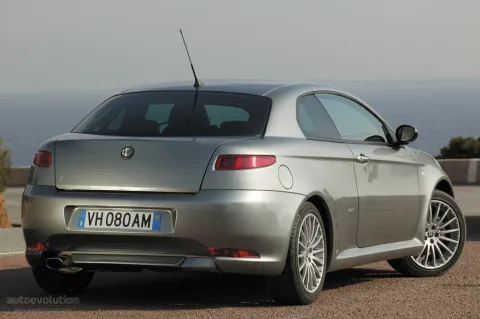
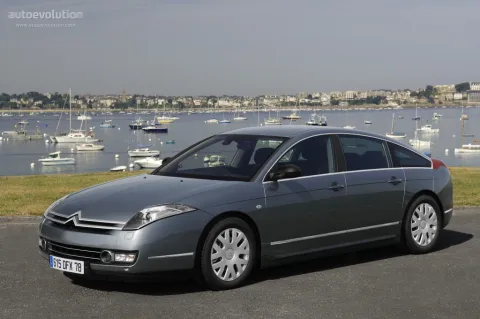
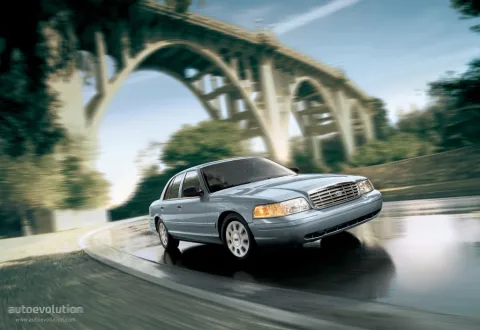
Alfa Romeo Saturn Renault Citroën Ford

About Lotus Sport 240 Final Edition

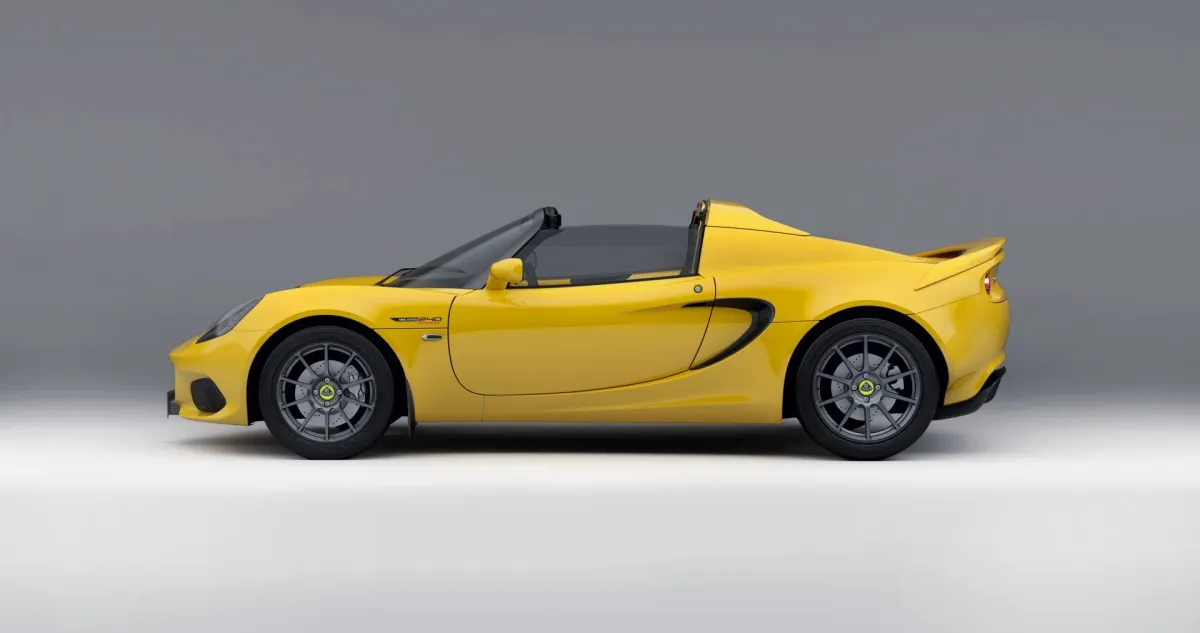
After a few other final editions, Lotus decided to retire the Elise in a true Final Edition roadster that added a few extra ponies and added some changes to the car's look both in and outside.

It might be hard to imagine how the Elise survived on the market for a quarter of a century. It was revealed in 1996, and it went through constant upgrades over time, but in essence, it remained the same bare-chassis sports car. It was the car that saved the Lotus brand and made it great again. No pun intended.

The major changes were for the colors from the outside, which evoked the original paint schemes of the original, 1996, Elise. Lotus offered the Final Edition 240 in Azure Blue, Black, and Racing Green. As a statement for the final 2021 edition, Lotus added "Final Edition 240 Sport" decals on the front fenders. There was no massive rear wing in the back.

Inside, the biggest change was the TFT instrument panel that replaced the analog dials. It featured a two-screen display, one for regular street use and another one for racing, on the tracks. A thick and slightly wider steering wheel clad in leather and Alcantara helped the driver to keep the car under control via the unassisted steering. Between the seats, the carmaker left the gear-box linkages exposed as a spectacular metallic sculpture.

The engine was the same 1.8-liter supercharged four-mill tuned to provide 240 hp. Yes, the Final Edition Sport 240 was heavier than the original 1996 Elise, but it was still a light sports car by any means, and the engine was there just to push it from one corner to another.

How much power does the Lotus Sport 240 Final Edition have?

The most powerful Lotus Sport 240 Final Edition trim is the 1.8L 6MT (240 HP) with 240 hp. The model has 1 trims, starting at 240 hp.

What is the fuel consumption of the Lotus Sport 240 Final Edition?

The most economical Lotus Sport 240 Final Edition trim is the 1.8L 6MT (240 HP), with a stated combined consumption of 7.8 l/100 km and 177 g CO2 per km.

How quickly does the Lotus Sport 240 Final Edition accelerate from 0 to 100 km/h?

The quickest trim is the 1.8L 6MT (240 HP): 0-100 km/h in 4.5 seconds, with a top speed of 237 km/h.

Other Lotus models

Lotus Eletre

2022 - present · 1 trim

Power
600 hp
0–100
3.0 s
Fuel economy

Lotus Emira

2022 - present · 3 trims

Power
400 hp
0–100
4.2 s
Fuel economy

Petrol

Lotus Evija

2020 - present · 1 trim

Power
2,000 hp
0–100
3.0 s
Fuel economy

Electric