Skip to content
AD

Aston Martin Cygnet (2011 - 2013)

Aston Martin · 2 trims

Aston Martin Cygnet

The Aston Martin Cygnet (2011 - 2013) is available in 2 trims producing 98 to 98 hp. The fastest trim reaches 171 km/h. The lowest stated fuel consumption is 5.0 l/100 km.

Power
98 hp
0–100
11.6 s
Fuel economy
5.0 l/100 km
Cargo
31 l

Cygnet Trims

Compare →
Trims and engine versions — Aston Martin Cygnet
Trim Fuel Power Torque 0–100 Top speed Fuel economy CO2 Select
1.3L 6MT (98 HP) Petrol 98 hp 125 Nm 11.8 s 171 km/h 5.0 l/100 km 116 g/km
1.3L CVT (98 HP) Petrol 98 hp 125 Nm 11.6 s 171 km/h 5.2 l/100 km 120 g/km

Fuel economy and CO2 follow the stated test cycle. Manufacturer figures; deviations per market and option pack are possible.

Is Aston Martin Cygnet a good choice against other models?

Average across every Aston Martin Cygnet trim, compared with 8,258 trims of other cars from the 2008–2014 period.

Is Aston Martin Cygnet a good choice against other models?
Measure This model Average Position
Power 98 hp 200 hp
better than 12%
Torque 125 Nm 322 Nm
better than 5%
Top speed 171 km/h 211 km/h
better than 8%
Acceleration 0–100 km/h 11.7 s 9.2 s
better than 19%
Combined consumption 5.1 l/100 km 7.1 l/100 km
better than 74%
CO2 emissions 118 g/km 160 g/km
better than 82%
Cargo volume 31 l 471 l
better than 0%
Unladen weight 988 kg 1,552 kg
better than 97%

Percentages show the share of trims from the same period this model beats on that measure. Manufacturer figures.

Comparable models from other brands

Chevrolet Ford Scion Volkswagen Renault

About Aston Martin Cygnet

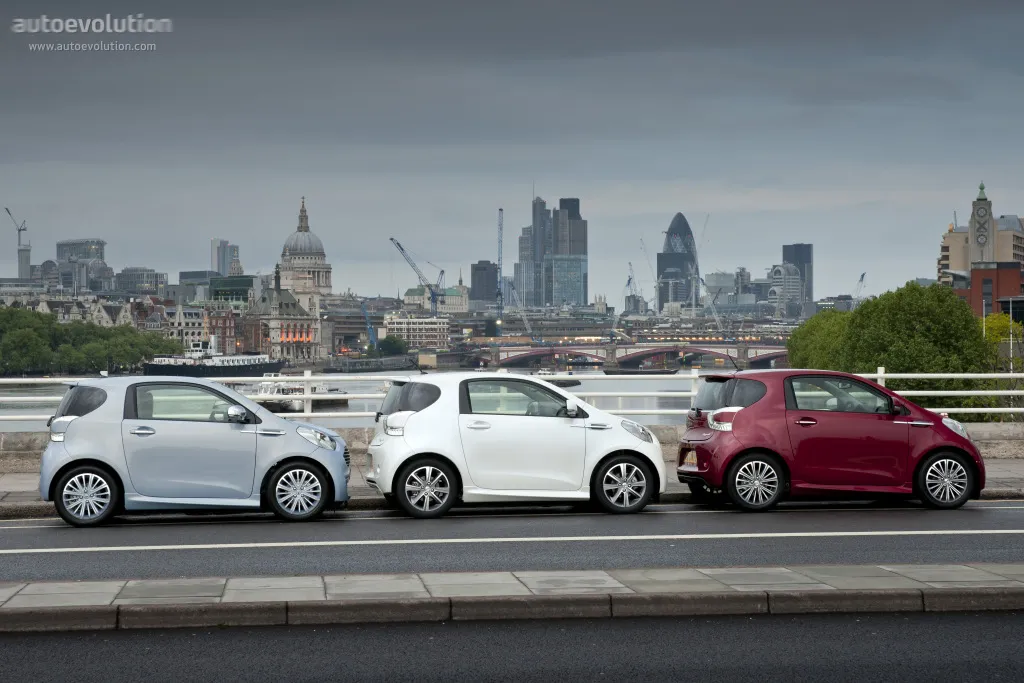
When we first heard the nameplate of Cygnet, we thought that Aston Martin brought a new luxury sports coupe or a sports sedan. Never had we imagined it was actually a small city car.

Why would a producer like Aston who does some of the world’s most beautiful sports cars decide to invest in a mini car?

Well, only laws could convince them, and we understand why. The EU regulations asked the producers to cut their CO2 emissions by 35 %. Not really a biggie for companies producing series cars, but a hard task for Aston.

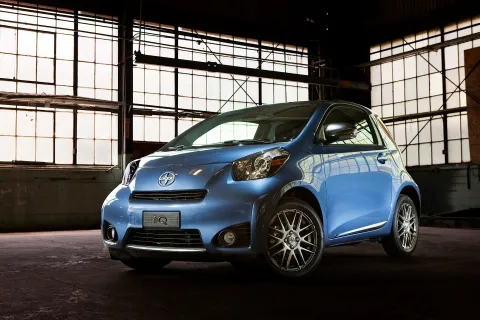
While the Cygnet was based on the Toyota IQ city car, he exterior paint and the interior design were pure Aston. The interior of the Cygnet was the interior of the Aston Martin DBS, probably with reduced dimensions to fit the small cabin.

The entire mini car was handcrafted from scratch, from manually painted exterior to the manually handcrafted leather seats. The exterior paint colors were the same available for the DBS.

The small Cygnet had a 1.3 petrol engine developing 100 hp, mated to a 5-speed manual or a CVT automatic transmission.

The Cygnet was a perfect match for city traffic, with its electric assisted steering, the small car felt like a fish in the water.

Long roads though were not made for the Cygnet, as the steering was not that precise, and also, the rear seat passengers would not have enough legroom and headroom to enjoy the journey.

How much power does the Aston Martin Cygnet have?

The most powerful Aston Martin Cygnet trim is the 1.3L 6MT (98 HP) with 98 hp. The model has 2 trims, starting at 98 hp.

What is the fuel consumption of the Aston Martin Cygnet?

The most economical Aston Martin Cygnet trim is the 1.3L 6MT (98 HP), with a stated combined consumption of 5.0 l/100 km and 116 g CO2 per km.

How quickly does the Aston Martin Cygnet accelerate from 0 to 100 km/h?

The quickest trim is the 1.3L CVT (98 HP): 0-100 km/h in 11.6 seconds, with a top speed of 171 km/h.

How large is the cargo volume of the Aston Martin Cygnet?

The largest stated cargo volume for the Aston Martin Cygnet is 31 litres.

Other Aston Martin models

Aston Martin DBX

2020 - present · 1 trim

Power
550 hp
0–100
4.5 s
Fuel economy
14.3

Petrol