Skip to content
AD

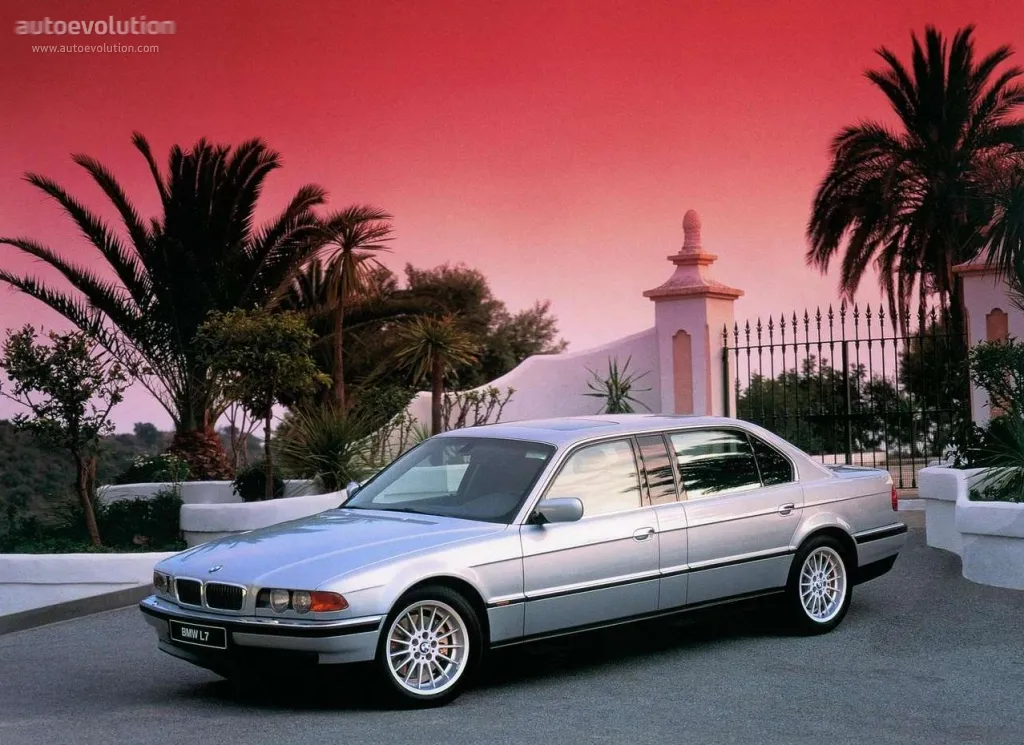
BMW L7 (E38) (1997 - 2001)

BMW · 1 trim

BMW L7 (E38)

The BMW L7 (E38) (1997 - 2001) is available in 1 trims producing 326 to 326 hp. The fastest trim reaches 250 km/h. The lowest stated fuel consumption is 15.1 l/100 km.

Power
326 hp
0–100
6.8 s
Fuel economy
15.1 l/100 km
Cargo
439 l

L7 (E38) Trims

Compare →
Trims and engine versions — BMW L7 (E38)
Trim Fuel Power Torque 0–100 Top speed Fuel economy CO2 Select
5.4L V12 5AT RWD (326 HP) Petrol 326 hp 490 Nm 6.8 s 250 km/h 15.1 l/100 km

Fuel economy and CO2 follow the stated test cycle. Manufacturer figures; deviations per market and option pack are possible.

Is BMW L7 (E38) a good choice against other models?

Average across every BMW L7 (E38) trim, compared with 3,693 trims of other cars from the 1994–2000 period.

Is BMW L7 (E38) a good choice against other models?
Measure This model Average Position
Power 326 hp 147 hp
better than 96%
Torque 490 Nm 226 Nm
better than 97%
Top speed 250 km/h 197 km/h
better than 94%
Acceleration 0–100 km/h 6.8 s 11.2 s
better than 93%
Combined consumption 15.1 l/100 km 8.6 l/100 km
better than 2%
Cargo volume 439 l 480 l
better than 53%
Unladen weight 2,120 kg 1,351 kg
better than 2%

Percentages show the share of trims from the same period this model beats on that measure. Manufacturer figures.

Not stated by the manufacturer: co2 emissions. Those measures are left out of the comparison.

Comparable models from other brands

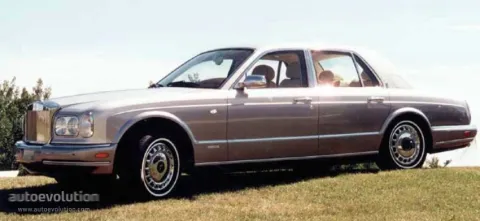
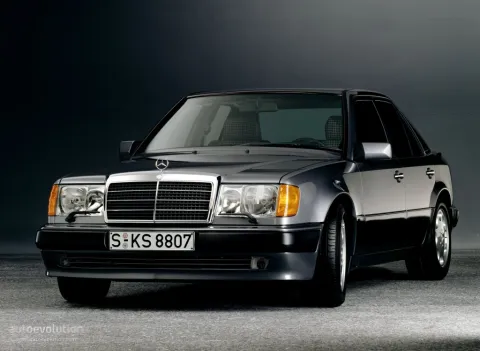
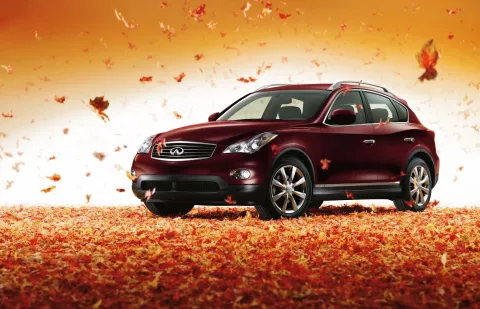
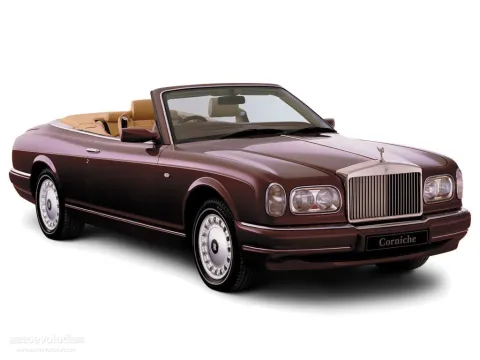
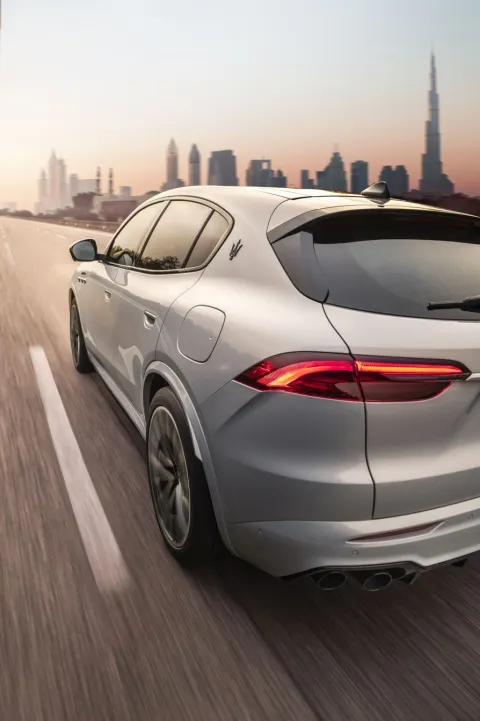
Rolls-Royce Mercedes-Benz Mazda Infiniti Maserati

About BMW L7 (E38)

In 1997, BMW tried its luck with the BMW L7 750 iXL, a stretched version of the E38 7 Series. It is longer by 250 mm (9.8”) than the long-wheelbase 7 series. And all this length is added for the rear passenger's comfort. For this special version, the customization was taken to a different level for a production vehicle.

The vehicle was available with two or three seats in the back. If two seats were selected, a big, central console was installed. It included a small refrigerator, cupholders, separate climate control unit and the buttons for rear-seat heating.

The right-rear passenger had the option to control the right front seat via buttons in the central console. If the passenger needed, he could move the right seat forward, recline it and lower the headrest.

The car could also feature a communication center. The mobile phone technology was not new anymore, but not a common service either. Still, the L7 could have a Fax-machine in the back. On the optional separating panel between the front and rear seats and install a TV.

From the technical point of view, the V12 engine and transmission were standard. It featured the same 5-speed automatic transmission, but with different settings for smoother gear changes. The pneumatic suspension was adjustable, either for a smooth ride or firm, just in case of a getaway run.

How much power does the BMW L7 (E38) have?

The most powerful BMW L7 (E38) trim is the 5.4L V12 5AT RWD (326 HP) with 326 hp. The model has 1 trims, starting at 326 hp.

What is the fuel consumption of the BMW L7 (E38)?

The most economical BMW L7 (E38) trim is the 5.4L V12 5AT RWD (326 HP), with a stated combined consumption of 15.1 l/100 km and — g CO2 per km.

How quickly does the BMW L7 (E38) accelerate from 0 to 100 km/h?

The quickest trim is the 5.4L V12 5AT RWD (326 HP): 0-100 km/h in 6.8 seconds, with a top speed of 250 km/h.

How large is the cargo volume of the BMW L7 (E38)?

The largest stated cargo volume for the BMW L7 (E38) is 439 litres.

Other BMW models

BMW M535i

Unknown · 1 trim

Power
218 hp
0–100
7.6 s
Fuel economy

Petrol

BMW 2019

Unknown · 9 trims

Power
306 hp
0–100
5.0 s
Fuel economy
1.9

Petrol Diesel Hybrid

BMW Z1 (E30)

1988 - 1991 · 1 trim

Power
170 hp
0–100
7.9 s
Fuel economy
9.2

Petrol

BMW X6M (E71)

2009 - 2014 · 1 trim

Power
555 hp
0–100
4.7 s
Fuel economy
13.9

Petrol