Skip to content
AD

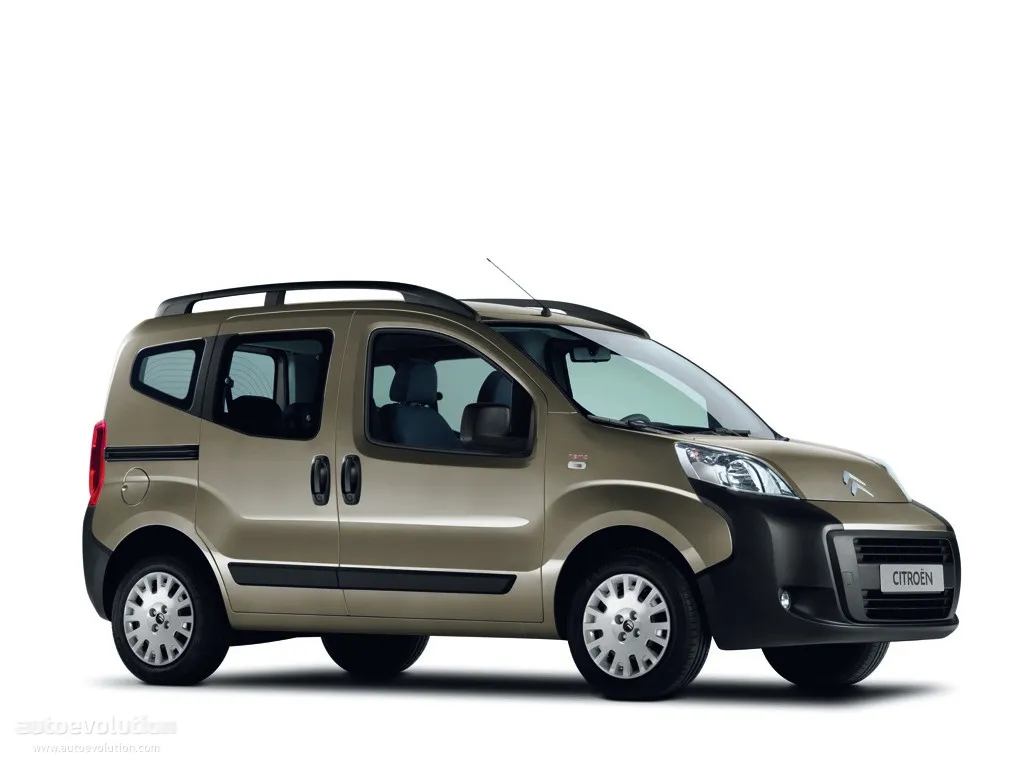
Citroën Nemo Combi (2008 - 2015)

Citroën · 2 trims

Citroën Nemo Combi

The Citroën Nemo Combi (2008 - 2015) is available in 2 trims producing 70 to 73 hp. The fastest trim reaches 154 km/h. The lowest stated fuel consumption is 4.5 l/100 km.

Power
73 hp
0–100
16.6 s
Fuel economy
4.5 l/100 km
Cargo
360 l

Nemo Combi Trims

Compare →
Trims and engine versions — Citroën Nemo Combi
Trim Fuel Power Torque 0–100 Top speed Fuel economy CO2 Select
1.4L HDi 5MT (70 HP) Diesel 70 hp 160 Nm 18.0 s 151 km/h 4.5 l/100 km 120 g/km
1.4L 5MT (73 HP) Petrol 73 hp 118 Nm 16.6 s 154 km/h 6.6 l/100 km 155 g/km

Fuel economy and CO2 follow the stated test cycle. Manufacturer figures; deviations per market and option pack are possible.

Is Citroën Nemo Combi a good choice against other models?

Average across every Citroën Nemo Combi trim, compared with 7,588 trims of other cars from the 2005–2011 period.

Is Citroën Nemo Combi a good choice against other models?
Measure This model Average Position
Power 72 hp 191 hp
better than 3%
Torque 139 Nm 305 Nm
better than 8%
Top speed 153 km/h 209 km/h
better than 2%
Acceleration 0–100 km/h 17.3 s 9.6 s
better than 1%
Combined consumption 5.6 l/100 km 7.8 l/100 km
better than 79%
CO2 emissions 138 g/km 179 g/km
better than 79%
Cargo volume 360 l 471 l
better than 34%
Unladen weight 1,175 kg 1,520 kg
better than 85%

Percentages show the share of trims from the same period this model beats on that measure. Manufacturer figures.

Comparable models from other brands

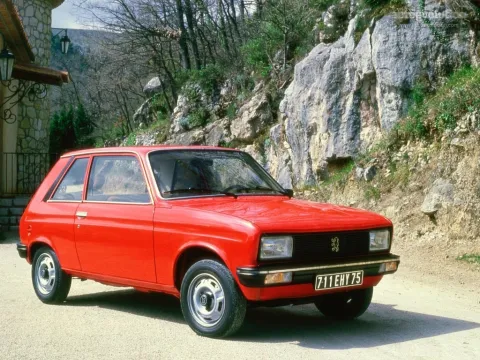
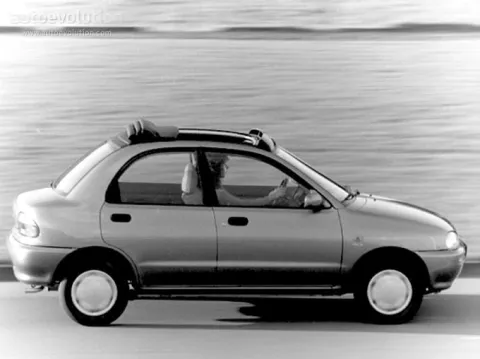
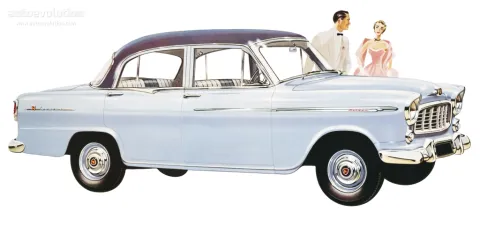
Hindustan Škoda Renault Peugeot Mazda Holden

About Citroën Nemo Combi

Citroen launched the small MPV Nemo at the Brussels Motor Show in 2008. It was a vehicle based on a light utility vehicle, developed in cooperation with Fiat.

Some small entrepreneurs are using the same car for personal and professional use. While some are using pickup-trucks, in small cities a car such as the Nemo could have been more useful due to its size and practicality. In a crowded traffic, with narrow streets and matchbox size parking space, a pickup would be useless.

The basic exterior needs of a small van in Europe were a rugged appearance due to its black plastic bumpers and side protection over the bodywork, sliding doors and a liftback tailgate to easily load and unload goods. To fit more items into the cabin, the exterior design featured vertical side and rear panels.

Inside, the seating position was higher than in most of the small-segment cars. The same went with the rear bench, which could have been folded flat to form a decent load area. For the driver, the Nemo Multispace was equipped with a height-adjustable seat. The steering column was adjustable for height and reach. The instrument cluster was a carry-over from the Fiat Grande Punto, with four analog gauges and a small display for the trip computer.

The car was designed with the fuel-efficiency in mind. The small, 1.4-liter engines, diesel or gasoline, were very frugal in terms of consumption. The high-mounted gear-stick on the dashboard allowed a good reach for the driver. It was available with manual or automatic transmission.

How much power does the Citroën Nemo Combi have?

The most powerful Citroën Nemo Combi trim is the 1.4L 5MT (73 HP) with 73 hp. The model has 2 trims, starting at 70 hp.

What is the fuel consumption of the Citroën Nemo Combi?

The most economical Citroën Nemo Combi trim is the 1.4L HDi 5MT (70 HP), with a stated combined consumption of 4.5 l/100 km and 120 g CO2 per km.

How quickly does the Citroën Nemo Combi accelerate from 0 to 100 km/h?

The quickest trim is the 1.4L 5MT (73 HP): 0-100 km/h in 16.6 seconds, with a top speed of 154 km/h.

How large is the cargo volume of the Citroën Nemo Combi?

The largest stated cargo volume for the Citroën Nemo Combi is 360 litres.

Other Citroën models

Citroën DS 3

2009 - 2014 · 8 trims

Power
203 hp
0–100
6.5 s
Fuel economy
3.8

Petrol Diesel

Citroën C-Crosser

2007 - 2012 · 4 trims

Power
170 hp
0–100
9.6 s
Fuel economy
7.2

Petrol Diesel

Citroën DS4

2010 - present · 11 trims

Power
200 hp
0–100
7.9 s
Fuel economy
4.3

Petrol Diesel

Citroën DS5

2011 - present · 7 trims

Power
200 hp
0–100
8.5 s
Fuel economy
3.4

Petrol Diesel Hybrid

Citroën C6

2005 - present · 4 trims

Power
241 hp
0–100
8.5 s
Fuel economy
6.6

Petrol Diesel

Citroën C-Elysee

2013 - present · 5 trims

Power
116 hp
0–100
9.4 s
Fuel economy
4.3

Petrol Diesel