Skip to content
AD

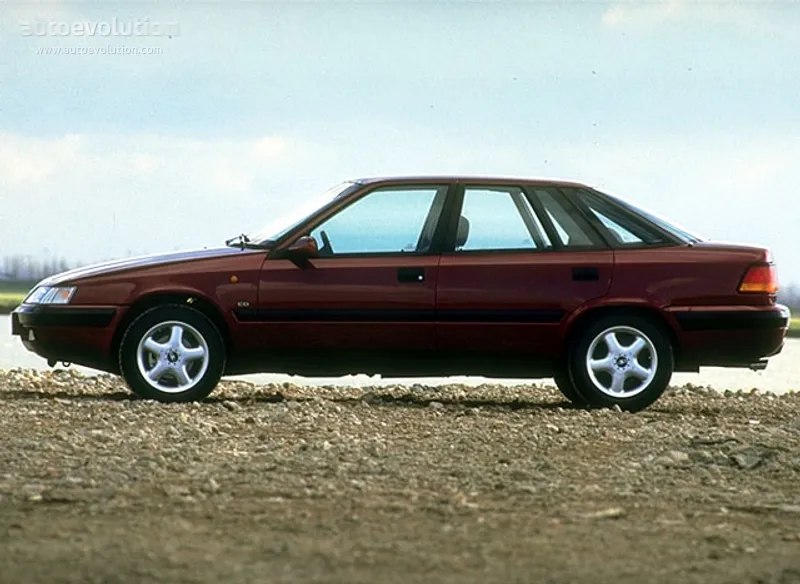
Daewoo Espero (1990 - 1997)

Daewoo · 3 trims

Daewoo Espero

The Daewoo Espero (1990 - 1997) is available in 3 trims producing 90 to 105 hp. The fastest trim reaches 185 km/h. The lowest stated fuel consumption is 7.5 l/100 km.

Power
105 hp
0–100
10.8 s
Fuel economy
7.5 l/100 km
Cargo
561 l

Espero Trims

Compare →
Trims and engine versions — Daewoo Espero
Trim Fuel Power Torque 0–100 Top speed Fuel economy CO2 Select
1.5L 5MT FWD (90 HP) Petrol 90 hp 137 Nm 12.8 s 170 km/h 7.5 l/100 km 178 g/km
1.8L 5MT FWD (95 HP) Petrol 95 hp 145 Nm 11.0 s 180 km/h 8.2 l/100 km 195 g/km
2.0L 5MT FWD (105 HP) Petrol 105 hp 164 Nm 10.8 s 185 km/h 7.9 l/100 km 188 g/km

Fuel economy and CO2 follow the stated test cycle. Manufacturer figures; deviations per market and option pack are possible.

Is Daewoo Espero a good choice against other models?

Average across every Daewoo Espero trim, compared with 1,749 trims of other cars from the 1987–1993 period.

Is Daewoo Espero a good choice against other models?
Measure This model Average Position
Power 97 hp 132 hp
better than 36%
Torque 149 Nm 198 Nm
better than 36%
Top speed 178 km/h 189 km/h
better than 42%
Acceleration 0–100 km/h 11.5 s 11.8 s
better than 47%
Combined consumption 7.9 l/100 km 8.7 l/100 km
better than 60%
CO2 emissions 187 g/km 207 g/km
better than 57%
Cargo volume 561 l 437 l
better than 91%
Unladen weight 1,101 kg 1,254 kg
better than 61%

Percentages show the share of trims from the same period this model beats on that measure. Manufacturer figures.

Comparable models from other brands

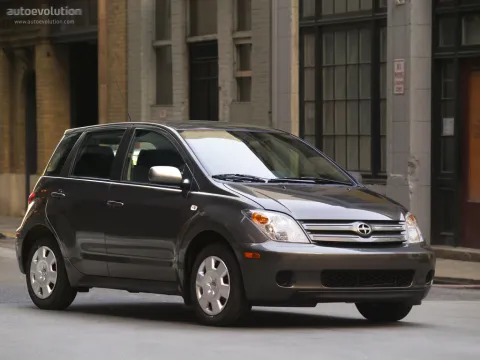
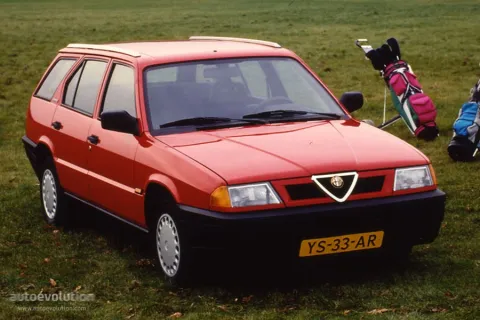
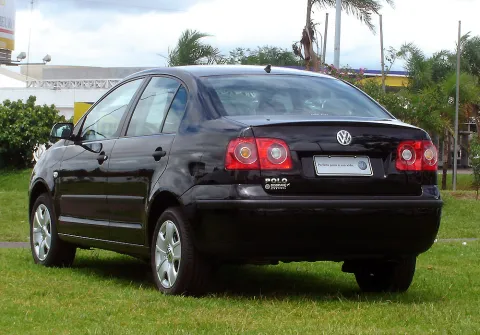
Scion Alfa Romeo Volkswagen Ford Caterham

About Daewoo Espero

With only one generation ever released, the Daewoo Espero was a mid-size 5-door sedan developed by the South Korean car manufacturer Daewoo Motors. The Espero came to life in 1990 and was produced until 1999 in Korea and until 1998 in Poland and Romania.

The car was designed by the Bertone Italian company and the technical equipment was borrowed from General Motors. The Espero was built on a J-body, the same that was used for the Chevrolet Cavalier, Pontiac Sunbird and others. The car had a competitive price and it also offered impressive equipment levels.

The Daewoo Espero was also sold as the Daewoo Aranos in a couple of Spanish-speaking countries due to the meaning of the word “espero” on the domestic markets.

No diesel engines were offered for the Espero and the gasoline engines were a 1.5-liter developing 90 hp, a 1.8-liter producing up to 95 hp and the most powerful 2.0-liter sporting 105 hp.

The car was offered with ABS, double airbags, air conditioning, power windows, power side mirrors, a power trunk lid and an electric gas cap.

Despite the Espero’s drawbacks, such as an outdated interior and its body prone to corrosion, it was still a popular car among the drivers looking for a good price-quality ratio.

In 1997, the new version was named the Daewoo Leganza.

How much power does the Daewoo Espero have?

The most powerful Daewoo Espero trim is the 2.0L 5MT FWD (105 HP) with 105 hp. The model has 3 trims, starting at 90 hp.

What is the fuel consumption of the Daewoo Espero?

The most economical Daewoo Espero trim is the 1.5L 5MT FWD (90 HP), with a stated combined consumption of 7.5 l/100 km and 178 g CO2 per km.

How quickly does the Daewoo Espero accelerate from 0 to 100 km/h?

The quickest trim is the 2.0L 5MT FWD (105 HP): 0-100 km/h in 10.8 seconds, with a top speed of 185 km/h.

How large is the cargo volume of the Daewoo Espero?

The largest stated cargo volume for the Daewoo Espero is 561 litres.

Other Daewoo models

Daewoo Tico

1991 - 2001 · 1 trim

Power
41 hp
0–100
17.5 s
Fuel economy
6.2

Petrol

Daewoo Leganza

1997 - 2002 · 6 trims

Power
146 hp
0–100
9.9 s
Fuel economy
7.5

Petrol

Daewoo Magnus

2002 - 2006 · 7 trims

Power
157 hp
0–100
9.8 s
Fuel economy
7.4

Petrol

Daewoo Damas II

2003 - 2011 · 1 trim

Power
38 hp
0–100
Fuel economy
9.4

Hybrid

Daewoo Statesman

2003 - 2006 · 5 trims

Power
333 hp
0–100
Fuel economy
11.6

Petrol

Daewoo Gentra

2005 - 2011 · 3 trims

Power
105 hp
0–100
11.1 s
Fuel economy
6.4

Petrol