Skip to content
AD

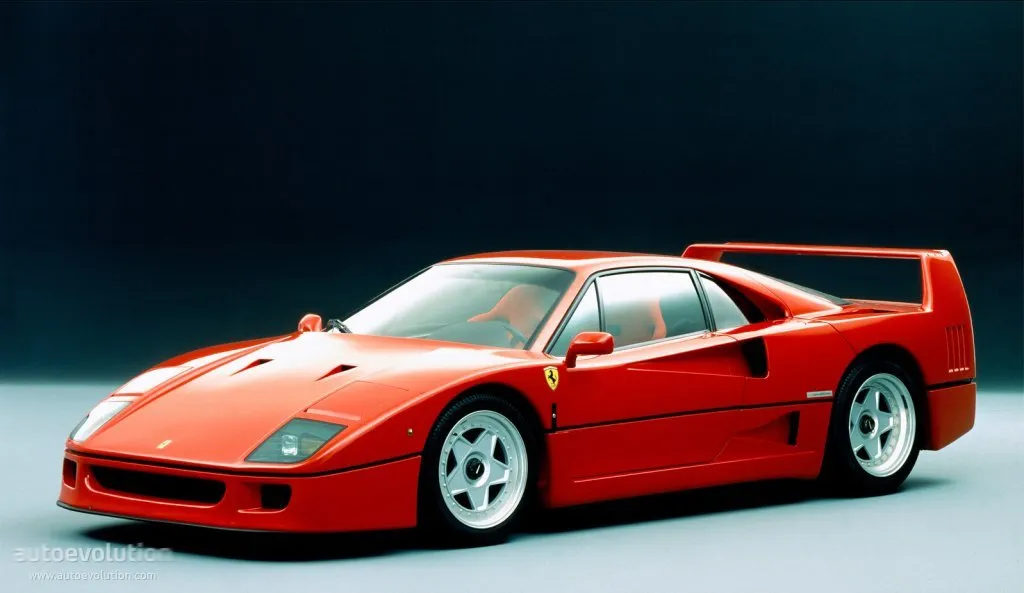
Ferrari F40 (1987 - 1992)

Ferrari · 1 trim

Ferrari F40

The Ferrari F40 (1987 - 1992) is available in 1 trims producing 478 to 478 hp. The fastest trim reaches 323 km/h. The lowest stated fuel consumption is 12.4 l/100 km.

Power
478 hp
0–100
4.1 s
Fuel economy
12.4 l/100 km
Cargo
31 l

F40 Trims

Compare →
Trims and engine versions — Ferrari F40
Trim Fuel Power Torque 0–100 Top speed Fuel economy CO2 Select
2.9L V8 5MT (478 HP) Petrol 478 hp 577 Nm 4.1 s 323 km/h 12.4 l/100 km

Fuel economy and CO2 follow the stated test cycle. Manufacturer figures; deviations per market and option pack are possible.

Is Ferrari F40 a good choice against other models?

Average across every Ferrari F40 trim, compared with 1,270 trims of other cars from the 1984–1990 period.

Is Ferrari F40 a good choice against other models?
Measure This model Average Position
Power 478 hp 125 hp
better than 100%
Torque 577 Nm 187 Nm
better than 100%
Top speed 323 km/h 186 km/h
better than 100%
Acceleration 0–100 km/h 4.1 s 12.0 s
better than 100%
Combined consumption 12.4 l/100 km 8.8 l/100 km
better than 7%
Cargo volume 31 l 446 l
better than 0%
Unladen weight 1,250 kg 1,211 kg
better than 38%

Percentages show the share of trims from the same period this model beats on that measure. Manufacturer figures.

Not stated by the manufacturer: co2 emissions. Those measures are left out of the comparison.

Comparable models from other brands

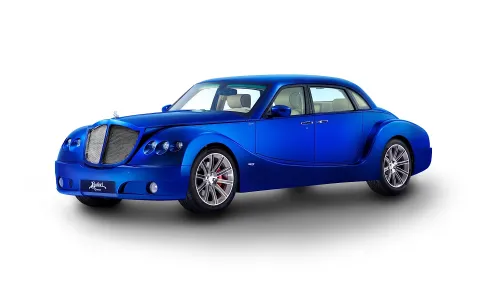
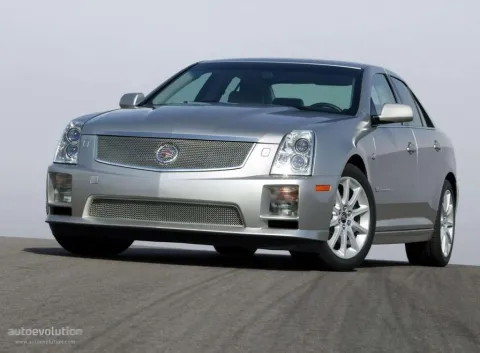
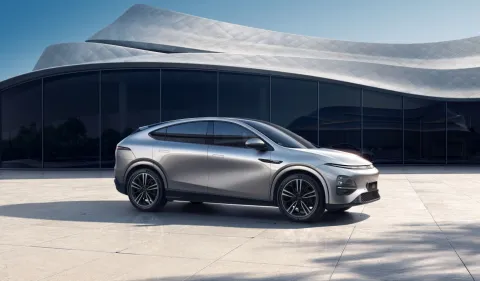
Bufori Cadillac Xpeng Ford Jeep

About Ferrari F40

In a crowd full of journalists, Ferrari Enzo said: “I expressed my wish to the engineers. Build a car to be the best in the world. And now the car is here." The F40 was the last ever Ferrari model to be presented by Enzo himself, just 14 months prior to his death.

With a twin-turbo V8 and a lightweight construction, it didn't lack any punch and it was also crowned the first ever production car to break the 200 mph barrier, its reputation being threatened only by the Porsche 959.

Aerodynamics played a major role in developing the Ferrari F40, as the car relied on this more than its brute force to achieve top speed, achieving an impressive 0.34 drag coefficient back in its time. Designed by Pininfarina, the body featured panels made of kevlar, carbon fiber, and aluminum for strength and low weight. Early models came with fixed windows while the roll-down version came later. Also, the F40 was sold without a catalytic converter until 1990 when regulation made it necessary.

But we didn’t mention the ponies provided by the car’s 3.0-liter V8 engine, a herd of 471 hp with a torque of 425 lb-ft. The F40 rocketed to 200 kph in just 12 seconds. When Ferrari started the F40 production, it planned a total of 400 units with a starting price of $400,000.

How much power does the Ferrari F40 have?

The most powerful Ferrari F40 trim is the 2.9L V8 5MT (478 HP) with 478 hp. The model has 1 trims, starting at 478 hp.

What is the fuel consumption of the Ferrari F40?

The most economical Ferrari F40 trim is the 2.9L V8 5MT (478 HP), with a stated combined consumption of 12.4 l/100 km and — g CO2 per km.

How quickly does the Ferrari F40 accelerate from 0 to 100 km/h?

The quickest trim is the 2.9L V8 5MT (478 HP): 0-100 km/h in 4.1 seconds, with a top speed of 323 km/h.

How large is the cargo volume of the Ferrari F40?

The largest stated cargo volume for the Ferrari F40 is 31 litres.

Other Ferrari models

Ferrari 412

1985 - 1989 · 2 trims

Power
340 hp
0–100
6.7 s
Fuel economy
18.2

Petrol

Ferrari 288 GTO

1984 - 1986 · 1 trim

Power
400 hp
0–100
4.9 s
Fuel economy
12.4

Petrol

Ferrari 512 TR

1992 - 1994 · 1 trim

Power
428 hp
0–100
4.8 s
Fuel economy
10.0

Petrol

Ferrari 456 GT

1992 - 1997 · 2 trims

Power
442 hp
0–100
5.2 s
Fuel economy
18.0

Petrol

Ferrari Mondial 8

1980 - present · 2 trims

Power
214 hp
0–100
9.4 s
Fuel economy
16.7

Petrol