Skip to content
AD

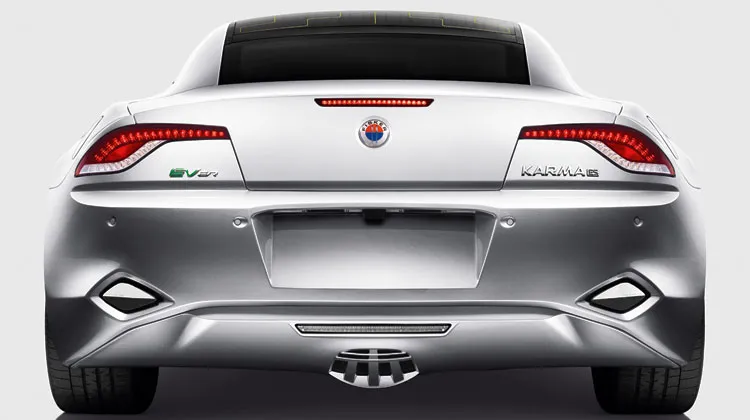
Fisker Karma (2011 - 2012)

Fisker · 1 trim

Fisker Karma

The Fisker Karma (2011 - 2012) is available in 1 trims producing 400 to 400 hp. The fastest trim reaches 200 km/h. The lowest stated fuel consumption is 2.0 l/100 km.

Power
400 hp
0–100
6.1 s
Fuel economy
2.0 l/100 km
Cargo
195 l

Karma Trims

Compare →
Trims and engine versions — Fisker Karma
Trim Fuel Power Torque 0–100 Top speed Fuel economy CO2 Select
2.0L 1Speed (400 HP) Hybrid 400 hp 353 Nm 6.1 s 200 km/h 2.0 l/100 km 51 g/km

Fuel economy and CO2 follow the stated test cycle. Manufacturer figures; deviations per market and option pack are possible.

Is Fisker Karma a good choice against other models?

Average across every Fisker Karma trim, compared with 8,259 trims of other cars from the 2008–2014 period.

Is Fisker Karma a good choice against other models?
Measure This model Average Position
Power 400 hp 200 hp
better than 93%
Torque 353 Nm 322 Nm
better than 66%
Top speed 200 km/h 211 km/h
better than 41%
Acceleration 0–100 km/h 6.1 s 9.2 s
better than 84%
Combined consumption 2.0 l/100 km 7.1 l/100 km
better than 100%
CO2 emissions 51 g/km 160 g/km
better than 100%
Cargo volume 195 l 471 l
better than 4%
Unladen weight 2,404 kg 1,552 kg
better than 3%

Percentages show the share of trims from the same period this model beats on that measure. Manufacturer figures.

Comparable models from other brands

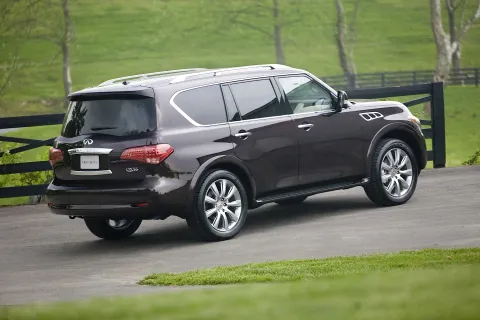
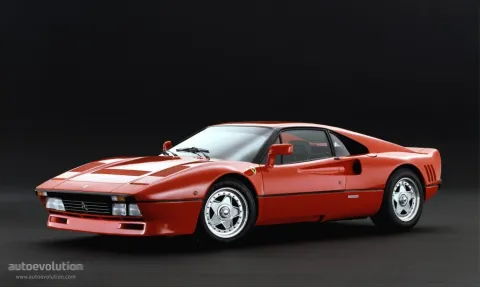
Infiniti Ferrari Lotus BMW Maserati

About Fisker Karma

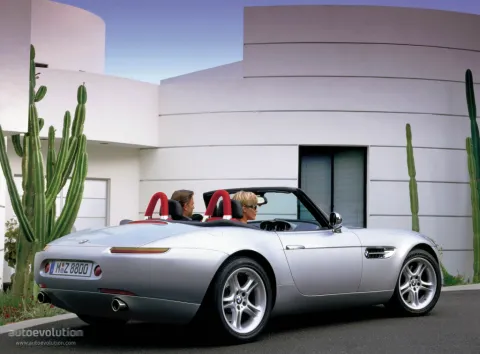
The Karma was designed by a Danish automotive designer name Henrik Fisker, the same person who designed luxury cars such as the BMW z8, the Aston Martin DB9, the Aston Martin V8 Vantage and others.

As expected, the Karma had a beautiful sporty, attractive design and it was built as a environmentally friend. Considered one of the weirdest luxury sedans, the starting price of the basic Karma was around $103,000 and went up to $120,000 for the top-of-the-range model.

Unfortunately, the Karma didn’t have a long life and went out of production in a little over one year. Why? Several customers reported battery supply issues, thus the sales dropped quickly.

The Karma was equipped with a 2.0-liter 4-cylinder turbocharged engine and two electric motors, together producing over 400 hp.

Inside the Karma were the most unexpected, distinctive features. The starting button had “EVer” written on it, and EVer was actually an acronym coming from “electric vehicle with extended range”, badge that could also be seen on the outside, on the side and the back.

The center console featured with window controls, as well as two cupholders.

The gear selector did not have a lever, there were actually buttons for selecting the gear, and all of them formed a diamond shape.

Whenever selecting a gear, a green light flashed under the glass panel located in the center console. The green light would flash differently depending on the gear selected, indicating the direction in which the driver was going to move.

The Karma did not have the traditional door handles, but rather electronic door poppers. A button was placed on the door panels and when actioned, the door would open electronically.

At a first glance, the distinctive steering wheel was equipped with paddle shifters. However, the paddles were actually used to change the driving mode.

How much power does the Fisker Karma have?

The most powerful Fisker Karma trim is the 2.0L 1Speed (400 HP) with 400 hp. The model has 1 trims, starting at 400 hp.

What is the fuel consumption of the Fisker Karma?

The most economical Fisker Karma trim is the 2.0L 1Speed (400 HP), with a stated combined consumption of 2.0 l/100 km and 51 g CO2 per km.

How quickly does the Fisker Karma accelerate from 0 to 100 km/h?

The quickest trim is the 2.0L 1Speed (400 HP): 0-100 km/h in 6.1 seconds, with a top speed of 200 km/h.

How large is the cargo volume of the Fisker Karma?

The largest stated cargo volume for the Fisker Karma is 195 litres.

Other Fisker models

Fisker Ocean

2021 - present · 3 trims

Power
550 hp
0–100
3.9 s
Fuel economy

Electric