Skip to content
AD

Proton Arena/Jumbuck (2002 - 2011)

Proton · 1 trim

Proton Arena/Jumbuck

The Proton Arena/Jumbuck (2002 - 2011) is available in 1 trims producing 85 to 85 hp. The fastest trim reaches 154 km/h. The lowest stated fuel consumption is 7.1 l/100 km.

Power
85 hp
0–100
Fuel economy
7.1 l/100 km
Cargo

Arena/Jumbuck Trims

Compare →
Trims and engine versions — Proton Arena/Jumbuck
Trim Fuel Power Torque 0–100 Top speed Fuel economy CO2 Select
1.5 5 MT (85 HP) Petrol 85 hp 123 Nm 154 km/h 7.1 l/100 km 166 g/km

Fuel economy and CO2 follow the stated test cycle. Manufacturer figures; deviations per market and option pack are possible.

Is Proton Arena/Jumbuck a good choice against other models?

Average across every Proton Arena/Jumbuck trim, compared with 5,710 trims of other cars from the 1999–2005 period.

Is Proton Arena/Jumbuck a good choice against other models?
Measure This model Average Position
Power 85 hp 166 hp
better than 11%
Torque 123 Nm 260 Nm
better than 6%
Top speed 154 km/h 203 km/h
better than 3%
Combined consumption 7.1 l/100 km 8.2 l/100 km
better than 60%
CO2 emissions 166 g/km 199 g/km
better than 66%
Unladen weight 1,045 kg 1,423 kg
better than 90%

Percentages show the share of trims from the same period this model beats on that measure. Manufacturer figures.

Not stated by the manufacturer: acceleration 0–100 km/h and cargo volume. Those measures are left out of the comparison.

Comparable models from other brands

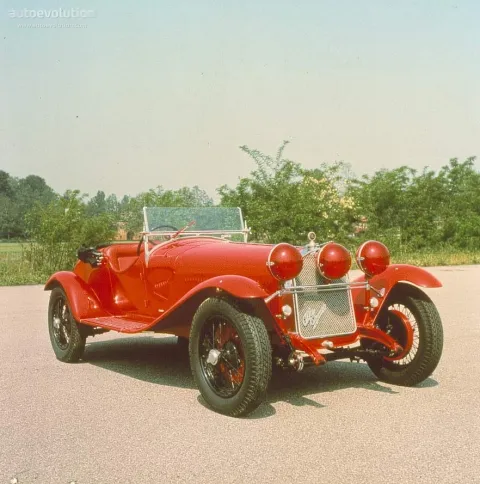
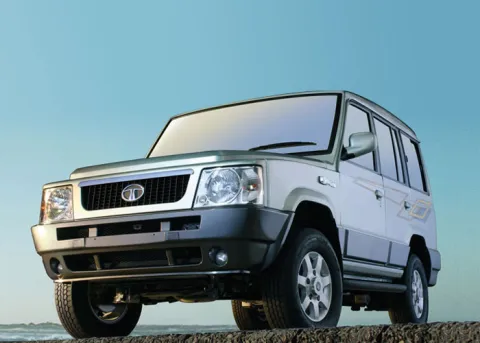
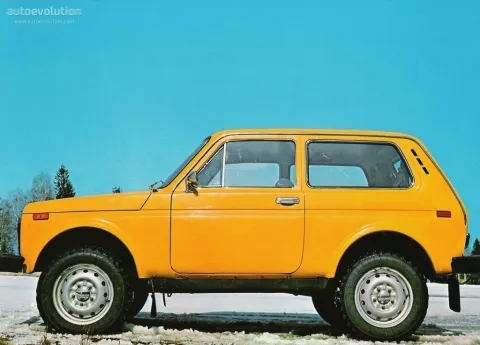
Fiat Maruti Suzuki Alfa Romeo Tata Motors Lada

About Proton Arena/Jumbuck

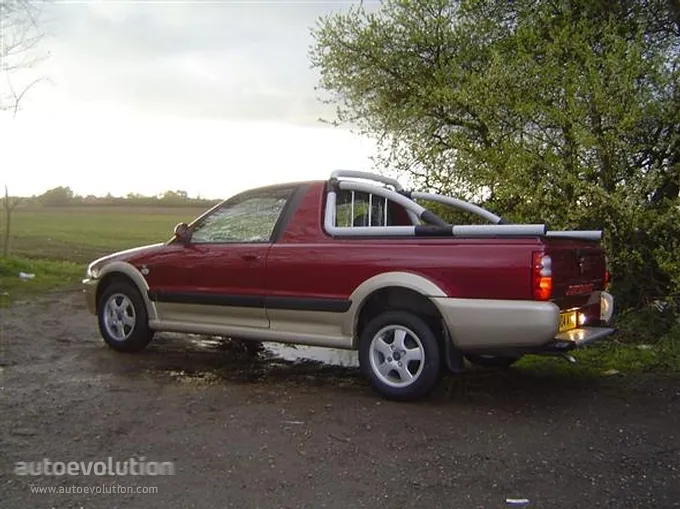
Inspired by other small-sized pick-up trucks on the market, Proton considered that it might be a good idea to make one of their own, and the success was surprising.

The Malaysian carmaker Proton was still working closely with Mitsubishi when it introduced the Arena in 2002. It had to rename it Jumbuck for several export markets due to copyright issues. Still, it was the same vehicle based on the same platform as the Proton Wira (Malaysian Mitsubishi Lancer of fourth-generation).

Proton's engineers and designers worked closely to develop the vehicle while trying to get a small final price on the market. The car's front end was similar to its sibling, the Wira, with slim horizontal headlights rounded and curved on the upper side. Its wrapped-around plastic bumper sported a grille on its lower side. The carmaker added plastic moldings on the car's flanks and a pair of fog-lights at the front, depending on the trim level. The cabin was suitable for two people, and the small bed in the back was large enough for a small contractor. But since it was a utility vehicle, it was lower-taxed.

Inside, the base version featured cranked windows and a curved, plastic dashboard. There was a center stack good for a set of vents and the stereo, which was offered as an option. Hence Proton's intention was to sell it as a leisure vehicle as well. It offered an option for air-conditioning and power windows.

Under the hood, Proton installed only the 1.5-liter Mitsubishi-sourced engine paired to a five-speed manual.

How much power does the Proton Arena/Jumbuck have?

The most powerful Proton Arena/Jumbuck trim is the 1.5 5 MT (85 HP) with 85 hp. The model has 1 trims, starting at 85 hp.

What is the fuel consumption of the Proton Arena/Jumbuck?

The most economical Proton Arena/Jumbuck trim is the 1.5 5 MT (85 HP), with a stated combined consumption of 7.1 l/100 km and 166 g CO2 per km.

Other Proton models

Proton Gen-2

2004 - 2013 · 3 trims

Power
111 hp
0–100
12.6 s
Fuel economy
6.8

Petrol

Proton Savvy

2005 - 2012 · 2 trims

Power
75 hp
0–100
13.9 s
Fuel economy
5.7

Petrol

Proton Inspira

2010 - present · 3 trims

Power
150 hp
0–100
10.0 s
Fuel economy
6.2

Petrol

Proton Preve

2011 - present · 3 trims

Power
140 hp
0–100
9.6 s
Fuel economy
6.6

Petrol