Skip to content
AD

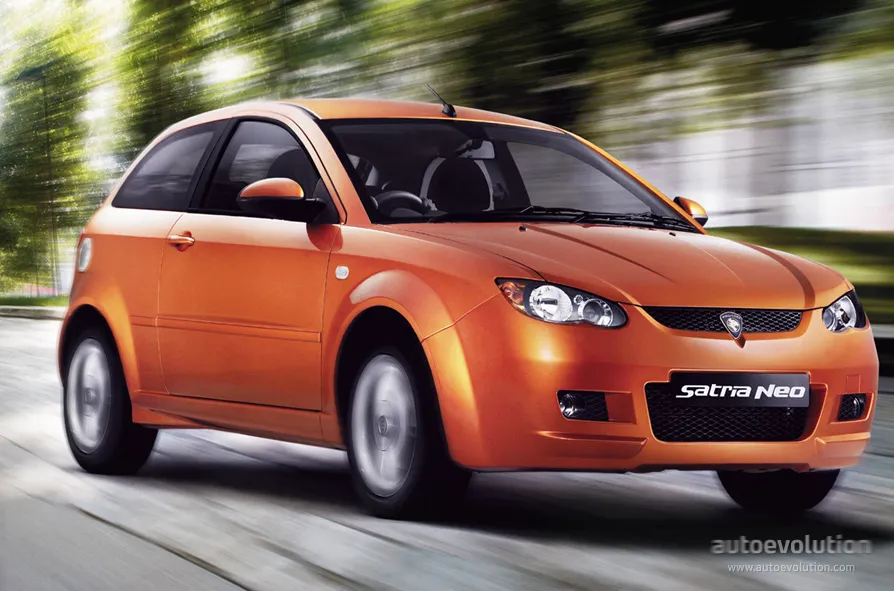
Proton Satria Neo (2006 - 2015)

Proton · 2 trims

Proton Satria Neo

The Proton Satria Neo (2006 - 2015) is available in 2 trims producing 111 to 111 hp. The fastest trim reaches 190 km/h. The lowest stated fuel consumption is 3.8 l/100 km.

Power
111 hp
0–100
11.3 s
Fuel economy
3.8 l/100 km
Cargo

Satria Neo Trims

Compare →
Trims and engine versions — Proton Satria Neo
Trim Fuel Power Torque 0–100 Top speed Fuel economy CO2 Select
1.3L 5MT (94 HP) Petrol 111 hp 148 Nm 11.3 s 180 km/h
1.6L 5TM (110 HP) Petrol 111 hp 148 Nm 11.5 s 190 km/h 3.8 l/100 km 145 g/km

Fuel economy and CO2 follow the stated test cycle. Manufacturer figures; deviations per market and option pack are possible.

Is Proton Satria Neo a good choice against other models?

Average across every Proton Satria Neo trim, compared with 7,853 trims of other cars from the 2003–2009 period.

Is Proton Satria Neo a good choice against other models?
Measure This model Average Position
Power 111 hp 185 hp
better than 23%
Torque 148 Nm 293 Nm
better than 11%
Top speed 185 km/h 207 km/h
better than 26%
Acceleration 0–100 km/h 11.4 s 9.7 s
better than 27%
Combined consumption 3.8 l/100 km 8.0 l/100 km
better than 99%
CO2 emissions 145 g/km 186 g/km
better than 76%
Unladen weight 1,153 kg 1,490 kg
better than 86%

Percentages show the share of trims from the same period this model beats on that measure. Manufacturer figures.

Not stated by the manufacturer: cargo volume. Those measures are left out of the comparison.

Comparable models from other brands

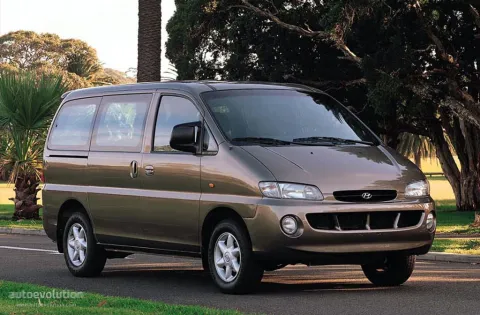
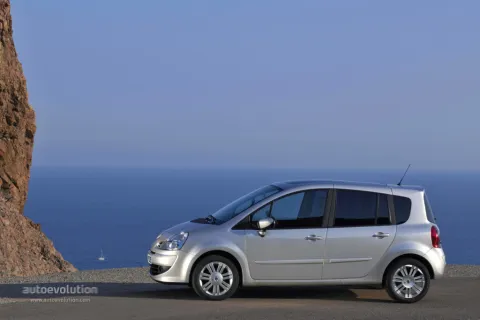
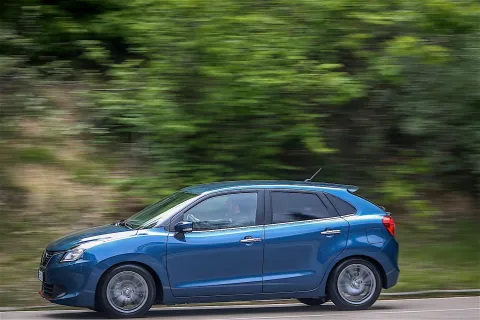
Hyundai Renault Suzuki Mitsubishi Opel Mercedes-Benz

About Proton Satria Neo

The Malaysian carmaker Proton introduced the second generation of its sporty hatchback Satria in 2006 and renamed-it as Satria Neo.

While the Satria' first generation was a re-badged Mitsubishi Colt, the Satria Neo was a completely different story. It was built on a new platform developed by Proton and since the Malaysian company owned the Lotus sports-car manufacturer, some involvement from the British side. The result was a spectacular vehicle in the supermini segment.

In 2006 there were a lot of supermini hatchbacks on the market, but Proton was not discouraged by that. The Satria Neo looked fresh with its rounded lines and the unique design for the headlights. Maybe the double-arched lower sides of the front lamps resembled the BMW 3-Series E46 facelift, but it looked different on Proton.

Inside, despite its length, it showed a surprisingly roomy interior for up to four passengers and was limited for five due to the narrow hip area. It featured a split-folding rear bench so the owner could extend the trunk. For the dashboard, the Proton designers made a binocular-style instrument cluster with two large dials for the speedometer and tachometer that incorporated the fuel level and coolant temperature gauges. A small LCD found its place at the bottom of the instrument panel for the odometer.

Under the hood, Proton offered the Satra Neo with a choice of two engines: a 1.3-liter and a 1.6-liter. The latter was developed with some help from Lotus. It wasn't a masterpiece with too much power, but it was just right for the car's destination as a city vehicle. The 1.6-liter version was available with a 4-speed automatic, while the standard transmission for both engines was a 5-speed manual.

How much power does the Proton Satria Neo have?

The most powerful Proton Satria Neo trim is the 1.3L 5MT (94 HP) with 111 hp. The model has 2 trims, starting at 111 hp.

What is the fuel consumption of the Proton Satria Neo?

The most economical Proton Satria Neo trim is the 1.6L 5TM (110 HP), with a stated combined consumption of 3.8 l/100 km and 145 g CO2 per km.

How quickly does the Proton Satria Neo accelerate from 0 to 100 km/h?

The quickest trim is the 1.3L 5MT (94 HP): 0-100 km/h in 11.3 seconds, with a top speed of 180 km/h.

Other Proton models

Proton Savvy

2005 - 2012 · 2 trims

Power
75 hp
0–100
13.9 s
Fuel economy
5.7

Petrol

Proton Gen-2

2004 - 2013 · 3 trims

Power
111 hp
0–100
12.6 s
Fuel economy
6.8

Petrol

Proton Inspira

2010 - present · 3 trims

Power
150 hp
0–100
10.0 s
Fuel economy
6.2

Petrol

Proton Preve

2011 - present · 3 trims

Power
140 hp
0–100
9.6 s
Fuel economy
6.6

Petrol