Skip to content
AD

Xpeng P7 (2021 - present)

Xpeng · 4 trims

Xpeng P7

The Xpeng P7 (2021 - present) is available in 4 trims producing 267 to 430 hp. The longest stated range is 670 km.

Power
430 hp
0–100
Fuel economy
Cargo
439 l

P7 Trims

Compare →
Trims and engine versions — Xpeng P7
Trim Fuel Power Torque 0–100 Top speed Fuel economy CO2 Select
Long Range 70.8 kWh RWD (267 Hp) Electric 267 hp 390 Nm
Standard Range 60.2 KWh RWD (267 HP) Electric 267 hp 390 Nm
Super Long Range 80 KWh RWD (267 HP) Electric 267 hp 390 Nm
High Performance 80 kWh 4WD (430 Hp) Electric 430 hp 655 Nm

Fuel economy and CO2 follow the stated test cycle. Manufacturer figures; deviations per market and option pack are possible.

Is Xpeng P7 a good choice against other models?

Average across every Xpeng P7 trim, compared with 3,609 trims of other cars from the 2018–2024 period.

Is Xpeng P7 a good choice against other models?
Measure This model Average Position
Power 308 hp 262 hp
better than 73%
Torque 456 Nm 406 Nm
better than 70%
Cargo volume 439 l 545 l
better than 39%
Unladen weight 1,951 kg 1,724 kg
better than 26%

Percentages show the share of trims from the same period this model beats on that measure. Manufacturer figures.

Not stated by the manufacturer: top speed, acceleration 0–100 km/h, combined consumption and co2 emissions. Those measures are left out of the comparison.

Comparable models from other brands

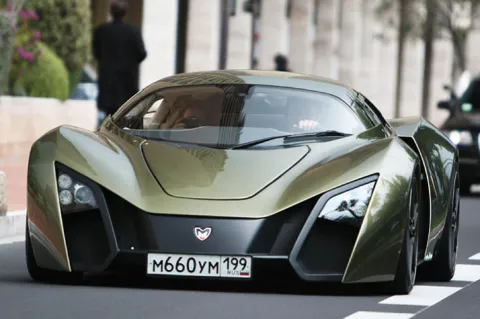
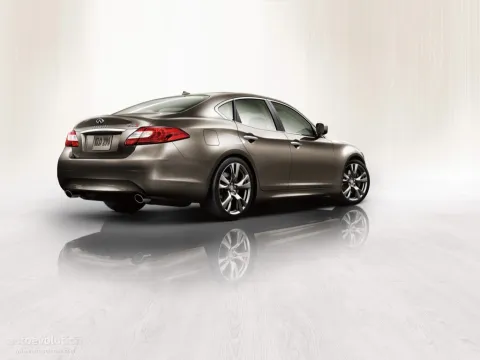
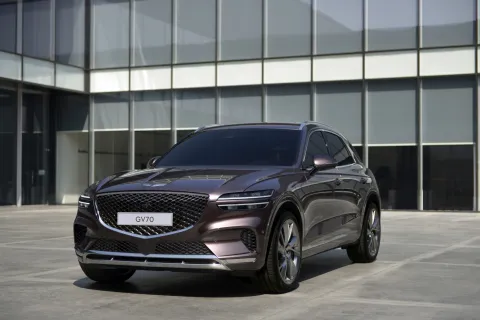
Panoz Ferrari Kia Marussia Infiniti Genesis

About Xpeng P7

XPeng launched its second model, the P7, in 2019, and it surprised everyone with its impressive range, even for the base model, and some additional quirky features.

Just four years have passed since the creation of this Chinese brand, and people were already talking a lot about it. Helped by tech giants such as Xiaomi and smart engineers with automotive backgrounds, XPeng managed to create unusual vehicles. So, after introducing the G3 EV crossover, which was already born with autonomous driving level 2, came the P7, which boasted luxurious features usually seen on much more expensive cars.

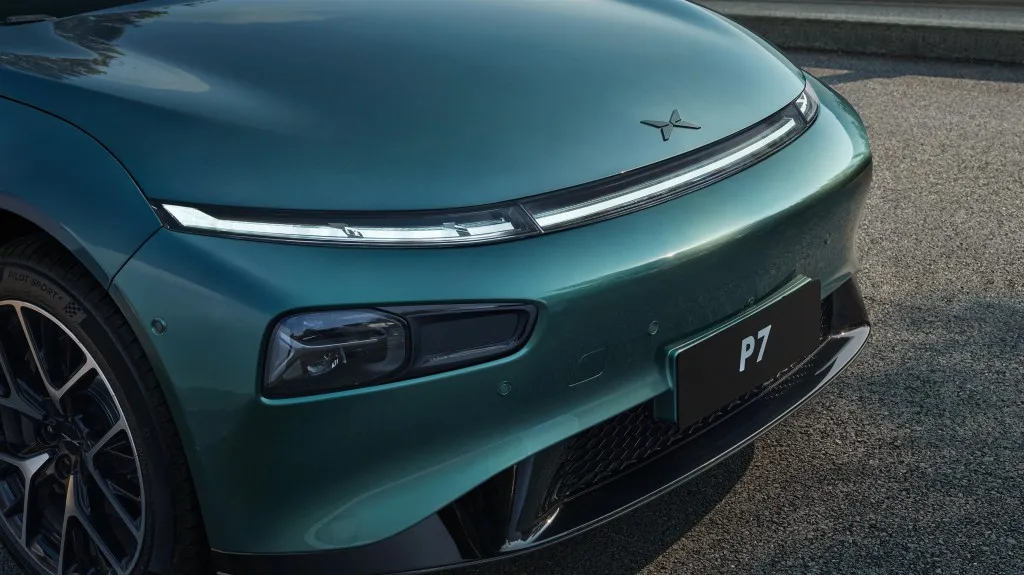
At the front, the vehicle sported a sharp look with an LED strip that crossed the car as a daytime running light. The actual headlights were mounted lower on the bumper, which also integrated the low-mounted grille. From its profile, the P7 showed its fluid, organic shape. There was not any straight line on any part of the vehicle. The cab-rearward design with a sloped-down rear windscreen suggested a hatchback. Yet, it was a three-box sedan. At the back, the taillights and the red LED strip that adorned the rear fascia mimicked the front of the vehicle.

Inside, the automaker tried its best to outrun its competition. At the front, a pair of high-bolstered seats provided comfort and were separated by a tall center console. On the dashboard, the automaker installed a 10.25” display in front of the driver for the instrument panel and a 15” touchscreen for the infotainment system placed atop the center stack. In addition, the Chinese automaker worked with Dynaudio to create a powerful sound experience.

XPeng offered the P7 with a choice of three drivetrains. The base version was RWD only and could travel up to 586 km (364 miles). By using the same motor but an 80.9 kWh battery pack, the Super-Long Range version provided a 706 km (439 miles) range. For those willing to trade range for power, the automaker offered a third version fitted with two motors and an all-wheel drive setup.

How much power does the Xpeng P7 have?

The most powerful Xpeng P7 trim is the High Performance 80 kWh 4WD (430 Hp) with 430 hp. The model has 4 trims, starting at 267 hp.

How large is the cargo volume of the Xpeng P7?

The largest stated cargo volume for the Xpeng P7 is 439 litres.

Other Xpeng models

Xpeng P5

2021 - present · 4 trims

Power
211 hp
0–100
7.5 s
Fuel economy

Electric

Xpeng G9

2022 - present · 3 trims

Power
551 hp
0–100
3.9 s
Fuel economy

Electric

Xpeng G3

2019 - present · 1 trim

Power
197 hp
0–100
8.2 s
Fuel economy

Electric

Xpeng G6

2024 - present · 2 trims

Power
480 hp
0–100
Fuel economy

Electric