Skip to content
AD

Aston Martin DB2 (1950 - 1953)

Aston Martin · 1 trim

Aston Martin DB2

The Aston Martin DB2 (1950 - 1953) is available in 1 trims producing 106 to 106 hp. The fastest trim reaches 177 km/h.

Power
106 hp
0–100
12.4 s
Fuel economy
Cargo

DB2 Trims

Compare →
Trims and engine versions — Aston Martin DB2
Trim Fuel Power Torque 0–100 Top speed Fuel economy CO2 Select
2.6L 4MT (106 HP) Petrol 106 hp 170 Nm 12.4 s 177 km/h

Fuel economy and CO2 follow the stated test cycle. Manufacturer figures; deviations per market and option pack are possible.

Is Aston Martin DB2 a good choice against other models?

Average across every Aston Martin DB2 trim, compared with 80 trims of other cars from the 1947–1953 period.

Is Aston Martin DB2 a good choice against other models?
Measure This model Average Position
Power 106 hp 99 hp
better than 51%
Torque 170 Nm 166 Nm
better than 67%
Top speed 177 km/h 151 km/h
better than 74%
Acceleration 0–100 km/h 12.4 s 20.3 s
better than 77%
Unladen weight 1,207 kg 1,250 kg
better than 49%

Percentages show the share of trims from the same period this model beats on that measure. Manufacturer figures.

Not stated by the manufacturer: combined consumption, co2 emissions and cargo volume. Those measures are left out of the comparison.

Comparable models from other brands

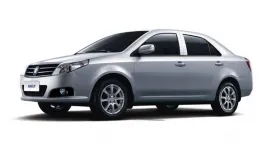
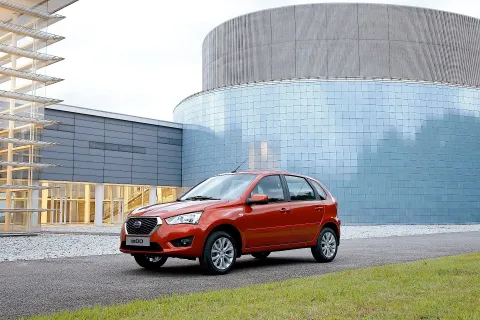
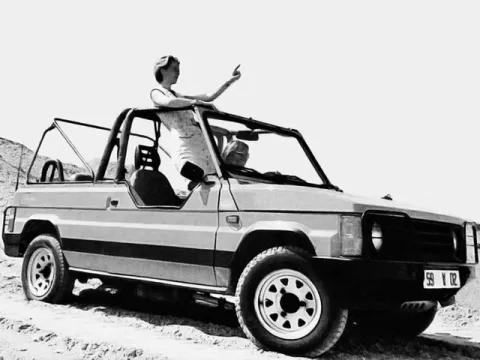
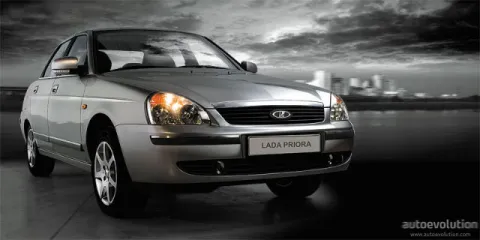
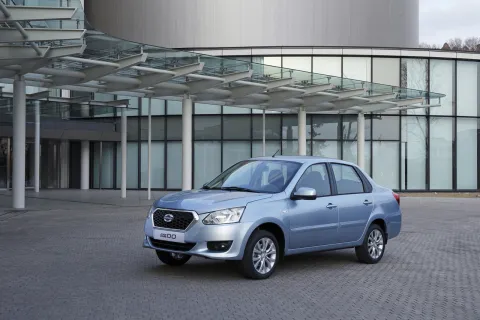
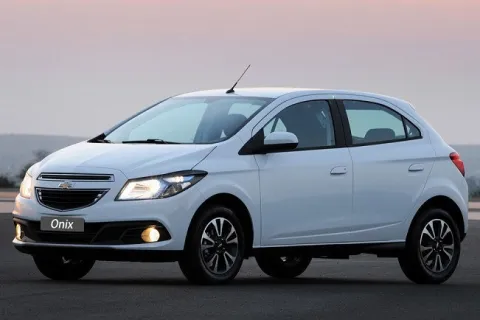
Geely Datsun ARO Lada Chevrolet

About Aston Martin DB2

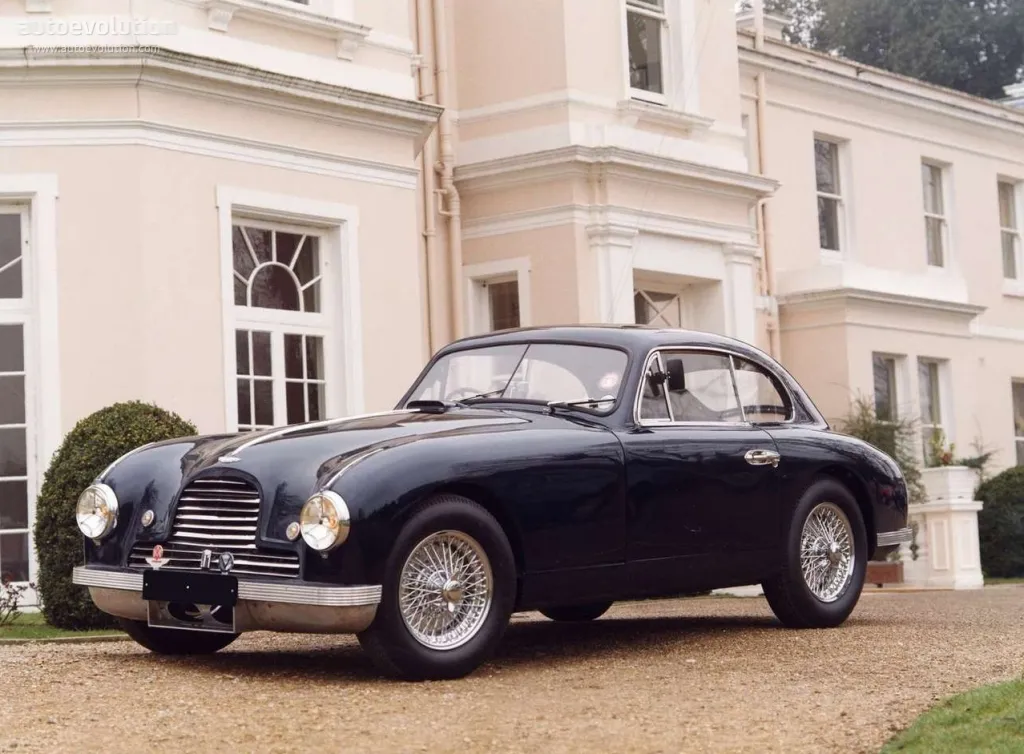
The Aston Martin DB2 was, actually, the first DB model. Its predecessor was named 2-Liter Sports. In 1950, after the acquisition of the Lagonda sports car maker, the new coupe received the official name DB2.

The post-war Aston Martin company grew due to the influence of David Brown, who bought the brand in 1947. In the same year, he bought the older brand Lagonda, which was established in 1906 and had a better experience in building engines. By combining the two car-manufacturers, the first result was the DB2.

The front side featured an early version of what would become the Aston Martin signature grille. The bodywork was designed in the '40s so the styling was very different than what was about to follow in just a few years. The greenhouse had a steep, arched, slope in the rear. On the sides, behind the front wheels, there was a radiator that went out, exposed, from the front fenders. The DB2 was offered as a coupe or a convertible, named drophead coupe.

Even if the car was also offered as a Vantage model, which was the name for race-ready vehicles, the interior was completely upholstered with leather seats, door panels and floor carpeting. The instrument panel was made out of wood and installed on the leather-covered dashboard. Since the car was a two-seater, there were glove-compartments for both the driver and the co-driver.

Under the hood there was an inline-six engine with twin-cam (double overhead camshafts) and a 2.6-liter displacement. The low, 8.16:1 compression ratio was according to the fuel quality of the era. But still, the car offered enough performances. In 1950, the Aston Martin DB2 took the 1st and 2nd place at the LeMans race.

How much power does the Aston Martin DB2 have?

The most powerful Aston Martin DB2 trim is the 2.6L 4MT (106 HP) with 106 hp. The model has 1 trims, starting at 106 hp.

How quickly does the Aston Martin DB2 accelerate from 0 to 100 km/h?

The quickest trim is the 2.6L 4MT (106 HP): 0-100 km/h in 12.4 seconds, with a top speed of 177 km/h.

Other Aston Martin models

Aston Martin DB5

1963 - 1965 · 1 trim

Power
286 hp
0–100
8.6 s
Fuel economy

Petrol