Skip to content
AD

Fiat Ritmo (1978 - 1982)

Fiat · 3 trims

Fiat Ritmo

The Fiat Ritmo (1978 - 1982) is available in 3 trims producing 61 to 76 hp. The fastest trim reaches 159 km/h. The lowest stated fuel consumption is 8.6 l/100 km.

Power
76 hp
0–100
15.3 s
Fuel economy
8.6 l/100 km
Cargo
368 l

Ritmo Trims

Compare →
Trims and engine versions — Fiat Ritmo
Trim Fuel Power Torque 0–100 Top speed Fuel economy CO2 Select
1.1 Petrol 61 hp 81 Nm 17.1 s 145 km/h 8.7 l/100 km 207 g/km
1.3 Petrol 66 hp 98 Nm 15.3 s 150 km/h 9.0 l/100 km 214 g/km
1.5 Petrol 76 hp 118 Nm 159 km/h 8.6 l/100 km 205 g/km

Fuel economy and CO2 follow the stated test cycle. Manufacturer figures; deviations per market and option pack are possible.

Is Fiat Ritmo a good choice against other models?

Average across every Fiat Ritmo trim, compared with 546 trims of other cars from the 1975–1981 period.

Is Fiat Ritmo a good choice against other models?
Measure This model Average Position
Power 68 hp 126 hp
better than 14%
Torque 99 Nm 191 Nm
better than 9%
Top speed 151 km/h 178 km/h
better than 20%
Acceleration 0–100 km/h 16.2 s 12.6 s
better than 17%
Combined consumption 8.8 l/100 km 10.1 l/100 km
better than 67%
CO2 emissions 209 g/km 228 g/km
better than 62%
Cargo volume 368 l 431 l
better than 32%
Unladen weight 844 kg 1,260 kg
better than 91%

Percentages show the share of trims from the same period this model beats on that measure. Manufacturer figures.

Comparable models from other brands

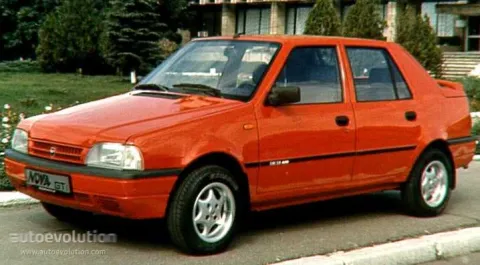
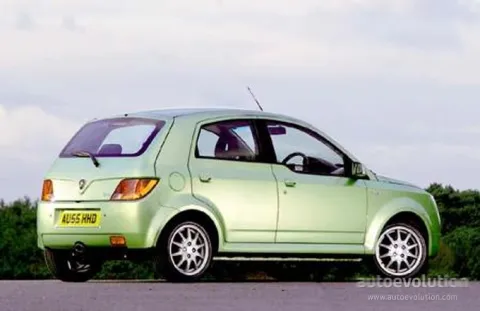
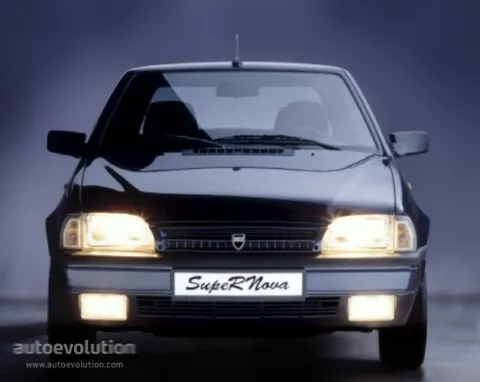
Renault Smart Dacia Proton

About Fiat Ritmo

Fiat revolutionized its carmaking procedures, and the Ritmo was its first product that was welded and assembled by robots, raising the quality standards and lowering the production costs.

The Italian carmaker needed a compact hatchback to fight against the all-conquering Volkswagen Golf, and it made most of the right moves from design to the final product. It didn't make it quite well on the engine department and on the quality check system.

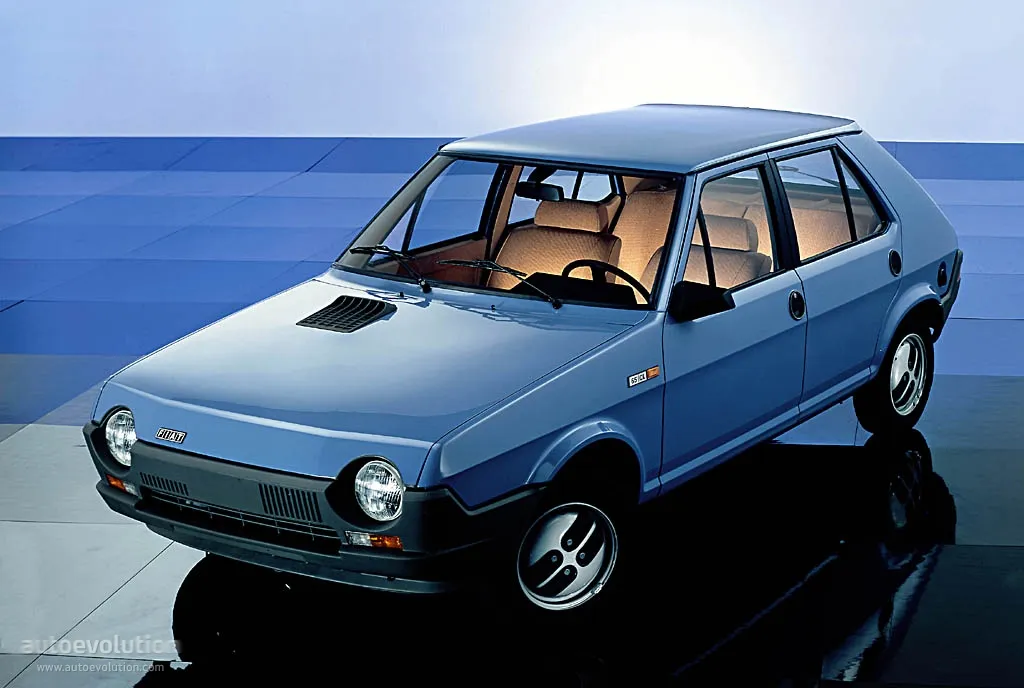
Fiat relied on its own design center (Centro Stile Fiat), while for the convertible, it worked with Bertone Studio. At the front, the car featured a pair of round headlights surrounded by the wrapped-around plastic bumper on the lower side, and by the hood on the upper side. The Ritmo was available as a hatchback with three and five doors. From its sides, the round, flush to bodywork, black door handles were unique on the market. At the back, the designers made a tiny up-kick on the roof's rear side, enhancing the airflow. The Ritmo sported a 0.3 Aerodynamic coefficient, one of the lowest in the automotive industry from those times.

Inside, the carmaker created a very roomy interior and seating for five adults. Yet, the one in the middle of the rear bench should have been smaller. Fiat introduced a new shape for the dashboard with a sloped upper area and a squared instrument cluster that provided a digital clock on one side. In the instrument panel, the carmaker included two large dials for the speedometer and tachometer. The fuel level was vertically arranged at the bottom, and the coolant temperature gauge on top between them. To expand the trunk, Fiat installed a one-piece folding seatback.

Under the hood, Fiat offered a choice of engines ranged between 1.1-liter and1.5-liter gasoline. Later on, it added the more powerful 1.6-liter 105 hp and the 125 hp Abarth versions. A diesel unit was introduced in 1980.

How much power does the Fiat Ritmo have?

The most powerful Fiat Ritmo trim is the 1.5 with 76 hp. The model has 3 trims, starting at 61 hp.

What is the fuel consumption of the Fiat Ritmo?

The most economical Fiat Ritmo trim is the 1.5, with a stated combined consumption of 8.6 l/100 km and 205 g CO2 per km.

How quickly does the Fiat Ritmo accelerate from 0 to 100 km/h?

The quickest trim is the 1.3: 0-100 km/h in 15.3 seconds, with a top speed of 150 km/h.

How large is the cargo volume of the Fiat Ritmo?

The largest stated cargo volume for the Fiat Ritmo is 368 litres.

Other Fiat models

Fiat Mille

1983 - 2013 · 1 trim

Power
65 hp
0–100
15.1 s
Fuel economy

Petrol

Fiat 132

1972 - 1981 · 11 trims

Power
115 hp
0–100
10.3 s
Fuel economy
7.6

Petrol Diesel

Fiat 126

1972 - 2000 · 3 trims

Power
26 hp
0–100
33.0 s
Fuel economy
5.2

Petrol

Fiat X1/9

1972 - 1989 · 2 trims

Power
86 hp
0–100
12.5 s
Fuel economy
8.1

Petrol