Skip to content
AD

Jaguar XJR15 (1990 - 1992)

Jaguar · 1 trim

Jaguar XJR15

The Jaguar XJR15 (1990 - 1992) is available in 1 trims producing 450 to 450 hp. The fastest trim reaches 298 km/h.

Power
450 hp
0–100
3.3 s
Fuel economy
Cargo

XJR15 Trims

Compare →
Trims and engine versions — Jaguar XJR15
Trim Fuel Power Torque 0–100 Top speed Fuel economy CO2 Select
6.0L V12 6MT RWD (450 HP) Petrol 450 hp 570 Nm 3.3 s 298 km/h

Fuel economy and CO2 follow the stated test cycle. Manufacturer figures; deviations per market and option pack are possible.

Is Jaguar XJR15 a good choice against other models?

Average across every Jaguar XJR15 trim, compared with 1,751 trims of other cars from the 1987–1993 period.

Is Jaguar XJR15 a good choice against other models?
Measure This model Average Position
Power 450 hp 132 hp
better than 99%
Torque 570 Nm 198 Nm
better than 99%
Top speed 298 km/h 189 km/h
better than 99%
Acceleration 0–100 km/h 3.3 s 11.8 s
better than 100%
Unladen weight 1,050 kg 1,254 kg
better than 69%

Percentages show the share of trims from the same period this model beats on that measure. Manufacturer figures.

Not stated by the manufacturer: combined consumption, co2 emissions and cargo volume. Those measures are left out of the comparison.

Comparable models from other brands

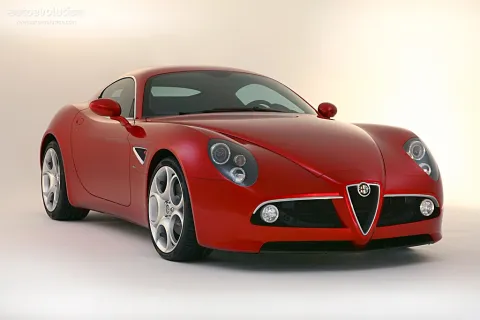
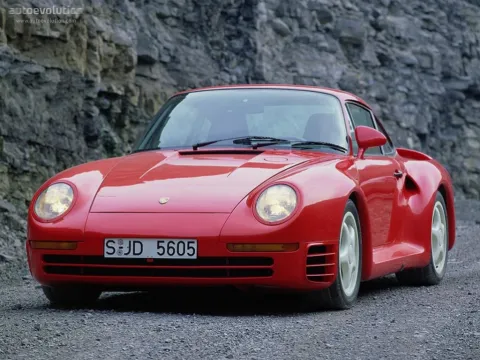
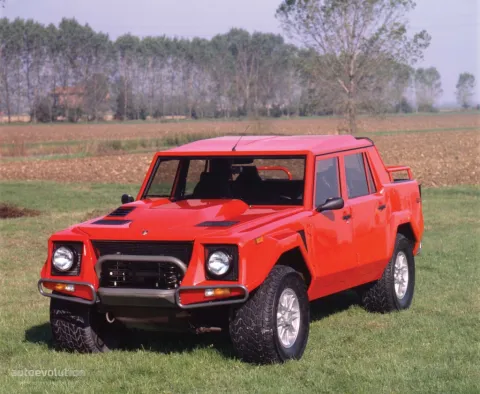
Alfa Romeo Porsche Lamborghini Mercedes-AMG Zender

About Jaguar XJR15

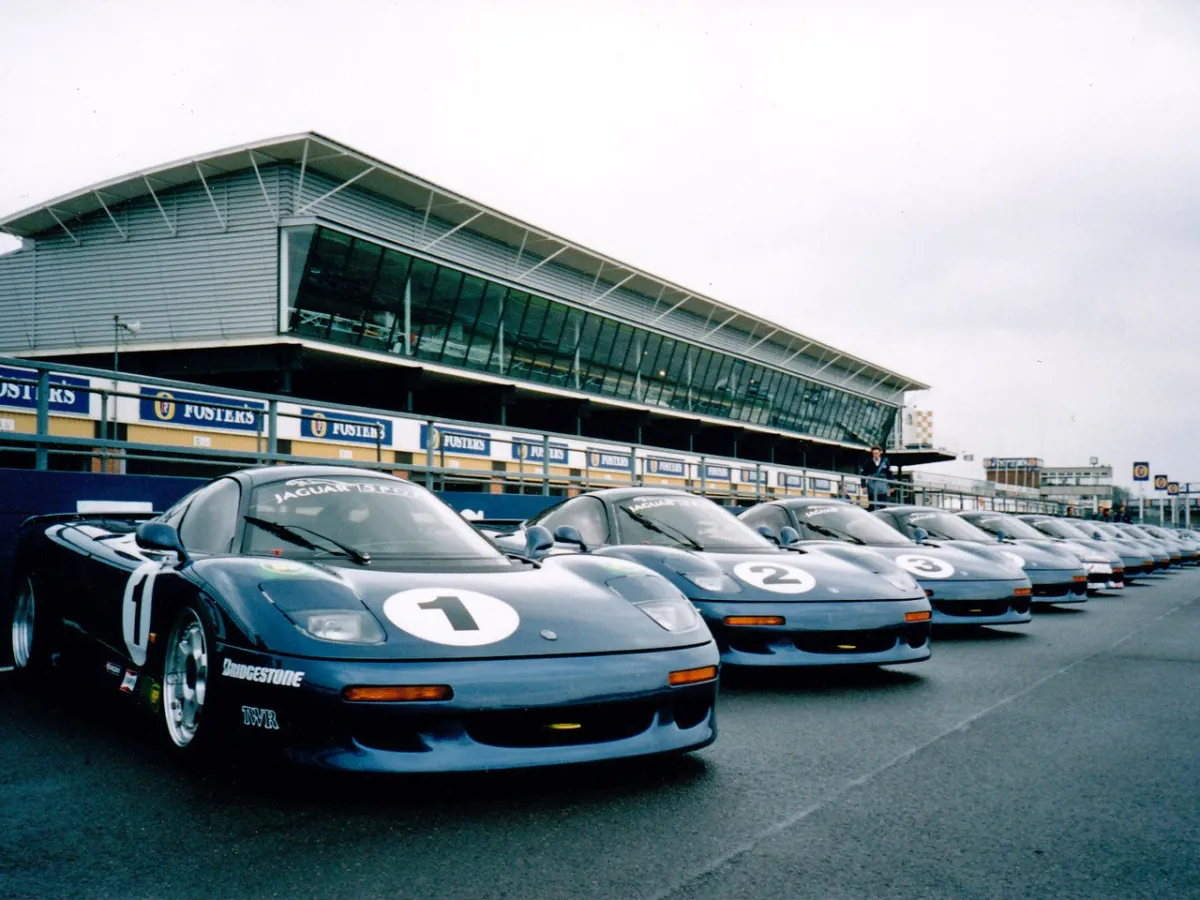
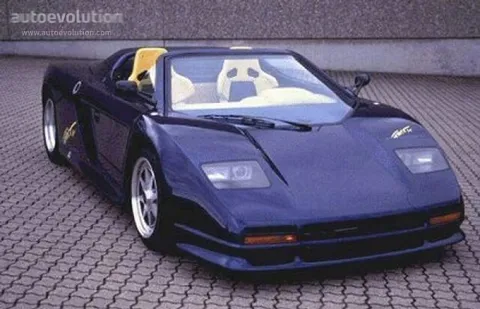
The XJR-15 was a Jaguar like no other road-car ever made by Jaguar. It was closer to the LeMans winning XJR-9 model, which took the crown at the famous endurance race in 1990 and in 1992.

The car was not designed by Jaguar. It was the creation of Peter Stevens, the man who designed the McLaren F1 later in his career. The XJR-15 featured a mid-engine architecture and no soundproofing at all. That helped the car achieve a very low overall weight of under 1100 kg (2336 lbs). The car was created by Tom Walkinshaw Racing. They said that they started with the racing vehicle, made the cabin wider and taller to accommodate two adult-sized passengers. Only 53 units were made.

The flatform with a bulb-like greenhouse on top was typical for a race-car from its era. There were two versions made: one for the road and one for racing. The road-going version, which was able to be registered, featured the turn signals and wider rear-view mirrors.

Inside, the cockpit featured two race-bucket seats and a dashboard filled with race-type switches and more gauges for speed, temperature, oil pressure, tachometer, etc. It didn't feature any radio, but it did have an intercom system with two headphones for the occupants.

The engine was a 6.0-liter Jaguar V12 unit, jointly manufactured by JaguarSport, a company jointly created by TWR and Jaguar. The British brand was never actually involved in the production. At least, not officially.

How much power does the Jaguar XJR15 have?

The most powerful Jaguar XJR15 trim is the 6.0L V12 6MT RWD (450 HP) with 450 hp. The model has 1 trims, starting at 450 hp.

How quickly does the Jaguar XJR15 accelerate from 0 to 100 km/h?

The quickest trim is the 6.0L V12 6MT RWD (450 HP): 0-100 km/h in 3.3 seconds, with a top speed of 298 km/h.

Other Jaguar models

Jaguar XJ220

1992 - 1994 · 1 trim

Power
542 hp
0–100
3.6 s
Fuel economy

Petrol

Jaguar E-Pace

2017 - present · 9 trims

Power
300 hp
0–100
6.4 s
Fuel economy
4.7

Petrol Diesel

Jaguar XJR575

2017 - present · 1 trim

Power
575 hp
0–100
4.4 s
Fuel economy
11.1

Jaguar I-PACE

2018 - present · 1 trim

Power
394 hp
0–100
4.6 s
Fuel economy

Electric