Skip to content
AD

Jaguar XJ220 (1992 - 1994)

Jaguar · 1 trim

Jaguar XJ220

The Jaguar XJ220 (1992 - 1994) is available in 1 trims producing 542 to 542 hp. The fastest trim reaches 349 km/h.

Power
542 hp
0–100
3.6 s
Fuel economy
Cargo

XJ220 Trims

Compare →
Trims and engine versions — Jaguar XJ220
Trim Fuel Power Torque 0–100 Top speed Fuel economy CO2 Select
3.5L V6 Turbo 5MT (542 HP) Petrol 542 hp 640 Nm 3.6 s 349 km/h

Fuel economy and CO2 follow the stated test cycle. Manufacturer figures; deviations per market and option pack are possible.

Is Jaguar XJ220 a good choice against other models?

Average across every Jaguar XJ220 trim, compared with 2,320 trims of other cars from the 1989–1995 period.

Is Jaguar XJ220 a good choice against other models?
Measure This model Average Position
Power 542 hp 138 hp
better than 100%
Torque 640 Nm 208 Nm
better than 100%
Top speed 349 km/h 193 km/h
better than 100%
Acceleration 0–100 km/h 3.6 s 11.6 s
better than 100%
Unladen weight 1,560 kg 1,301 kg
better than 17%

Percentages show the share of trims from the same period this model beats on that measure. Manufacturer figures.

Not stated by the manufacturer: combined consumption, co2 emissions and cargo volume. Those measures are left out of the comparison.

Comparable models from other brands

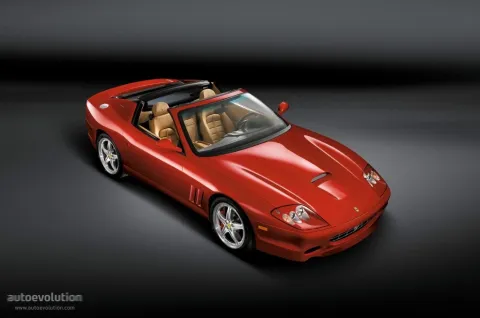
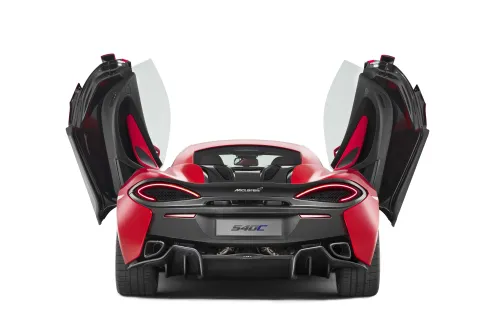
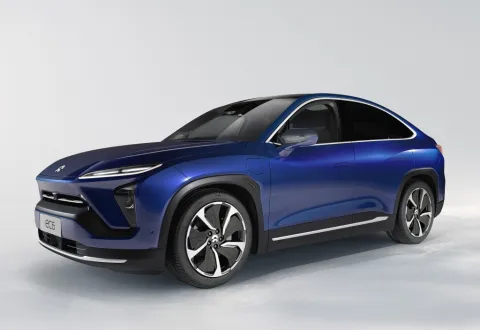
Ferrari NIO Mercedes-Benz Mclaren

About Jaguar XJ220

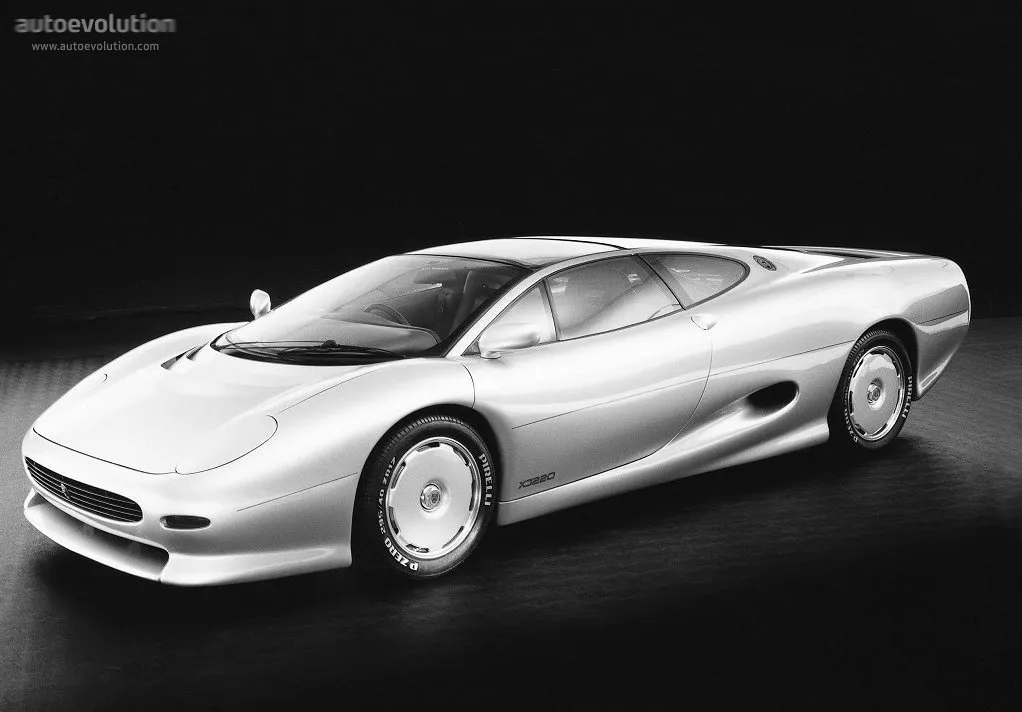
Jaguar designed the XJ220 to be the fastest car in the world with a top speed of 220 mph (354 kph), and it got there, but the production model was far from the original project.

When the British carmaker unveiled the XJ220 at the 1988 Birmingham Motor Show, the public was stunned. The car was designed and assembled by a group of employees who worked overtime to develop and the V-12 all-wheel-drive monster. But the company's management found another use for their work by introducing a production model based on the prototype: the XJ220.

Keith Helfet penned the car and made it as aerodynamic as possible but still respecting the homologation rules. At the front, he installed covered headlights and an oval-shaped grille on the bumper. A spoiler with an integrated splitter in the apron contributed to the car's aerodynamic downforce. From its sides, the XJ220 featured a waved shape and a long and low-profiled greenhouse. Under the rear windscreen, Jaguar left the engine compartment in plain sight, while at the back, the rear fenders sported the air-intakes on the lower sides. A retractable wing mounted above the rear panel completed the supercar image.

Inside, the carmaker installed two sport bucket seats with high bolstered areas to support their occupants. As an option, it offered a glass roof, so there was more light inside. The dashboard formed a cocoon together with the tall center console around the driver. Since it was more expensive than any Rolls-Royce on the market, the carmaker added expensive materials and hand-crafted the interior.

Unlike the concept car, the production model featured a twin-turbocharged V-6 engine designed by Rover for its Group-B Rally race car. Power went to the rear wheels only via a five-speed manual gearbox. And, as the former F1 racer and test-driver Martin Brundle remembered, the car's top speed was 217.1 mph (349.38 kph), and that record stood until 1993 when McLaren smashed it with 240.1 mph (386.4 kph).

How much power does the Jaguar XJ220 have?

The most powerful Jaguar XJ220 trim is the 3.5L V6 Turbo 5MT (542 HP) with 542 hp. The model has 1 trims, starting at 542 hp.

How quickly does the Jaguar XJ220 accelerate from 0 to 100 km/h?

The quickest trim is the 3.5L V6 Turbo 5MT (542 HP): 0-100 km/h in 3.6 seconds, with a top speed of 349 km/h.

Other Jaguar models

Jaguar XJR15

1990 - 1992 · 1 trim

Power
450 hp
0–100
3.3 s
Fuel economy

Petrol

Jaguar E-Pace

2017 - present · 9 trims

Power
300 hp
0–100
6.4 s
Fuel economy
4.7

Petrol Diesel

Jaguar XJR575

2017 - present · 1 trim

Power
575 hp
0–100
4.4 s
Fuel economy
11.1

Jaguar I-PACE

2018 - present · 1 trim

Power
394 hp
0–100
4.6 s
Fuel economy

Electric