Skip to content
AD

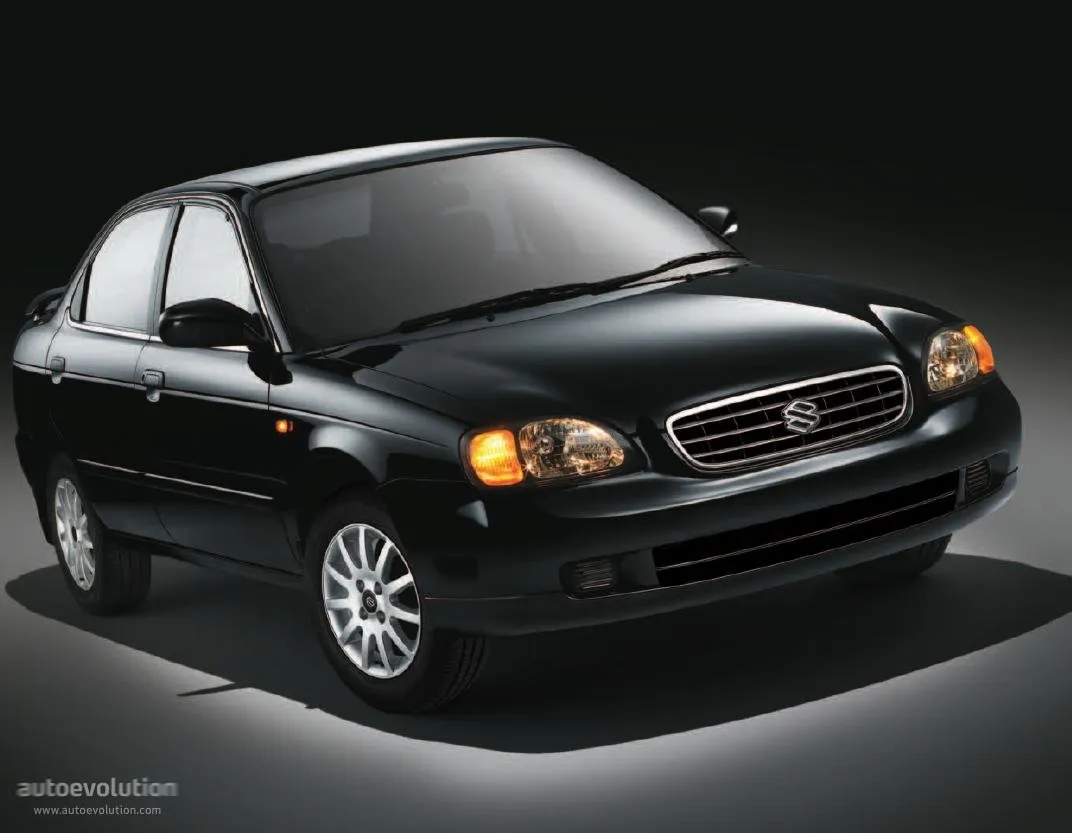
Maruti Suzuki Baleno (2000 - 2007)

Maruti Suzuki · 1 trim

Maruti Suzuki Baleno

The Maruti Suzuki Baleno (2000 - 2007) is available in 1 trims producing 91 to 91 hp. The fastest trim reaches 175 km/h. The lowest stated fuel consumption is 7.9 l/100 km.

Power
91 hp
0–100
10.3 s
Fuel economy
7.9 l/100 km
Cargo
345 l

Baleno Trims

Compare →
Trims and engine versions — Maruti Suzuki Baleno
Trim Fuel Power Torque 0–100 Top speed Fuel economy CO2 Select
1.6L 5MT (90 HP) Petrol 91 hp 132 Nm 10.3 s 175 km/h 7.9 l/100 km 174 g/km

Fuel economy and CO2 follow the stated test cycle. Manufacturer figures; deviations per market and option pack are possible.

Is Maruti Suzuki Baleno a good choice against other models?

Average across every Maruti Suzuki Baleno trim, compared with 4,683 trims of other cars from the 1997–2003 period.

Is Maruti Suzuki Baleno a good choice against other models?
Measure This model Average Position
Power 91 hp 157 hp
better than 18%
Torque 132 Nm 245 Nm
better than 12%
Top speed 175 km/h 200 km/h
better than 20%
Acceleration 0–100 km/h 10.3 s 10.7 s
better than 53%
Combined consumption 7.9 l/100 km 8.4 l/100 km
better than 50%
CO2 emissions 174 g/km 202 g/km
better than 64%
Cargo volume 345 l 503 l
better than 27%
Unladen weight 976 kg 1,394 kg
better than 93%

Percentages show the share of trims from the same period this model beats on that measure. Manufacturer figures.

Comparable models from other brands

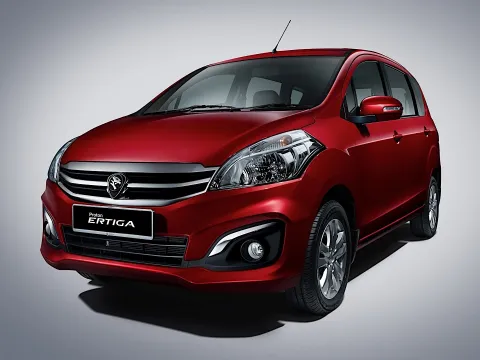
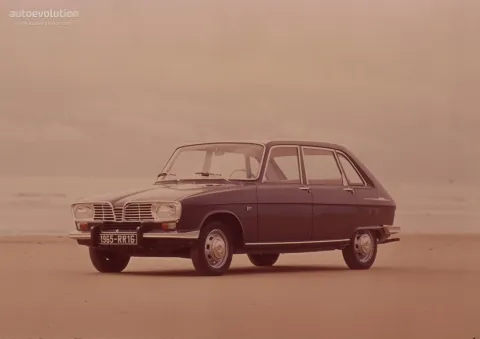
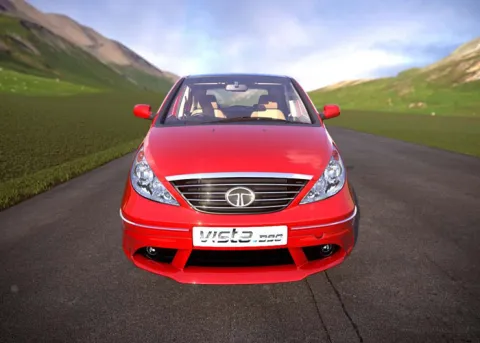
Proton Renault Tata Motors Porsche Toyota

About Maruti Suzuki Baleno

Known under different names, the Maruti Suzuki Baleno was built in India for the local market, while the same vehicle was known as Suzuki Esteem for North American customers.

While Suzuki was already known for its small offroad vehicles sold globally under different badges and nameplates, the Maruti Suzuki Baleno was less famous. It was built for the Indian market to be an affordable lineup in three body shapes: sedan, hatchback and station wagon. Maruti Suzuki made the three-box version with four doors for most families. It was introduced in 1995 and, in 1998, it went through a facelift which was applied for the Indian version from 2000.

Suzuki designers tried to make the car looks as good as possible for its price range. There was a new, three-slats black grille surrounded by a chromed rim, with soft edges and the S-badge in the middle at the front. Unlike the non-facelifted version, it featured rounded headlights on the outer side and angled-down, sharper, on the inbound. Its corner-mounted turn-signals were joined by a second set of lamps on the front fenders. Depending on the trim level, the car sported 13” steel wheels or 14” alloys. The full-option version received a trunk-spoiler.

Inside, the only color available was light-gray, with a silver plastic trim on the center stack and black door-handles. Its rounded dashboard featured an open storage space in front of the side-passenger and a glove-box. For the driver, Suzuki installed an instrument panel with white dials and a new three-spoke steering wheel.

The Esteem was available with a 1.8-liter engine for the North-American and Australian markets, while the Maruti Suzuki Baleno received only a 1.6-liter unit paired to a five-speed manual gearbox.

How much power does the Maruti Suzuki Baleno have?

The most powerful Maruti Suzuki Baleno trim is the 1.6L 5MT (90 HP) with 91 hp. The model has 1 trims, starting at 91 hp.

What is the fuel consumption of the Maruti Suzuki Baleno?

The most economical Maruti Suzuki Baleno trim is the 1.6L 5MT (90 HP), with a stated combined consumption of 7.9 l/100 km and 174 g CO2 per km.

How quickly does the Maruti Suzuki Baleno accelerate from 0 to 100 km/h?

The quickest trim is the 1.6L 5MT (90 HP): 0-100 km/h in 10.3 seconds, with a top speed of 175 km/h.

How large is the cargo volume of the Maruti Suzuki Baleno?

The largest stated cargo volume for the Maruti Suzuki Baleno is 345 litres.

Other Maruti Suzuki models

Maruti Suzuki 800

2000 - present · 1 trim

Power
50 hp
0–100
22.3 s
Fuel economy
6.2

Petrol