Skip to content
AD

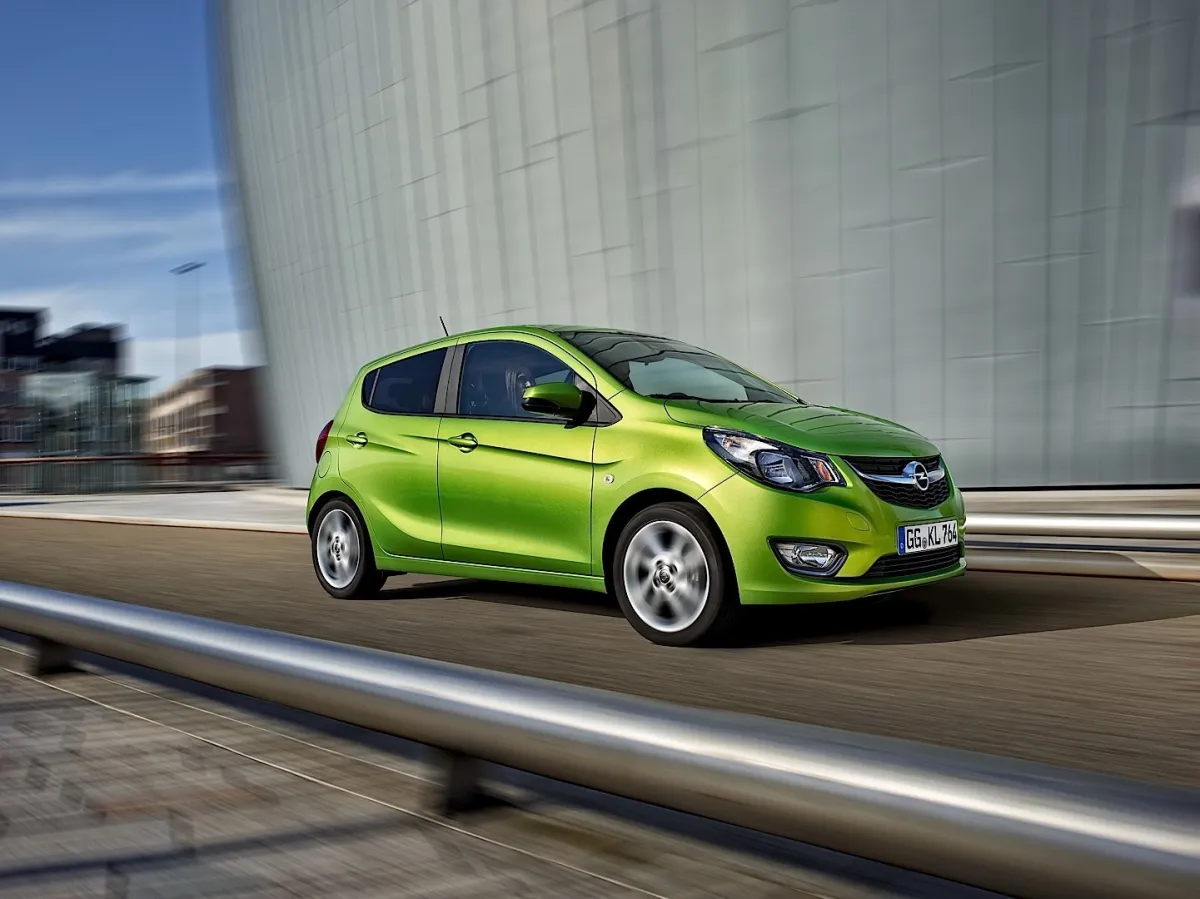
Opel Karl (2015 - 2019)

Opel · 1 trim

Opel Karl

The Opel Karl (2015 - 2019) is available in 1 trims producing 75 to 75 hp. The fastest trim reaches 171 km/h. The lowest stated fuel consumption is 4.5 l/100 km.

Power
75 hp
0–100
13.9 s
Fuel economy
4.5 l/100 km
Cargo
207 l

Karl Trims

Compare →
Trims and engine versions — Opel Karl
Trim Fuel Power Torque 0–100 Top speed Fuel economy CO2 Select
1.0L Ecotec 5MT (75 HP) Petrol 75 hp 96 Nm 13.9 s 171 km/h 4.5 l/100 km 104 g/km

Fuel economy and CO2 follow the stated test cycle. Manufacturer figures; deviations per market and option pack are possible.

Is Opel Karl a good choice against other models?

Average across every Opel Karl trim, compared with 7,781 trims of other cars from the 2012–2018 period.

Is Opel Karl a good choice against other models?
Measure This model Average Position
Power 75 hp 215 hp
better than 2%
Torque 96 Nm 345 Nm
better than 2%
Top speed 171 km/h 215 km/h
better than 6%
Acceleration 0–100 km/h 13.9 s 8.7 s
better than 4%
Combined consumption 4.5 l/100 km 6.6 l/100 km
better than 78%
CO2 emissions 104 g/km 145 g/km
better than 88%
Cargo volume 207 l 478 l
better than 5%
Unladen weight 939 kg 1,580 kg
better than 98%

Percentages show the share of trims from the same period this model beats on that measure. Manufacturer figures.

Comparable models from other brands

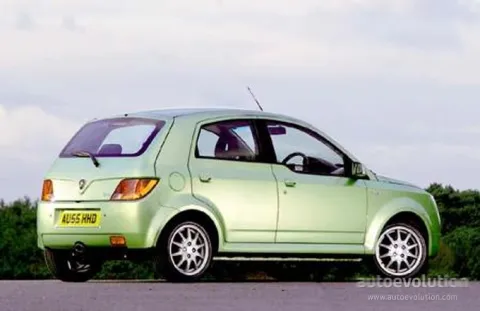
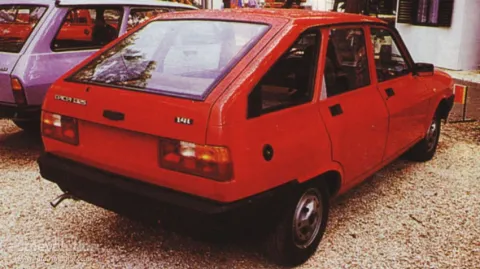
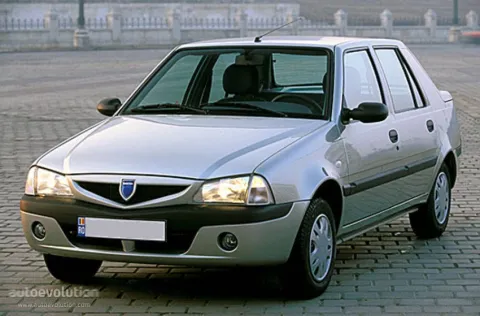
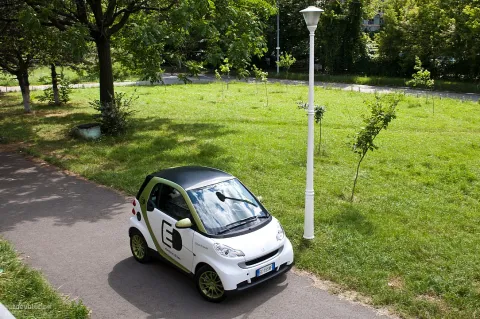
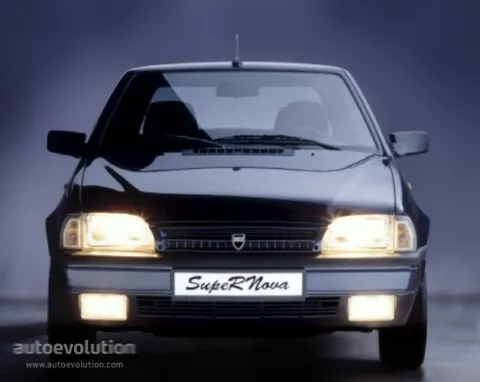
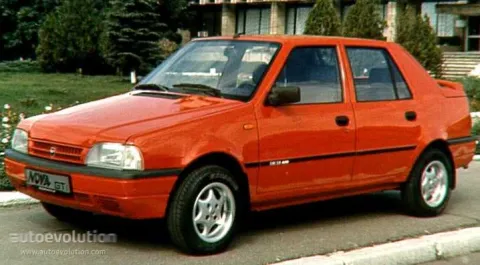
Proton Dacia Smart

About Opel Karl

After Opel Agila was withdrawn from the market, the German car-maker needed a vehicle to compete in the super-mini and affordable vehicles. And the answer was the Karl in 2015.

When the Daewoo brand filed for bankruptcy, it was acquired by GM, its platforms were included in the package. The Korean brand already had some projects in advanced stages or ready for production. GM took advantage of that and it started to build those models as Chevrolet vehicles. After the world economic crisis happened, the bow-tie brand was withdrawn from Europe and Opel remained their only option. One specific model was the Chevrolet Spark and that was rebranded as Opel Karl.

The short and tall vehicle was built to compete in the supermini segment against likes of Citroen C1 or Volkswagen up! With its big, Corsa-style, headlights, short hood, and tall greenhouse, the Karl was able to fit five adults inside and carry them around town. It also featured economical engines, fit for crowded cities.

Inside, the Karl was offered a driver-oriented dashboard and it could feature an infotainment unit fitted with the Opel InteliLink system that allowed connectivity with Apple CarPlay and Android Auto. The instrument cluster showed two large dials carried over from the Corsa. The steering wheel was taken from the same model as well.

For the powertrain, the Karl offered only one option: a three-cylinder 1.0-liter engine mated to a 5-speed manual. For the suspension, the front was based on McPherson struts and a twisting beam in the rear. After all, it was an affordable car, under Euro 10.000.

How much power does the Opel Karl have?

The most powerful Opel Karl trim is the 1.0L Ecotec 5MT (75 HP) with 75 hp. The model has 1 trims, starting at 75 hp.

What is the fuel consumption of the Opel Karl?

The most economical Opel Karl trim is the 1.0L Ecotec 5MT (75 HP), with a stated combined consumption of 4.5 l/100 km and 104 g CO2 per km.

How quickly does the Opel Karl accelerate from 0 to 100 km/h?

The quickest trim is the 1.0L Ecotec 5MT (75 HP): 0-100 km/h in 13.9 seconds, with a top speed of 171 km/h.

How large is the cargo volume of the Opel Karl?

The largest stated cargo volume for the Opel Karl is 207 litres.

Other Opel models

Opel Ampera-e

2017 - present · 1 trim

Power
204 hp
0–100
7.3 s
Fuel economy

Electric

Opel Ampera

2011 - present · 1 trim

Power
151 hp
0–100
10.0 s
Fuel economy
1.2

Hybrid

Opel Corsa-e

2019 - present · 1 trim

Power
136 hp
0–100
8.1 s
Fuel economy

Electric

Opel Mokka-e

2020 - present · 1 trim

Power
136 hp
0–100
9.0 s
Fuel economy

Electric

Opel Rocks-e

2021 - present · 1 trim

Power
0–100
Fuel economy

Electric