Skip to content
AD

Mercedes-Benz 170 VK (1938 - 1942)

Mercedes-Benz · 1 trim

Mercedes-Benz 170 VK

The Mercedes-Benz 170 VK (1938 - 1942) is available in 1 trims producing 38 to 38 hp. The fastest trim reaches 90 km/h. The lowest stated fuel consumption is 13.0 l/100 km.

Power
38 hp
0–100
Fuel economy
13.0 l/100 km
Cargo

170 VK Trims

Compare →
Trims and engine versions — Mercedes-Benz 170 VK
Trim Fuel Power Torque 0–100 Top speed Fuel economy CO2 Select
1.7 4MT (38 HP) Petrol 38 hp 100 Nm 90 km/h 13.0 l/100 km 309 g/km

Fuel economy and CO2 follow the stated test cycle. Manufacturer figures; deviations per market and option pack are possible.

Is Mercedes-Benz 170 VK a good choice against other models?

Average across every Mercedes-Benz 170 VK trim, compared with 71 trims of other cars from the 1935–1941 period.

Is Mercedes-Benz 170 VK a good choice against other models?
Measure This model Average Position
Power 38 hp 101 hp
better than 4%
Top speed 90 km/h 128 km/h
better than 8%
Combined consumption 13.0 l/100 km 15.3 l/100 km
better than 59%

Percentages show the share of trims from the same period this model beats on that measure. Manufacturer figures.

Not stated by the manufacturer: acceleration 0–100 km/h and cargo volume. Those measures are left out of the comparison.

Comparable models from other brands

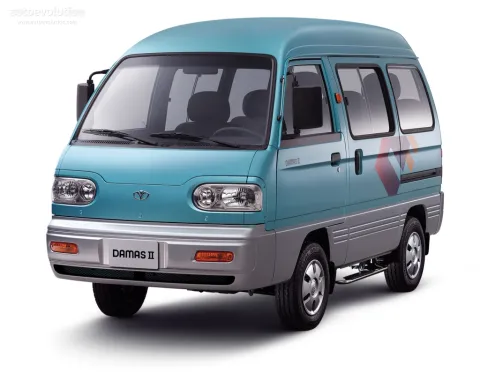
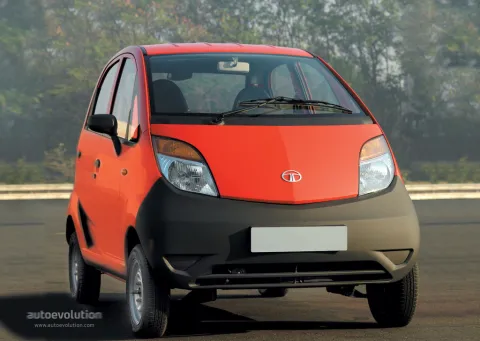
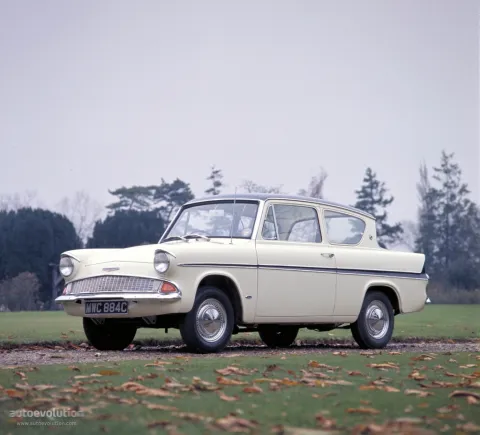
Daewoo Tata Motors Ford Buick Fiat

About Mercedes-Benz 170 VK

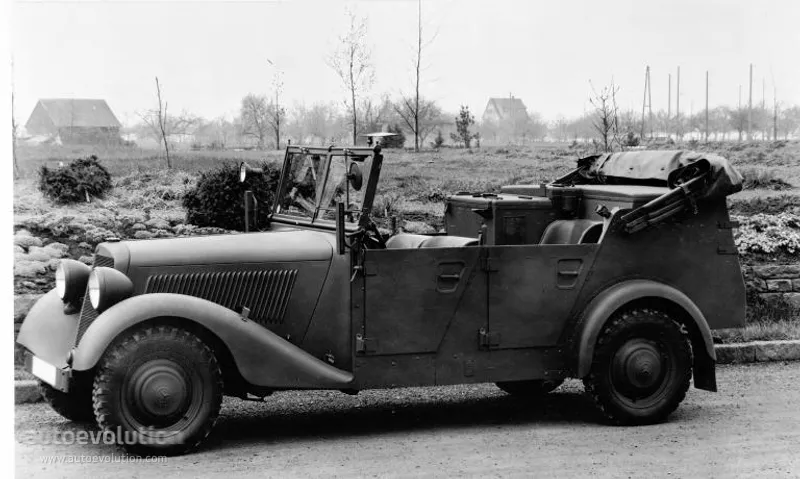
The 170 VK was one version for the 170 V, a car that was offered in many bodywork versions, from an off-road roadster to a delivery van.

And it was designed to be used as a military vehicle.

In February 1936, the International Motor and Motorcycle Show in Berlin was dominated by the theme 50 Years of Automotive Engineering". As was to be expected, Daimler-Benz was present at the historic anniversary show with a host of exhibits in the hall of fame. Not only that, with the 170 V, 170 H, and 260 D, it also unveiled three new passenger car models. The "V" in the model designation indicated that the engine was at the front. Based on the new V-series, the German car-maker built other types of vehicles, with a military destination, and the VK was one of the most successful.

The backbone of the vehicle was the X-shaped oval tubular frame design, which was similar to the H-versions (air-cooled rear-engines) and the Kaffer (Beetle). It was tough enough to cope as a Kubbelwagen (vehicles for rough terrain).

The VK version featured flat surfaces and diagonally cut doors. It was a vehicle where the design followed functions. It was fit with mounting points for machine-guns, short overhangs, and off-road tires. Its higher ground clearance made it ideal for military purposes. One of its main advantages was the suspension system, with transverse springs for the front wheels and a swing axle in the rear. The worm and lever steering mechanism made it very reliable under stressful conditions. It was built to carry four, fully equipped soldiers. The long final drive ratio of 4:125 made it good in climbing and difficult terrain but limited its top speed. The VK was produced in 19075 units.

How much power does the Mercedes-Benz 170 VK have?

The most powerful Mercedes-Benz 170 VK trim is the 1.7 4MT (38 HP) with 38 hp. The model has 1 trims, starting at 38 hp.

What is the fuel consumption of the Mercedes-Benz 170 VK?

The most economical Mercedes-Benz 170 VK trim is the 1.7 4MT (38 HP), with a stated combined consumption of 13.0 l/100 km and 309 g CO2 per km.

Other Mercedes-Benz models