Skip to content
AD

Mercedes-Benz Typ 130 (W23) (1934 - present)

Mercedes-Benz · 1 trim

Mercedes-Benz Typ 130 (W23)

The Mercedes-Benz Typ 130 (W23) (1934 - present) is available in 1 trims producing 26 to 26 hp. The fastest trim reaches 92 km/h. The lowest stated fuel consumption is 10.0 l/100 km.

Power
26 hp
0–100
Fuel economy
10.0 l/100 km
Cargo

Typ 130 (W23) Trims

Compare →
Trims and engine versions — Mercedes-Benz Typ 130 (W23)
Trim Fuel Power Torque 0–100 Top speed Fuel economy CO2 Select
130 3MT (26 HP) Petrol 26 hp 92 km/h 10.0 l/100 km 238 g/km

Fuel economy and CO2 follow the stated test cycle. Manufacturer figures; deviations per market and option pack are possible.

Is Mercedes-Benz Typ 130 (W23) a good choice against other models?

Average across every Mercedes-Benz Typ 130 (W23) trim, compared with 123 trims of other cars from the 1931–1937 period.

Is Mercedes-Benz Typ 130 (W23) a good choice against other models?
Measure This model Average Position
Power 26 hp 102 hp
better than 2%
Top speed 92 km/h 129 km/h
better than 10%
Combined consumption 10.0 l/100 km 19.6 l/100 km
better than 95%
CO2 emissions 238 g/km 489 g/km
better than 100%
Unladen weight 980 kg 1,598 kg
better than 84%

Percentages show the share of trims from the same period this model beats on that measure. Manufacturer figures.

Not stated by the manufacturer: torque, acceleration 0–100 km/h and cargo volume. Those measures are left out of the comparison.

Comparable models from other brands

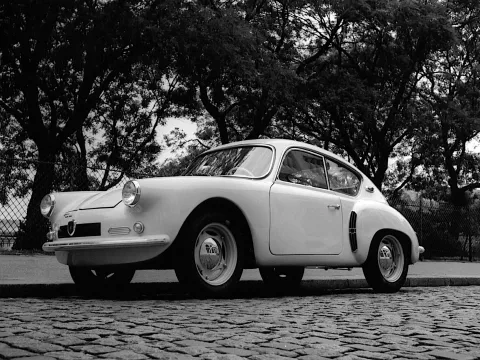
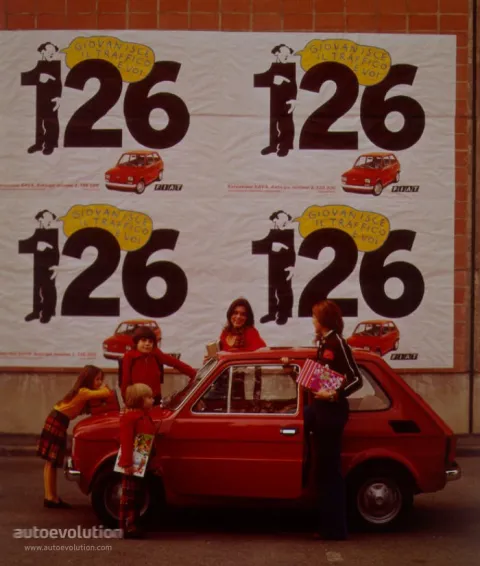
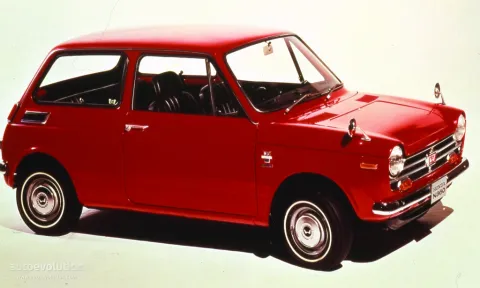
Alpine Fiat Honda Subaru

About Mercedes-Benz Typ 130 (W23)

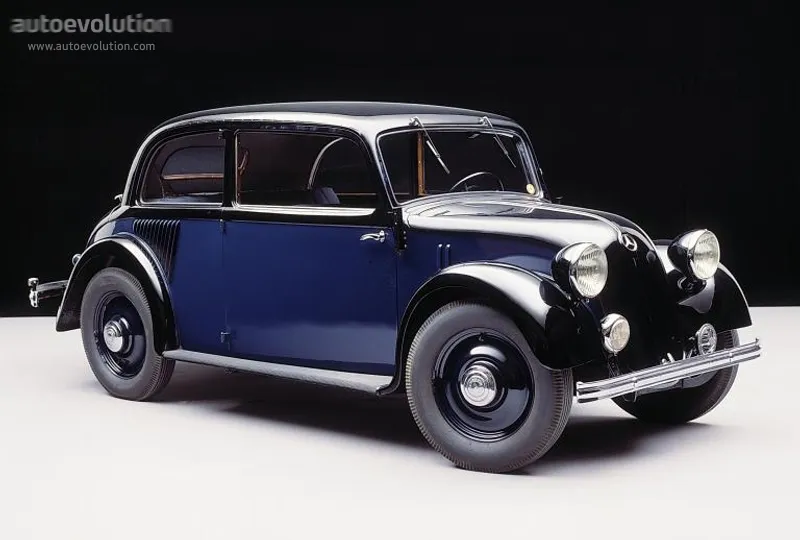
Mercedes-Benz introduced the Typ 130 at the 1934 International Motor and Motorcycle Show in Berlin at the same time as the prestigious 500 K series, and it was the smallest vehicle in the carmaker's portfolio.

Before the W23, the German automaker tried the solution of rear-engined vehicles on the W17 platform, but those versions didn't reach the assembly line. But based on the results from those experiments, Mercedes-Benz created the Typ 130, which became the first production car in the world with the engine mounted in the back. At 3,200 RM (Reichmarks), the car was a bargain compared to the 22,000 RM 500 K.

With its humble design, the W23 featured rounded shapes with no radiator grille at the front. Its tall luggage compartment was there and was flanked on the sides by a pair of headlights supported by the arched wheel fenders. On its sides, the two-door vehicle featured flat panels and an air intake above the rear wheel arches. But the rear end was the most intriguing, with its sloped-down shape, extended more than most regular cars from that era due to the flat-four engine mounted behind the axle.

Inside, there was nowhere near as luxurious as any other Mercedes-Benz on the market. Still, it featured two seats at the front and a bench in the back for two passengers. Access was difficult due to the small rear-hinged doors, but acceptable.

The car's platform featured swing axles, with leaf springs up front and coils in the back. The air-cooled engine was not very powerful and was paired with a three-speed manual. But that was enough for many. Still, unfortunately, the car's sales didn't go as good as expected, and the W23 was withdrawn from the assembly lines just two years later.

How much power does the Mercedes-Benz Typ 130 (W23) have?

The most powerful Mercedes-Benz Typ 130 (W23) trim is the 130 3MT (26 HP) with 26 hp. The model has 1 trims, starting at 26 hp.

What is the fuel consumption of the Mercedes-Benz Typ 130 (W23)?

The most economical Mercedes-Benz Typ 130 (W23) trim is the 130 3MT (26 HP), with a stated combined consumption of 10.0 l/100 km and 238 g CO2 per km.

Other Mercedes-Benz models