Skip to content
AD

Bristol 408 (1963 - present)

Bristol · 1 trim

Bristol 408

The Bristol 408 (1963 - present) is available in 1 trims producing 253 to 253 hp. The fastest trim reaches 204 km/h. The lowest stated fuel consumption is 20.3 l/100 km.

Power
253 hp
0–100
10.2 s
Fuel economy
20.3 l/100 km
Cargo
538 l

408 Trims

Compare →
Trims and engine versions — Bristol 408
Trim Fuel Power Torque 0–100 Top speed Fuel economy CO2 Select
5.1L V8 3AT (253 HP) Petrol 253 hp 460 Nm 10.2 s 204 km/h 20.3 l/100 km

Fuel economy and CO2 follow the stated test cycle. Manufacturer figures; deviations per market and option pack are possible.

Is Bristol 408 a good choice against other models?

Average across every Bristol 408 trim, compared with 207 trims of other cars from the 1960–1966 period.

Is Bristol 408 a good choice against other models?
Measure This model Average Position
Power 253 hp 169 hp
better than 77%
Torque 460 Nm 272 Nm
better than 83%
Top speed 204 km/h 179 km/h
better than 75%
Acceleration 0–100 km/h 10.2 s 12.2 s
better than 62%
Combined consumption 20.3 l/100 km 13.5 l/100 km
better than 8%
Cargo volume 538 l 409 l
better than 82%
Unladen weight 1,600 kg 1,337 kg
better than 27%

Percentages show the share of trims from the same period this model beats on that measure. Manufacturer figures.

Not stated by the manufacturer: co2 emissions. Those measures are left out of the comparison.

Comparable models from other brands

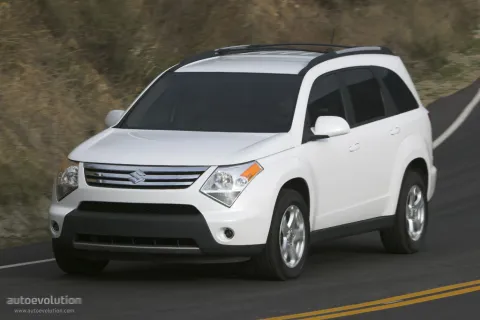
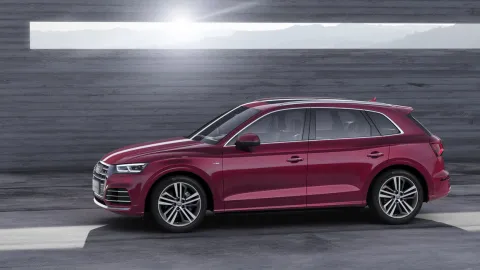
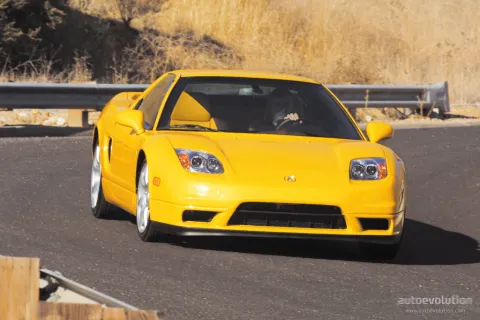
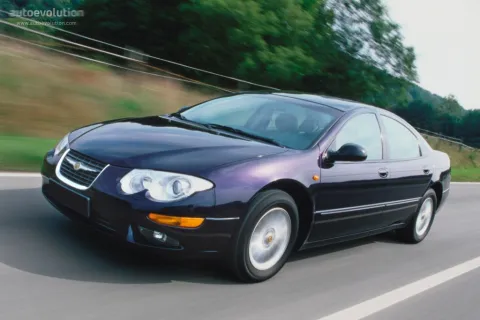
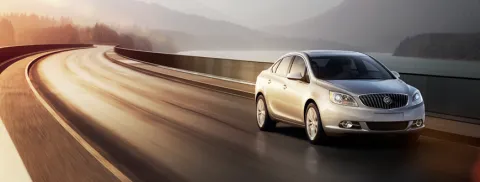
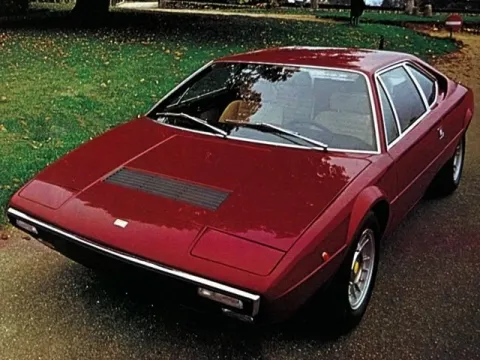
Suzuki Audi Acura Chrysler Buick Ferrari

About Bristol 408

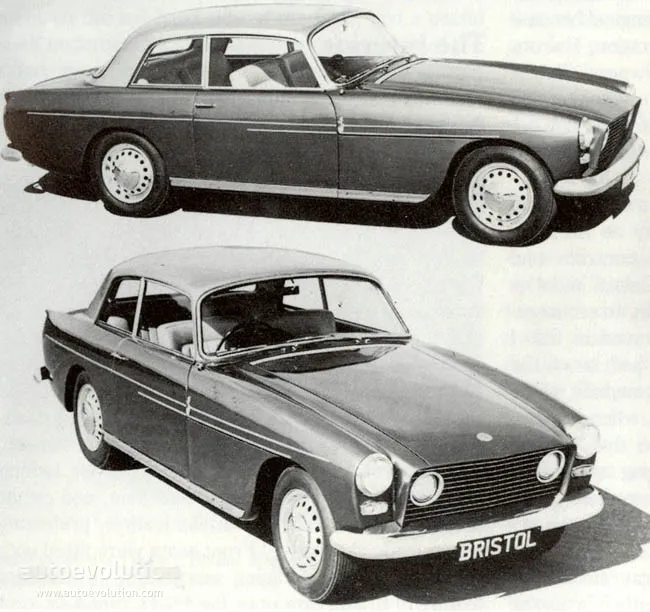
The British automaker Bristol introduced the 408 model as a successor to the 407 series in 1963, followed by the 408 Mark II in 1965.

While facelifts were not an exact science in those times, the British carmaker understood that refreshed models could lead to more significant sales. Moreover, the introduction of a new nameplate, even if it sported most of the previous model's features, was also healthy for its budget.

Unlike the 407, the 408 lineup featured flatter body panels, which were more attractive and cheaper to build. In addition to the car's main headlights, the automaker included a pair of lamps on the redesigned flat radiator grille. Another improvement over the 407 was the introduction of rectangular blinkers and parking lights. These were placed on the front's sides, above the chromed bumper. However, the car's profile still resembled its predecessor, with a two-door sedan shape and generous rear windows. At the back, the long trunk allowed occupants to carry enough luggage for longer trips.

The cabin was just as luxurious as expected from a Bristol. Its leather-wrapped and comfortable front bucket seats were highly appreciated on long travels. In addition, the drivers praised the instrument panel, which sported a design inspired by former fighter bombers from WWII. The bench was fit for two passengers at the back, even for longer trips. Yet, the legroom was not exactly generous.

Under the hood, Bristol installed the same 5.2-liter V8 previously installed in the 407. It was a modified version of a Chrysler powerplant. It was paired with a three-speed automatic transmission known as TorqueFlite.

How much power does the Bristol 408 have?

The most powerful Bristol 408 trim is the 5.1L V8 3AT (253 HP) with 253 hp. The model has 1 trims, starting at 253 hp.

What is the fuel consumption of the Bristol 408?

The most economical Bristol 408 trim is the 5.1L V8 3AT (253 HP), with a stated combined consumption of 20.3 l/100 km and — g CO2 per km.

How quickly does the Bristol 408 accelerate from 0 to 100 km/h?

The quickest trim is the 5.1L V8 3AT (253 HP): 0-100 km/h in 10.2 seconds, with a top speed of 204 km/h.

How large is the cargo volume of the Bristol 408?

The largest stated cargo volume for the Bristol 408 is 538 litres.

Other Bristol models

Bristol 407

1961 - 1963 · 1 trim

Power
253 hp
0–100
Fuel economy

Petrol

Bristol 406

1958 - 1961 · 1 trim

Power
107 hp
0–100
14.0 s
Fuel economy
12.0

Petrol

Bristol 403

1953 - 1955 · 1 trim

Power
107 hp
0–100
15.6 s
Fuel economy
12.0

Petrol