Skip to content
AD

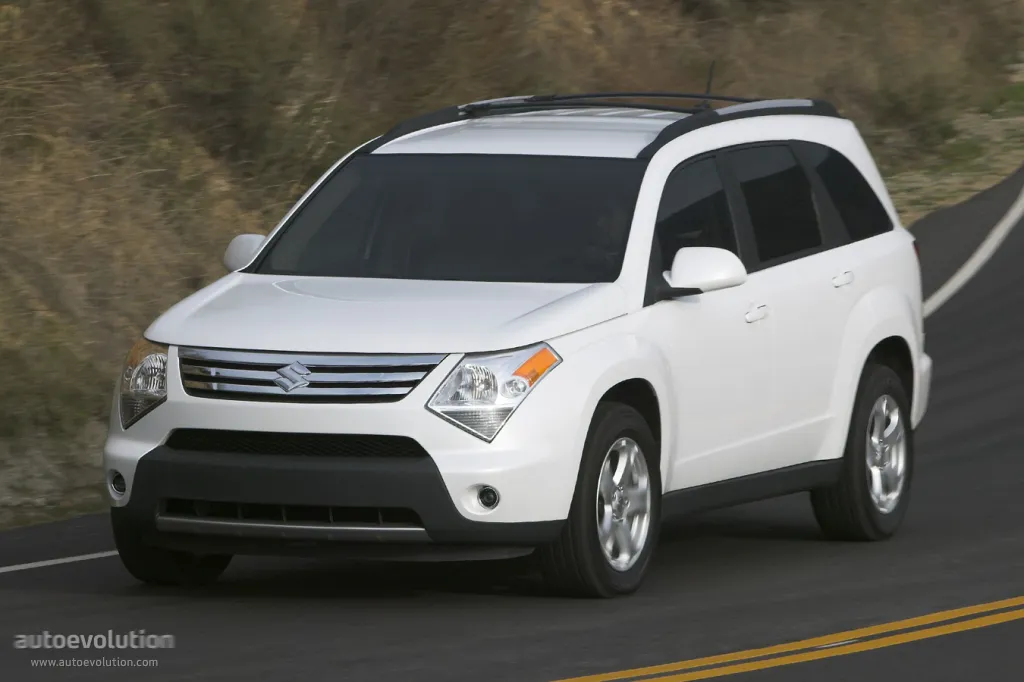
Suzuki XL7 (2007 - 2009)

Suzuki · 2 trims

Suzuki XL7

The Suzuki XL7 (2007 - 2009) is available in 2 trims producing 252 to 252 hp. The fastest trim reaches 190 km/h. The lowest stated fuel consumption is 11.2 l/100 km.

Power
252 hp
0–100
9.5 s
Fuel economy
11.2 l/100 km
Cargo
396 l

XL7 Trims

Compare →
Trims and engine versions — Suzuki XL7
Trim Fuel Power Torque 0–100 Top speed Fuel economy CO2 Select
3.6 V6 AWD 5AT (252 HP) Petrol 252 hp 329 Nm 9.5 s 190 km/h 11.8 l/100 km 280 g/km
3.6 V6 FWD 5AT (252 HP) Petrol 252 hp 329 Nm 9.5 s 190 km/h 11.2 l/100 km 280 g/km

Fuel economy and CO2 follow the stated test cycle. Manufacturer figures; deviations per market and option pack are possible.

Is Suzuki XL7 a good choice against other models?

Average across every Suzuki XL7 trim, compared with 7,819 trims of other cars from the 2004–2010 period.

Is Suzuki XL7 a good choice against other models?
Measure This model Average Position
Power 252 hp 188 hp
better than 80%
Torque 329 Nm 300 Nm
better than 65%
Top speed 190 km/h 208 km/h
better than 31%
Acceleration 0–100 km/h 9.5 s 9.6 s
better than 50%
Combined consumption 11.5 l/100 km 7.9 l/100 km
better than 11%
CO2 emissions 280 g/km 183 g/km
better than 6%
Cargo volume 396 l 477 l
better than 40%
Unladen weight 1,800 kg 1,508 kg
better than 16%

Percentages show the share of trims from the same period this model beats on that measure. Manufacturer figures.

Comparable models from other brands

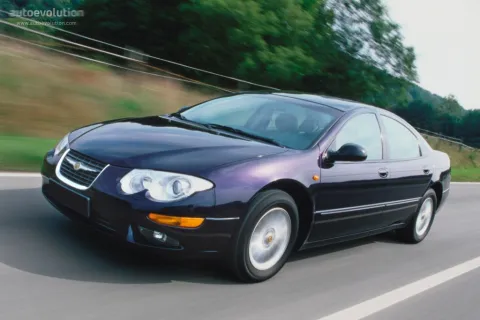
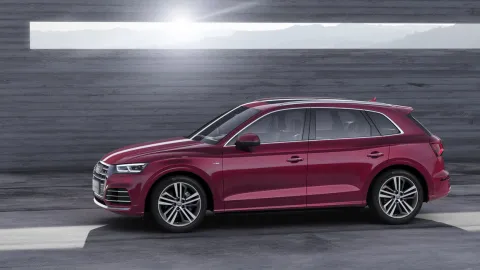
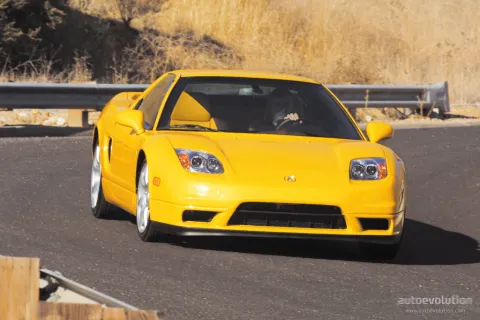
Chrysler Audi Acura Bristol Renault

About Suzuki XL7

The XL7 was the largest and the most powerful SUV produced by the Japanese manufacturer at that time. It was mainly produced for the north American market, however, it sold well on other markets as well.

The SUV could offered seating for 7 passengers, with a 3rd row of seats. Adults could easily go on longer journeys even in the 3rd row, as the XL7 offered great legroom and headroom.

The trunk size was a decent 400 liters, a capacity that’s rather specific for a regular sedan. However, with the seats folded flat, the trunk capacity increased and longer items could be easily carried.

Most of the components used to build the XL7 were borrowed from Chevrolet, Suzuki having lots of collaborations with different car producers all over the world. However, the engine was a Japanese part.

The 3.6-liter V6 engine developed in Japan cranked out 252 hp, which offered more than enough power to make the SUV a good choice.

The engine was mated with a 5-speed automatic transmission.

The suspension was very comfortable, however, that compromised the handling. Not a lot though, as the XL7 did well in corners.

Safety wise, the XL7 offered standard ABS, traction control and stability control.

Seating for 7, enough power, comfort and safety, the XL7 was a good deal for larger families.

How much power does the Suzuki XL7 have?

The most powerful Suzuki XL7 trim is the 3.6 V6 AWD 5AT (252 HP) with 252 hp. The model has 2 trims, starting at 252 hp.

What is the fuel consumption of the Suzuki XL7?

The most economical Suzuki XL7 trim is the 3.6 V6 FWD 5AT (252 HP), with a stated combined consumption of 11.2 l/100 km and 280 g CO2 per km.

How quickly does the Suzuki XL7 accelerate from 0 to 100 km/h?

The quickest trim is the 3.6 V6 AWD 5AT (252 HP): 0-100 km/h in 9.5 seconds, with a top speed of 190 km/h.

How large is the cargo volume of the Suzuki XL7?

The largest stated cargo volume for the Suzuki XL7 is 396 litres.

Other Suzuki models

Suzuki Verona

2004 - 2006 · 3 trims

Power
156 hp
0–100
9.8 s
Fuel economy
8.8

Petrol

Suzuki APV

2004 - present · 2 trims

Power
92 hp
0–100
Fuel economy
8.0

Petrol

Suzuki Kizashi

2010 - present · 5 trims

Power
185 hp
0–100
7.8 s
Fuel economy
7.9

Petrol

Suzuki Reno

2004 - present · 2 trims

Power
129 hp
0–100
Fuel economy

Petrol

Suzuki Ertiga

2012 - present · 3 trims

Power
95 hp
0–100
Fuel economy

Petrol Diesel