Skip to content
AD

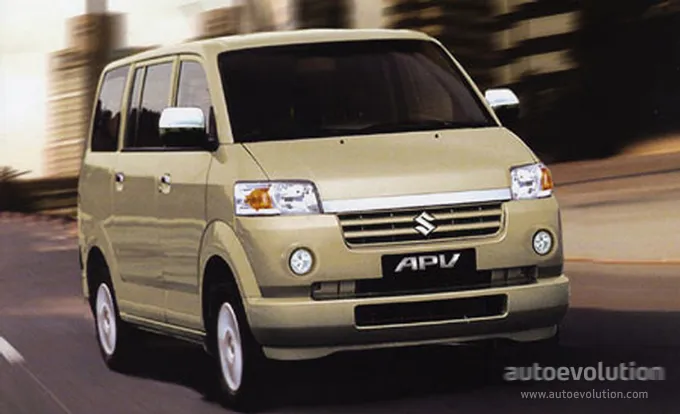
Suzuki APV (2004 - present)

Suzuki · 2 trims

Suzuki APV

The Suzuki APV (2004 - present) is available in 2 trims producing 91 to 92 hp. The lowest stated fuel consumption is 8.0 l/100 km.

Power
92 hp
0–100
Fuel economy
8.0 l/100 km
Cargo

APV Trims

Compare →
Trims and engine versions — Suzuki APV
Trim Fuel Power Torque 0–100 Top speed Fuel economy CO2 Select
1.5L 5MT (91 HP) Petrol 91 hp 122 Nm 8.0 l/100 km 187 g/km
1.6L 5MT (92 HP) Petrol 92 hp 127 Nm 8.2 l/100 km 190 g/km

Fuel economy and CO2 follow the stated test cycle. Manufacturer figures; deviations per market and option pack are possible.

Is Suzuki APV a good choice against other models?

Average across every Suzuki APV trim, compared with 6,459 trims of other cars from the 2001–2007 period.

Is Suzuki APV a good choice against other models?
Measure This model Average Position
Power 92 hp 176 hp
better than 13%
Torque 125 Nm 277 Nm
better than 6%
Combined consumption 8.1 l/100 km 8.2 l/100 km
better than 40%
CO2 emissions 189 g/km 196 g/km
better than 46%
Unladen weight 1,140 kg 1,461 kg
better than 85%

Percentages show the share of trims from the same period this model beats on that measure. Manufacturer figures.

Not stated by the manufacturer: top speed, acceleration 0–100 km/h and cargo volume. Those measures are left out of the comparison.

Comparable models from other brands

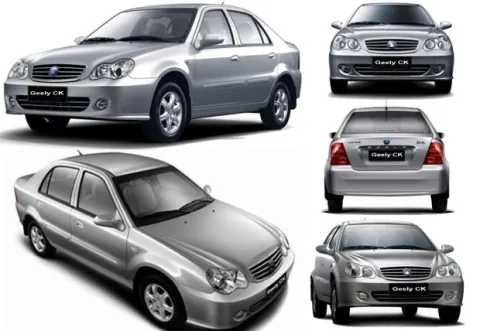
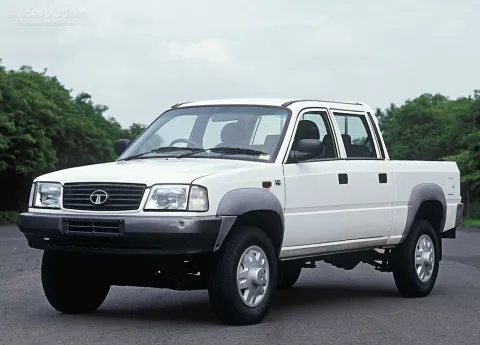
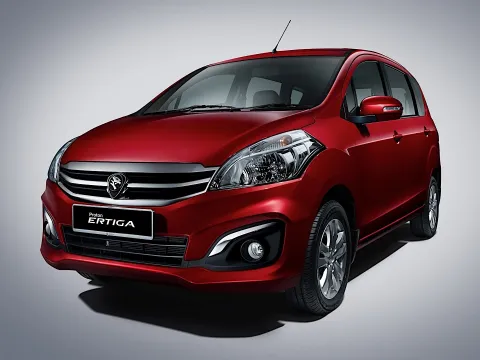
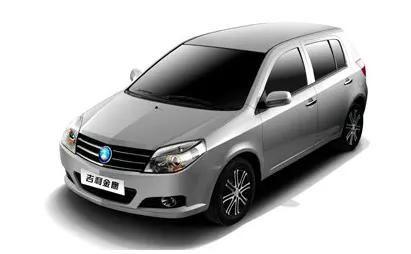
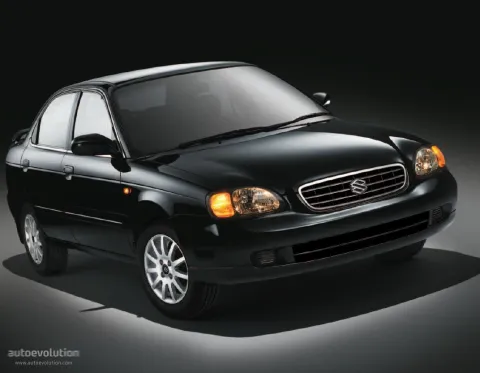
Geely Tata Motors Proton Maruti Suzuki

About Suzuki APV

Suzuki introduced the APV in 2004 as a solution for cramped urban areas. It was built in various versions, including a pick-up, a panel van, and a passenger car.

Deemed as one of the biggest carmakers for small vehicles, Suzuki understood that the Sout-Eastern side of Asia needs more small, affordable cars. So in Indonesia, the Japanese carmaker produced the vehicle at its plant in Bekasi, West Java, and made it available in more than 100 countries worldwide in emerging markets.

In terms of maximizing space, it was hard to compete against the APV. Suzuki took the kei-car concept from Japan and translated it into larger, yet still small-sized, vehicles. Thus, the APV was high but short and narrow. At the front, the rectangular headlights were placed way above a tall bumper to be protected from minor bumps. They sat even above the grille, which sported a couple of slats. The car featured a short, sloped hood, followed by a not-so-raked windshield. On the sides, the carmaker made the door panels, fenders, and windows flat and vertical, so the car ended up with a spacious cabin. At the back, Suzuki placed a straight-up tailgate to access the trunk.

Inside, the four-door vehicle offered high-mounted seats. Thus, despite the short wheelbase, the APV offered enough room for up to six passengers. In terms of interior design, the APV featured cheap plastic materials for the dashboard, door cards, and center console. But it served the purpose and was a very affordable people carrier.

Under the hood, the APV got a choice of two engines, depending on the market. Both versions were mated to a five-speed manual that sent its power to the rear wheels.

How much power does the Suzuki APV have?

The most powerful Suzuki APV trim is the 1.6L 5MT (92 HP) with 92 hp. The model has 2 trims, starting at 91 hp.

What is the fuel consumption of the Suzuki APV?

The most economical Suzuki APV trim is the 1.5L 5MT (91 HP), with a stated combined consumption of 8.0 l/100 km and 187 g CO2 per km.

Other Suzuki models

Suzuki Verona

2004 - 2006 · 3 trims

Power
156 hp
0–100
9.8 s
Fuel economy
8.8

Petrol

Suzuki Reno

2004 - present · 2 trims

Power
129 hp
0–100
Fuel economy

Petrol

Suzuki XL7

2007 - 2009 · 2 trims

Power
252 hp
0–100
9.5 s
Fuel economy
11.2

Petrol

Suzuki Kizashi

2010 - present · 5 trims

Power
185 hp
0–100
7.8 s
Fuel economy
7.9

Petrol

Suzuki Ertiga

2012 - present · 3 trims

Power
95 hp
0–100
Fuel economy

Petrol Diesel