Skip to content
AD

Citroën Traction Avant 7 Saloon (1934 - present)

Citroën · 1 trim

Citroën Traction Avant 7 Saloon

The Citroën Traction Avant 7 Saloon (1934 - present) is available in 1 trims producing 32 to 32 hp. The fastest trim reaches 100 km/h. The lowest stated fuel consumption is 9.0 l/100 km.

Power
32 hp
0–100
Fuel economy
9.0 l/100 km
Cargo

Traction Avant 7 Saloon Trims

Compare →
Trims and engine versions — Citroën Traction Avant 7 Saloon
Trim Fuel Power Torque 0–100 Top speed Fuel economy CO2 Select
1.3 Petrol 32 hp 100 km/h 9.0 l/100 km

Fuel economy and CO2 follow the stated test cycle. Manufacturer figures; deviations per market and option pack are possible.

Is Citroën Traction Avant 7 Saloon a good choice against other models?

Average across every Citroën Traction Avant 7 Saloon trim, compared with 123 trims of other cars from the 1931–1937 period.

Is Citroën Traction Avant 7 Saloon a good choice against other models?
Measure This model Average Position
Power 32 hp 102 hp
better than 4%
Top speed 100 km/h 128 km/h
better than 16%
Combined consumption 9.0 l/100 km 19.6 l/100 km
better than 98%
Unladen weight 900 kg 1,600 kg
better than 90%

Percentages show the share of trims from the same period this model beats on that measure. Manufacturer figures.

Not stated by the manufacturer: torque, acceleration 0–100 km/h, co2 emissions and cargo volume. Those measures are left out of the comparison.

Comparable models from other brands

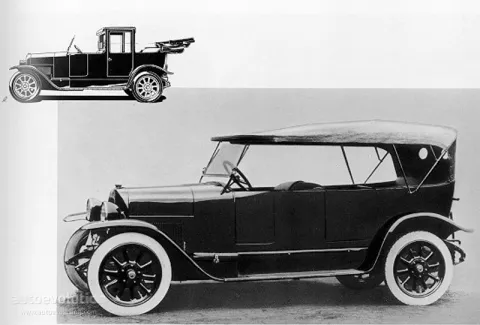
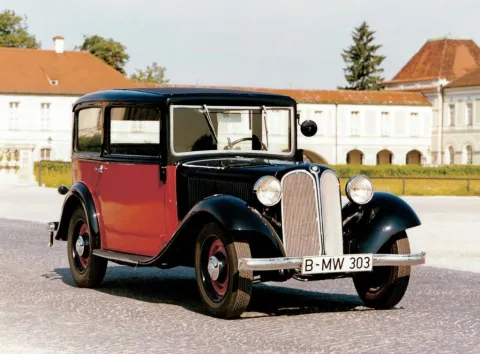
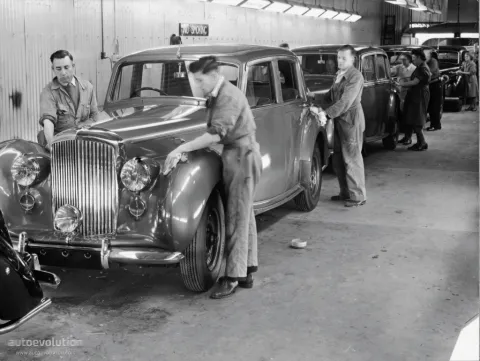
Fiat BMW Bentley Lancia Ford

About Citroën Traction Avant 7 Saloon

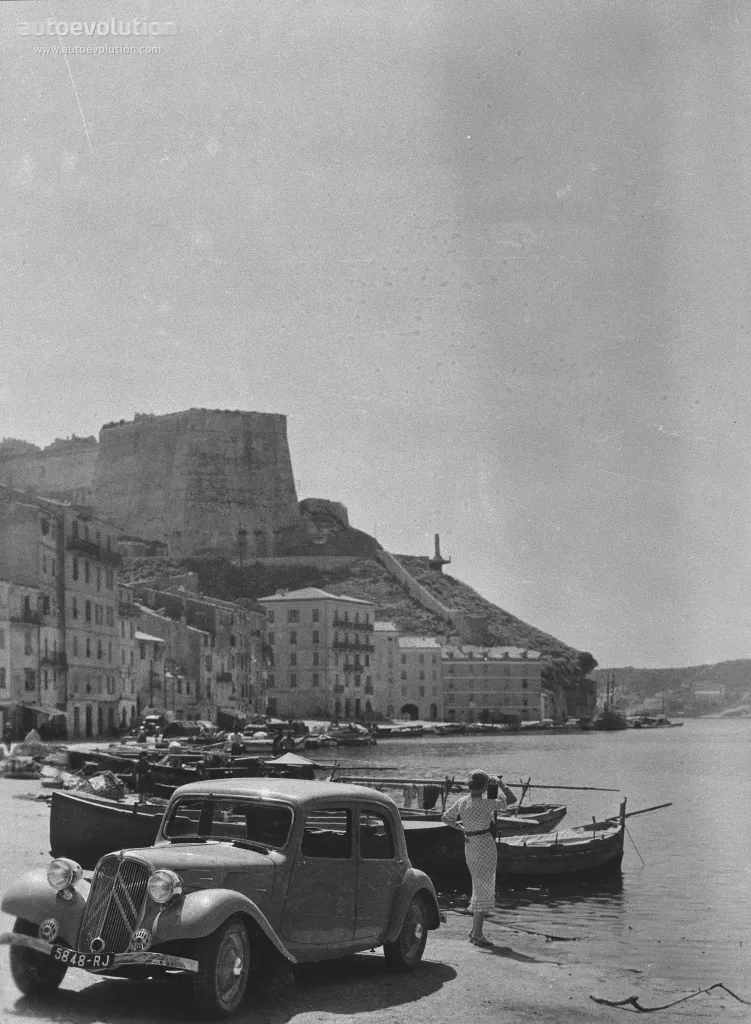
With the Citroen Traction Avant, the French automaker broke all the rules from the technical books and thus produced the most advanced car of its era, and the model lasted for more than two decades on the market. It even survived WWII.

When Andre Lefebvre and Flamino Bertoni started the work on the car, they didn't even dream about how successful the TA would become. TA came from the Traction Avant, which meant front-wheel traction (or drive) in French. Because yes, the TA was a front-wheel driven vehicle built in a time when most of the cars were with rear-wheel drive systems. Moreover, the car was fitted with independent suspension in all corners and a unibody bodywork, giving up on the body-on-frame construction system.

The long hood engine compartment flanked by arched fenders that supported the headlights was usual for those times. But the car's low ground clearance was unusual, and that was made possible thanks to the lack of a ladder chassis. TA's tall greenhouse was a promise of enough headroom, and to ease the ingress and egress, the automaker hinged both doors on the B-pillars. In the back, the almost vertical rear windscreen and the sloped-down trunk lid looked stylish for those times.

Inside, Citroen installed two seats at the front and a bench in the rear. The only way to access the trunk was from the car's interior. On the dashboard, the automaker installed the instrument panel in front of the driver and, next to the steering wheel, it placed the gear-stick.

Despite the long hood, the automaker installed an inline-four there. But that extra space was needed for the gearbox, which was mounted between the engine and the radiator. The 7 designation came from the fiscal power, a system used by the French administration.

How much power does the Citroën Traction Avant 7 Saloon have?

The most powerful Citroën Traction Avant 7 Saloon trim is the 1.3 with 32 hp. The model has 1 trims, starting at 32 hp.

What is the fuel consumption of the Citroën Traction Avant 7 Saloon?

The most economical Citroën Traction Avant 7 Saloon trim is the 1.3, with a stated combined consumption of 9.0 l/100 km and — g CO2 per km.

Other Citroën models

Citroën 2CV

1949 - 1990 · 4 trims

Power
29 hp
0–100
33.5 s
Fuel economy
5.0

Petrol

Citroën Dyane

1969 - 1983 · 1 trim

Power
32 hp
0–100
34.0 s
Fuel economy

Petrol

Citroën LNA

1978 - 1984 · 2 trims

Power
50 hp
0–100
23.8 s
Fuel economy
5.6

Petrol

Citroën GSA

1979 - present · 2 trims

Power
65 hp
0–100
14.2 s
Fuel economy
7.7

Petrol