Skip to content
AD

Mercedes-Benz 300 SEL 6.3 (W109) (1967 - 1972)

Mercedes-Benz · 1 trim

Mercedes-Benz 300 SEL 6.3 (W109)

The Mercedes-Benz 300 SEL 6.3 (W109) (1967 - 1972) is available in 1 trims producing 250 to 250 hp. The fastest trim reaches 220 km/h. The lowest stated fuel consumption is 15.5 l/100 km.

Power
250 hp
0–100
6.5 s
Fuel economy
15.5 l/100 km
Cargo
609 l

300 SEL 6.3 (W109) Trims

Compare →
Trims and engine versions — Mercedes-Benz 300 SEL 6.3 (W109)
Trim Fuel Power Torque 0–100 Top speed Fuel economy CO2 Select
6.3L V8 4AT (250 HP) Petrol 250 hp 500 Nm 6.5 s 220 km/h 15.5 l/100 km 368 g/km

Fuel economy and CO2 follow the stated test cycle. Manufacturer figures; deviations per market and option pack are possible.

Is Mercedes-Benz 300 SEL 6.3 (W109) a good choice against other models?

Average across every Mercedes-Benz 300 SEL 6.3 (W109) trim, compared with 388 trims of other cars from the 1964–1970 period.

Is Mercedes-Benz 300 SEL 6.3 (W109) a good choice against other models?
Measure This model Average Position
Power 250 hp 172 hp
better than 75%
Torque 500 Nm 276 Nm
better than 85%
Top speed 220 km/h 179 km/h
better than 89%
Acceleration 0–100 km/h 6.5 s 12.3 s
better than 93%
Combined consumption 15.5 l/100 km 13.5 l/100 km
better than 31%
Cargo volume 609 l 339 l
better than 92%

Percentages show the share of trims from the same period this model beats on that measure. Manufacturer figures.

Not stated by the manufacturer: unladen weight. Those measures are left out of the comparison.

Comparable models from other brands

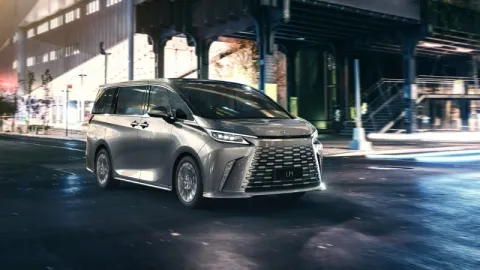
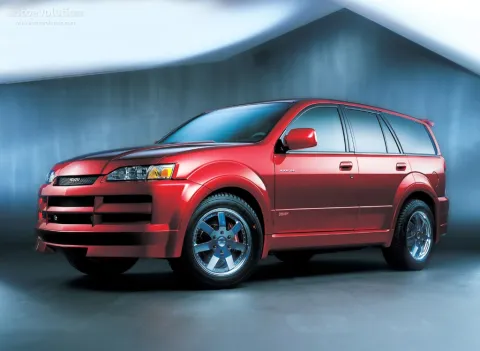
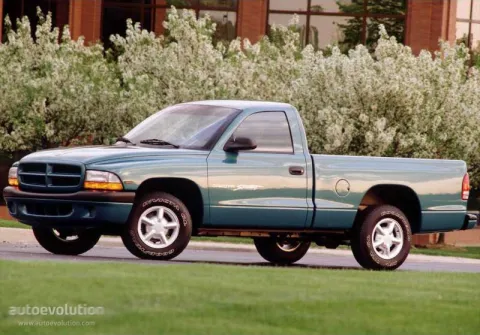
Honda Renault Subaru Lexus Isuzu Dodge

About Mercedes-Benz 300 SEL 6.3 (W109)

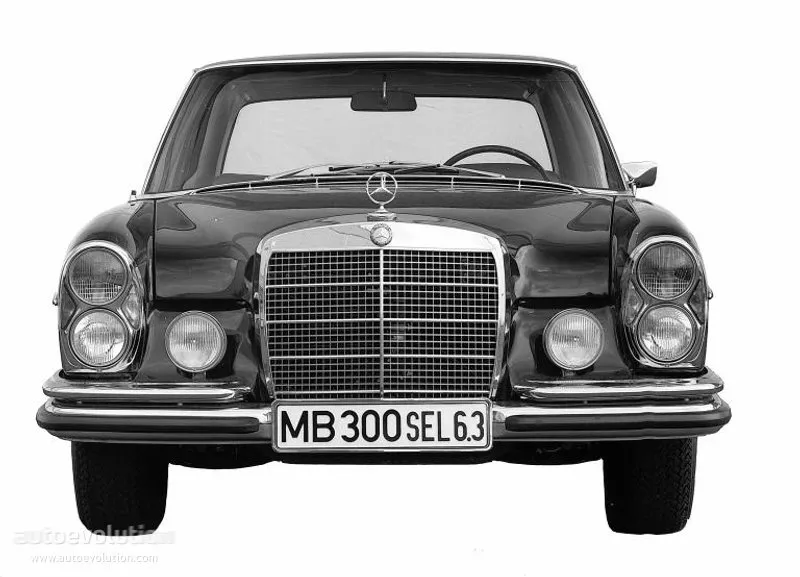
It was a car that it wasn't planned and it was the result of a particular Mercedes-Benz engineer, Erich Waxenberger. He just took the biggest V8 from the shed and slammed it under the hood of a regular 300 SEL.

When the Mercedes-Benz chief engineer tested the car, it is said that at a stoplight he jumped out of the car and looked under the hood to see how the big V8 was installed. That gave him confidence and propose the series model. The production model was shown at the Geneva Motor Show in 1968 and it was a sensation. Even if the price tag was high for that era (DM 10.000 – USD 5.000), the customers came to ask for more and more. It was twice as much as a 300 SEL 280. According to Mercedes-Benz's official data, 6526 units were produced before the end of the series in 1972.

The exterior look was very close to the standard 300 SEL with a smaller engine. There were a few clues that the car was something different. The 6.3 could only be recognized by its wider tires, double halogen headlights, and additional high-beam headlights.

At the time of launch, it was the fastest four-door car in the world and it kept that title for many years. For the suspension, it featured a self-leveling system for the rear axle to keep the same level regardless of the load, four disc brakes, power windows and locks, and power steering.

How much power does the Mercedes-Benz 300 SEL 6.3 (W109) have?

The most powerful Mercedes-Benz 300 SEL 6.3 (W109) trim is the 6.3L V8 4AT (250 HP) with 250 hp. The model has 1 trims, starting at 250 hp.

What is the fuel consumption of the Mercedes-Benz 300 SEL 6.3 (W109)?

The most economical Mercedes-Benz 300 SEL 6.3 (W109) trim is the 6.3L V8 4AT (250 HP), with a stated combined consumption of 15.5 l/100 km and 368 g CO2 per km.

How quickly does the Mercedes-Benz 300 SEL 6.3 (W109) accelerate from 0 to 100 km/h?

The quickest trim is the 6.3L V8 4AT (250 HP): 0-100 km/h in 6.5 seconds, with a top speed of 220 km/h.

How large is the cargo volume of the Mercedes-Benz 300 SEL 6.3 (W109)?

The largest stated cargo volume for the Mercedes-Benz 300 SEL 6.3 (W109) is 609 litres.

Other Mercedes-Benz models