Skip to content
AD

Mercedes-Benz Mercedes S123 (1978 - present)

Mercedes-Benz · 7 trims

Mercedes-Benz Mercedes S123

The Mercedes-Benz Mercedes S123 (1978 - present) is available in 7 trims producing 72 to 185 hp. The fastest trim reaches 212 km/h. The lowest stated fuel consumption is 8.9 l/100 km.

Power
185 hp
0–100
9.4 s
Fuel economy
8.9 l/100 km
Cargo
530 l

Mercedes S123 Trims

Compare →
Trims and engine versions — Mercedes-Benz Mercedes S123
Trim Fuel Power Torque 0–100 Top speed Fuel economy CO2 Select
240d 4MT RWD (72 HP) Diesel 72 hp 137 Nm 145 km/h 8.9 l/100 km 236 g/km
300d 4MT RWD (88 HP) Diesel 88 hp 172 Nm 154 km/h 9.3 l/100 km 246 g/km
200 4MT RWD (109 HP) Petrol 109 hp 170 Nm 169 km/h 10.4 l/100 km 248 g/km
300 Turbodiesel 4AT RWD (125 HP) Diesel 125 hp 250 Nm 15.0 s 166 km/h 9.8 l/100 km 260 g/km
230 E 4MT RWD (136 HP) Petrol 136 hp 205 Nm 180 km/h 10.5 l/100 km 250 g/km
E 300 4MATIC 4AT AWD (179 HP) Petrol 179 hp 260 Nm 9.4 s 212 km/h 11.4 l/100 km 272 g/km
280 E 4MT RWD (185 HP0 Petrol 185 hp 240 Nm 200 km/h 12.0 l/100 km 286 g/km

Fuel economy and CO2 follow the stated test cycle. Manufacturer figures; deviations per market and option pack are possible.

Is Mercedes-Benz Mercedes S123 a good choice against other models?

Average across every Mercedes-Benz Mercedes S123 trim, compared with 542 trims of other cars from the 1975–1981 period.

Is Mercedes-Benz Mercedes S123 a good choice against other models?
Measure This model Average Position
Power 128 hp 125 hp
better than 64%
Torque 205 Nm 191 Nm
better than 67%
Top speed 175 km/h 178 km/h
better than 54%
Acceleration 0–100 km/h 12.2 s 12.6 s
better than 48%
Combined consumption 10.3 l/100 km 10.1 l/100 km
better than 37%
CO2 emissions 257 g/km 227 g/km
better than 27%
Cargo volume 525 l 429 l
better than 84%
Unladen weight 1,560 kg 1,254 kg
better than 19%

Percentages show the share of trims from the same period this model beats on that measure. Manufacturer figures.

Comparable models from other brands

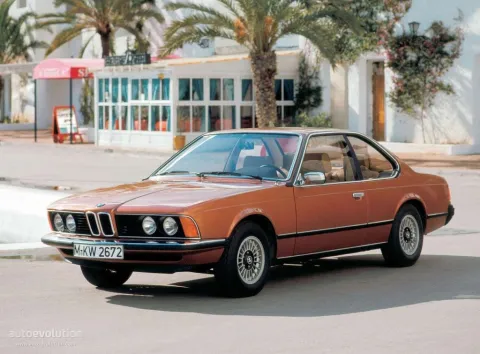
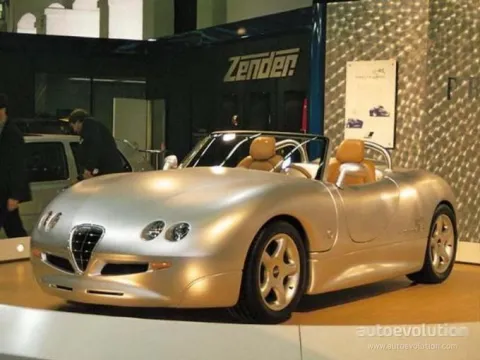
Oldsmobile Suzuki BMW Toyota Zender

About Mercedes-Benz Mercedes S123

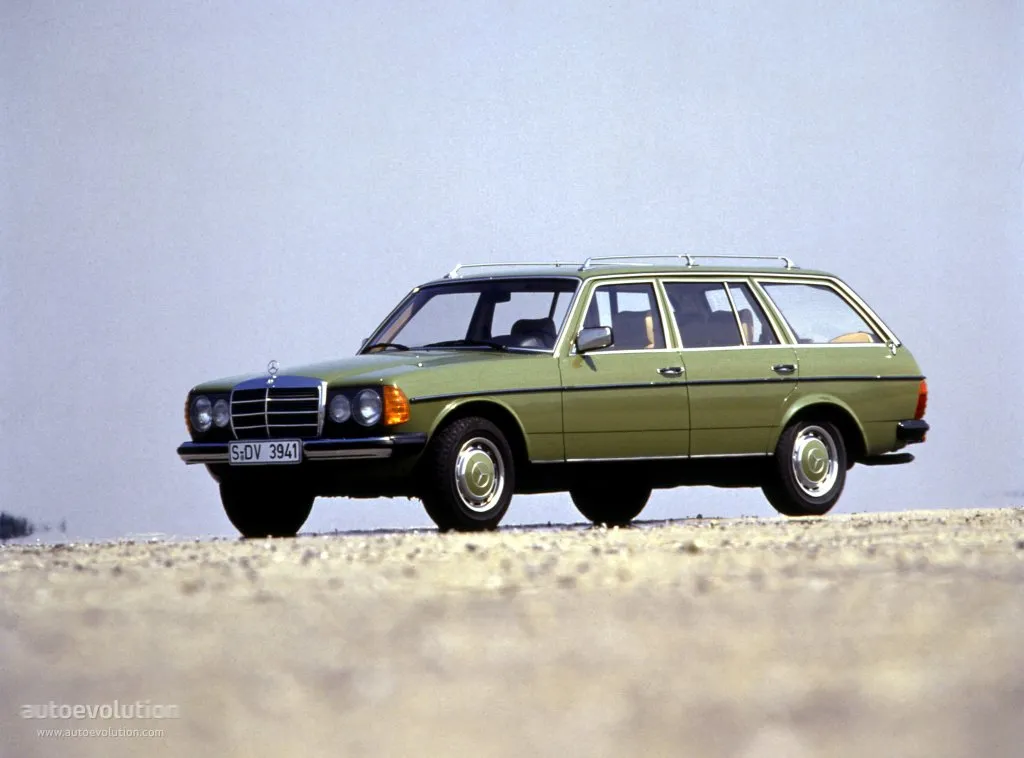
After successfully launching the W123 lineup in 1975, Mercedes-Benz faced another challenge: to create a station wagon on the same platform without compromising the car's qualities.

The W123 was already a reckoned and successful model in the German carmaker's inventory. Thanks to all the variations that stretched from mundane cabs to state limousines, it was a popular vehicle. But all these versions were based on the same three-box version of the car. So, in 1978, the three-pointed star brand introduced the longroof version of it: the T-Modell.

While this vehicle was not known as an E-Class, since that name was created more than a decade later, it is considered a rightful predecessor for it. In the front, the big round dual headlamps were a characteristic design of the new models. Next to the main headlamp, under a common lens, there was a smaller halogen fog lamp. Differing from that, the two top models of the series, Types 280 and 280 E, were provided with rectangular halogen wide-band headlights. Bigger bumpers were installed for the U.S. market. On its sides, the automaker showed that it didn't want to cut corners, so the rear doors were not carried over from the sedan to the station wagon. In addition, behind the slim C-pillar, it placed a third side window, while at the back, the raked-forward tailgate completed the design in a nicer way. It didn't look like a bread van at all.

Inside, the vehicle was fitted with cloth bucket seats at the front and a folding bench seat at the back. On the instrument cluster, Mercedes-Benz installed round dials and multiple gauges that offered the driver information about the engine's status. In the back, passengers were pleased by the spacious cabin. Even the middle-seated occupants on the bench had enough legroom at their disposal.

Under the hood, the automaker installed a choice of diesel and gasoline engines paired with either four- or five-speed manual gearboxes or with a four-speed automatic.

How much power does the Mercedes-Benz Mercedes S123 have?

The most powerful Mercedes-Benz Mercedes S123 trim is the 280 E 4MT RWD (185 HP0 with 185 hp. The model has 7 trims, starting at 72 hp.

What is the fuel consumption of the Mercedes-Benz Mercedes S123?

The most economical Mercedes-Benz Mercedes S123 trim is the 240d 4MT RWD (72 HP), with a stated combined consumption of 8.9 l/100 km and 236 g CO2 per km.

How quickly does the Mercedes-Benz Mercedes S123 accelerate from 0 to 100 km/h?

The quickest trim is the E 300 4MATIC 4AT AWD (179 HP): 0-100 km/h in 9.4 seconds, with a top speed of 212 km/h.

How large is the cargo volume of the Mercedes-Benz Mercedes S123?

The largest stated cargo volume for the Mercedes-Benz Mercedes S123 is 530 litres.

Other Mercedes-Benz models