Skip to content
AD

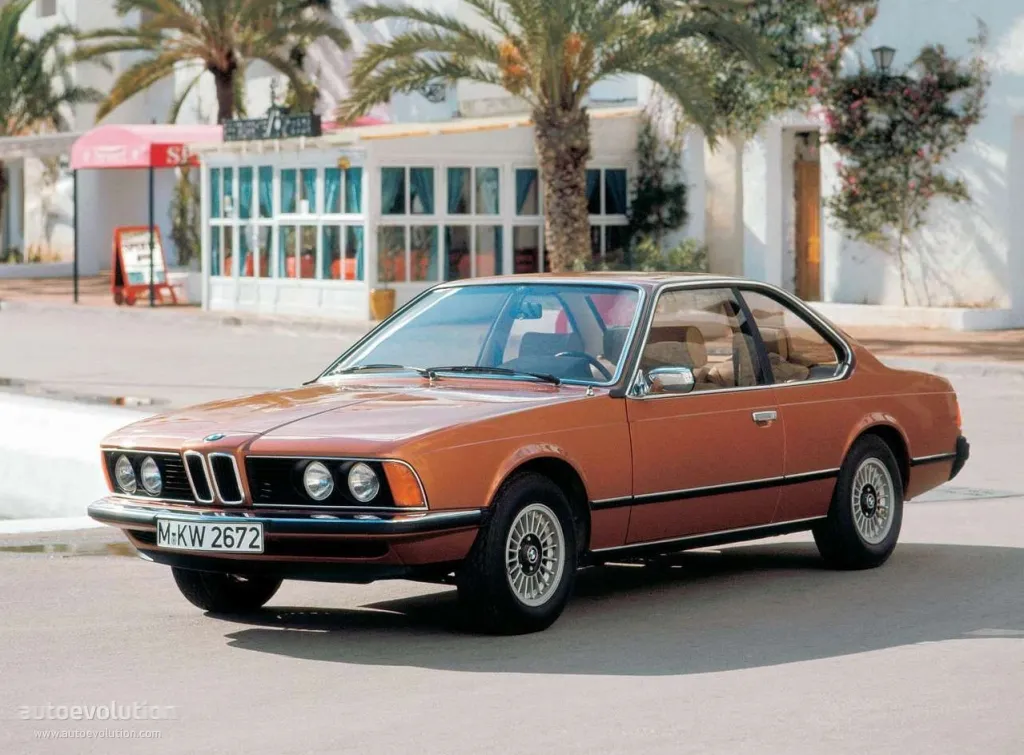
BMW 630 CS (E24) (1976 - 1979)

BMW · 1 trim

BMW 630 CS (E24)

The BMW 630 CS (E24) (1976 - 1979) is available in 1 trims producing 185 to 185 hp. The fastest trim reaches 211 km/h.

Power
185 hp
0–100
Fuel economy
Cargo
416 l

630 CS (E24) Trims

Compare →
Trims and engine versions — BMW 630 CS (E24)
Trim Fuel Power Torque 0–100 Top speed Fuel economy CO2 Select
3.0L 4MT (185 HP) Petrol 185 hp 255 Nm 211 km/h

Fuel economy and CO2 follow the stated test cycle. Manufacturer figures; deviations per market and option pack are possible.

Is BMW 630 CS (E24) a good choice against other models?

Average across every BMW 630 CS (E24) trim, compared with 458 trims of other cars from the 1973–1979 period.

Is BMW 630 CS (E24) a good choice against other models?
Measure This model Average Position
Power 185 hp 131 hp
better than 83%
Torque 255 Nm 197 Nm
better than 77%
Top speed 211 km/h 180 km/h
better than 82%
Cargo volume 416 l 416 l
better than 58%
Unladen weight 1,450 kg 1,295 kg
better than 29%

Percentages show the share of trims from the same period this model beats on that measure. Manufacturer figures.

Not stated by the manufacturer: acceleration 0–100 km/h, combined consumption and co2 emissions. Those measures are left out of the comparison.

Comparable models from other brands

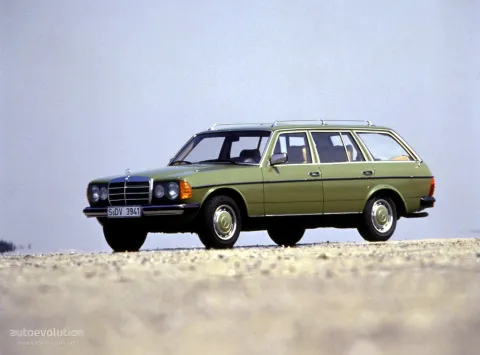
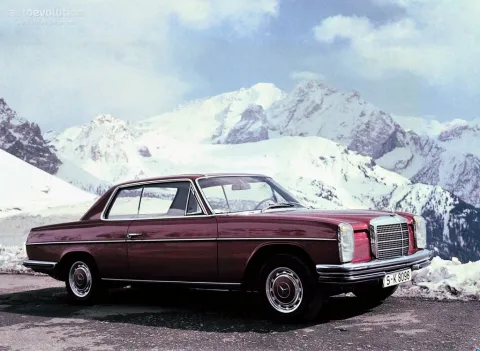
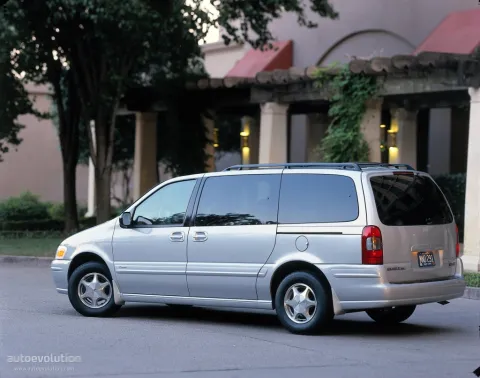
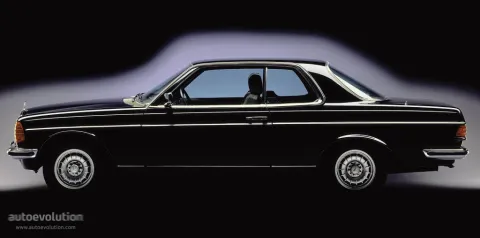
Mercedes-Benz Suzuki Toyota Oldsmobile

About BMW 630 CS (E24)

BMW took a gamble when it introduced the first generation of the 6-series, but the sales of that magnificent coupe rewarded its hopes.

The German carmaker had to retire the already old E9 series, and it didn't have a proper replacement for it. It had an excellent new platform from the first generation of the 5-series (the 1972 E12) and a new design language introduced by the 3-Series in 1971. Unlike the smaller sibling, the 6-Series was made as a large coupe with a grand-tourer inspiration.

With a design signed by Paul Braq and its fake-cabriolet bodywork, the 6-Series quickly became a very thought-after car. Mercedes-Benz didn't have anything to offer on the same segment, and its closest rival on the European market was the Jaguar XJS, which was pricier than the German coupe. Its rear-raked front fascia resembled a shark-nose, and the chromed, wrapped-around bumper made the car looks sporty.

The same team designed the first generation of the 7-Series and the 6-Series, and that is why they are similar in shapes. The shark-nose design and the descending trunk line were similar. But unlike the executive sedan, the 6 Series featured frameless windows for the doors and only two seats in the back. The dashboard featured a centers stack tilted toward the driver, and the instrument cluster featured four dials. The German carmaker kept the same layout for over two decades: coolant temperature, tachometer, speedometer, and fuel level.

When BMW introduced the 6-Series on the market, it relied on a 3.0-liter inline-six engine fed by a carburetor and paired to a 4-speed manual. After the carmaker noticed the car's success, it decided to give it more power and more features to make it more appealing for wealthier customers.

How much power does the BMW 630 CS (E24) have?

The most powerful BMW 630 CS (E24) trim is the 3.0L 4MT (185 HP) with 185 hp. The model has 1 trims, starting at 185 hp.

How large is the cargo volume of the BMW 630 CS (E24)?

The largest stated cargo volume for the BMW 630 CS (E24) is 416 litres.

Other BMW models

BMW M1 (E26)

1978 - 1981 · 1 trim

Power
277 hp
0–100
5.9 s
Fuel economy
16.3

Petrol

BMW 3.0 CSL (E9)

1971 - 1975 · 3 trims

Power
205 hp
0–100
6.9 s
Fuel economy
10.9

Petrol

BMW 3.0 CSi

1971 - 1975 · 1 trim

Power
200 hp
0–100
7.6 s
Fuel economy
10.9

Petrol

BMW 2800 CS

1968 - present · 2 trims

Power
170 hp
0–100
8.4 s
Fuel economy
11.0

Petrol