Skip to content
AD

BMW 2800 CS (1968 - present)

BMW · 2 trims

BMW 2800 CS

The BMW 2800 CS (1968 - present) is available in 2 trims producing 170 to 170 hp. The fastest trim reaches 204 km/h. The lowest stated fuel consumption is 11.0 l/100 km.

Power
170 hp
0–100
8.4 s
Fuel economy
11.0 l/100 km
Cargo
450 l

2800 CS Trims

Compare →
Trims and engine versions — BMW 2800 CS
Trim Fuel Power Torque 0–100 Top speed Fuel economy CO2 Select
2.8L 3AT RWD (170 HP) Petrol 170 hp 235 Nm 10.0 s 198 km/h 13.6 l/100 km
2.8L 4MT RWD (170 HP) Petrol 170 hp 235 Nm 8.4 s 204 km/h 11.0 l/100 km

Fuel economy and CO2 follow the stated test cycle. Manufacturer figures; deviations per market and option pack are possible.

Is BMW 2800 CS a good choice against other models?

Average across every BMW 2800 CS trim, compared with 413 trims of other cars from the 1965–1971 period.

Is BMW 2800 CS a good choice against other models?
Measure This model Average Position
Power 170 hp 178 hp
better than 60%
Torque 235 Nm 286 Nm
better than 49%
Top speed 201 km/h 181 km/h
better than 76%
Acceleration 0–100 km/h 9.2 s 12.0 s
better than 74%
Combined consumption 12.3 l/100 km 13.7 l/100 km
better than 46%
Cargo volume 450 l 346 l
better than 73%
Unladen weight 1,320 kg 1,343 kg
better than 53%

Percentages show the share of trims from the same period this model beats on that measure. Manufacturer figures.

Not stated by the manufacturer: co2 emissions. Those measures are left out of the comparison.

Comparable models from other brands

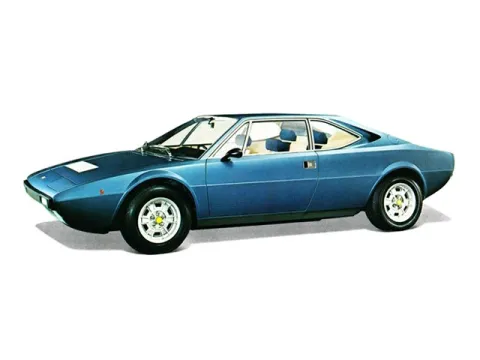
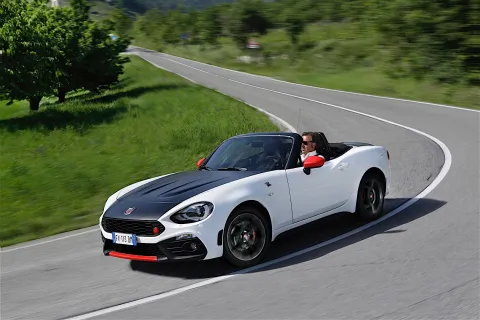
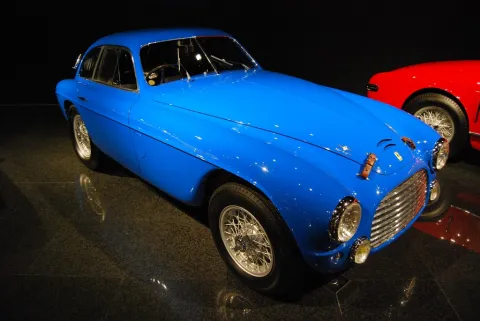
Ford Hyundai Ferrari Fiat

About BMW 2800 CS

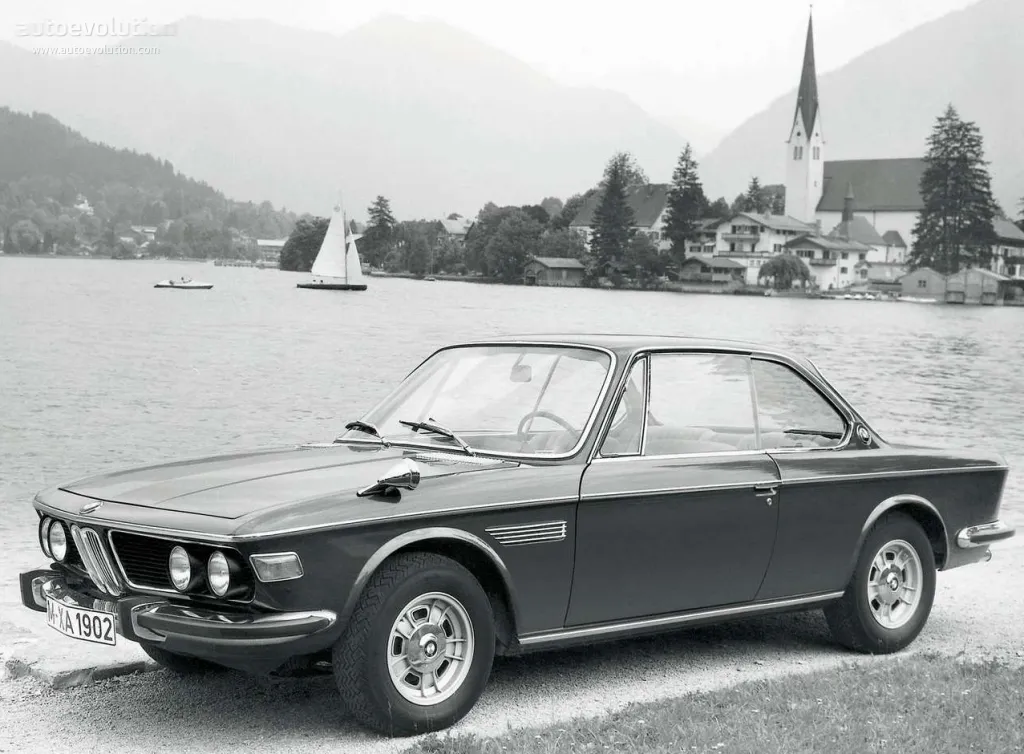
This was the beginning of BMW's revival in the grand touring arena, with a coupe meant for long travels in comfort and style, and later on, evolved into one of the most iconic race cars ever created by the German automaker.

BMW introduced a replacement for the 2000 C (coupe) of the Neue Classe (New Class) lineup in 1968. This time, it focused more on the car's performance. It made that very visible on the exterior through the sharp-looking bodywork penned by Wilhelm Hofmeister. The E9 was also a direct hit against Mercedes-Benz, the automaker that didn't want to save the Munich-based brand just a few years earlier.

The front fascia featured a quad-headlight design. It aimed at the significant U.S. market, so it had to have these types of headlights due to American legislation. From its profile, the long hood was designed to accommodate inline-six engines, so the car could provide more power for its customers. The greenhouse featured a raked windshield and retractable B-pillars. At the same time, at the back, the C-pillars formed the already famous Hofmeister-kick design element.

Inside, the automaker installed a pair of bucket seats at the front and a bench in the rear profiled for two occupants. The dashboard looked interesting for those times, with a distinct instrument cluster in front of the driver, followed by a shelf above the center stack and in front of the side passenger. In addition, customers had the option for a leather-wrapped interior, while the standard version came fitted with cloth seats.

Under the hood, the 2800 CS featured a carbureted inline-six engine that sent its power to the rear wheels via a four-speed manual or, as an option, a three-speed automatic.

How much power does the BMW 2800 CS have?

The most powerful BMW 2800 CS trim is the 2.8L 3AT RWD (170 HP) with 170 hp. The model has 2 trims, starting at 170 hp.

What is the fuel consumption of the BMW 2800 CS?

The most economical BMW 2800 CS trim is the 2.8L 4MT RWD (170 HP), with a stated combined consumption of 11.0 l/100 km and — g CO2 per km.

How quickly does the BMW 2800 CS accelerate from 0 to 100 km/h?

The quickest trim is the 2.8L 4MT RWD (170 HP): 0-100 km/h in 8.4 seconds, with a top speed of 204 km/h.

How large is the cargo volume of the BMW 2800 CS?

The largest stated cargo volume for the BMW 2800 CS is 450 litres.

Other BMW models

BMW 1600

1966 - 1975 · 1 trim

Power
84 hp
0–100
13.0 s
Fuel economy
10.0

Petrol

BMW 2000 CS

1965 - 1969 · 1 trim

Power
120 hp
0–100
11.0 s
Fuel economy
10.9

Petrol

BMW 3.0 CSi

1971 - 1975 · 1 trim

Power
200 hp
0–100
7.6 s
Fuel economy
10.9

Petrol

BMW 3.0 CSL (E9)

1971 - 1975 · 3 trims

Power
205 hp
0–100
6.9 s
Fuel economy
10.9

Petrol

BMW 1500

1962 - 1966 · 1 trim

Power
80 hp
0–100
13.5 s
Fuel economy
9.9

Petrol

BMW 3200 CS

1962 - present · 1 trim

Power
160 hp
0–100
14.0 s
Fuel economy
15.0

Petrol