Skip to content
AD

BMW 3.0 CSi (1971 - 1975)

BMW · 1 trim

BMW 3.0 CSi

The BMW 3.0 CSi (1971 - 1975) is available in 1 trims producing 200 to 200 hp. The fastest trim reaches 224 km/h. The lowest stated fuel consumption is 10.9 l/100 km.

Power
200 hp
0–100
7.6 s
Fuel economy
10.9 l/100 km
Cargo
450 l

3.0 CSi Trims

Compare →
Trims and engine versions — BMW 3.0 CSi
Trim Fuel Power Torque 0–100 Top speed Fuel economy CO2 Select
3.0L 4MT (200 HP) Petrol 200 hp 273 Nm 7.6 s 224 km/h 10.9 l/100 km

Fuel economy and CO2 follow the stated test cycle. Manufacturer figures; deviations per market and option pack are possible.

Is BMW 3.0 CSi a good choice against other models?

Average across every BMW 3.0 CSi trim, compared with 461 trims of other cars from the 1968–1974 period.

Is BMW 3.0 CSi a good choice against other models?
Measure This model Average Position
Power 200 hp 158 hp
better than 74%
Torque 273 Nm 247 Nm
better than 68%
Top speed 224 km/h 181 km/h
better than 89%
Acceleration 0–100 km/h 7.6 s 12.6 s
better than 87%
Combined consumption 10.9 l/100 km 12.3 l/100 km
better than 46%
Cargo volume 450 l 353 l
better than 76%
Unladen weight 1,420 kg 1,267 kg
better than 37%

Percentages show the share of trims from the same period this model beats on that measure. Manufacturer figures.

Not stated by the manufacturer: co2 emissions. Those measures are left out of the comparison.

Comparable models from other brands

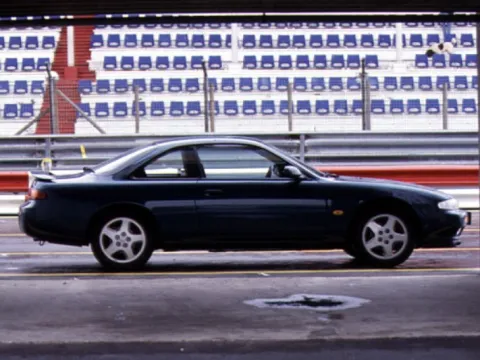
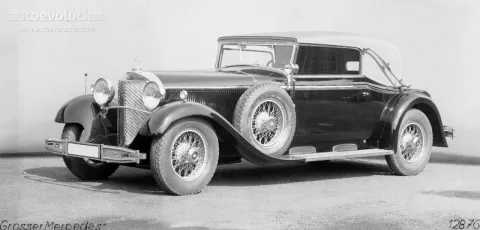
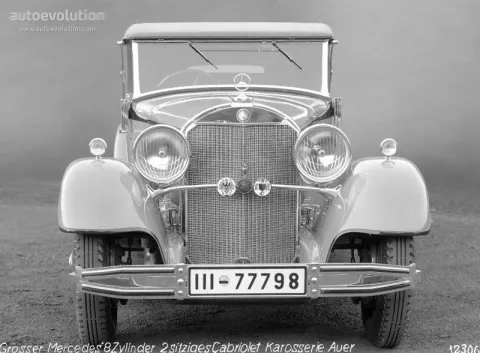
Mercedes-Benz Ford Nissan

About BMW 3.0 CSi

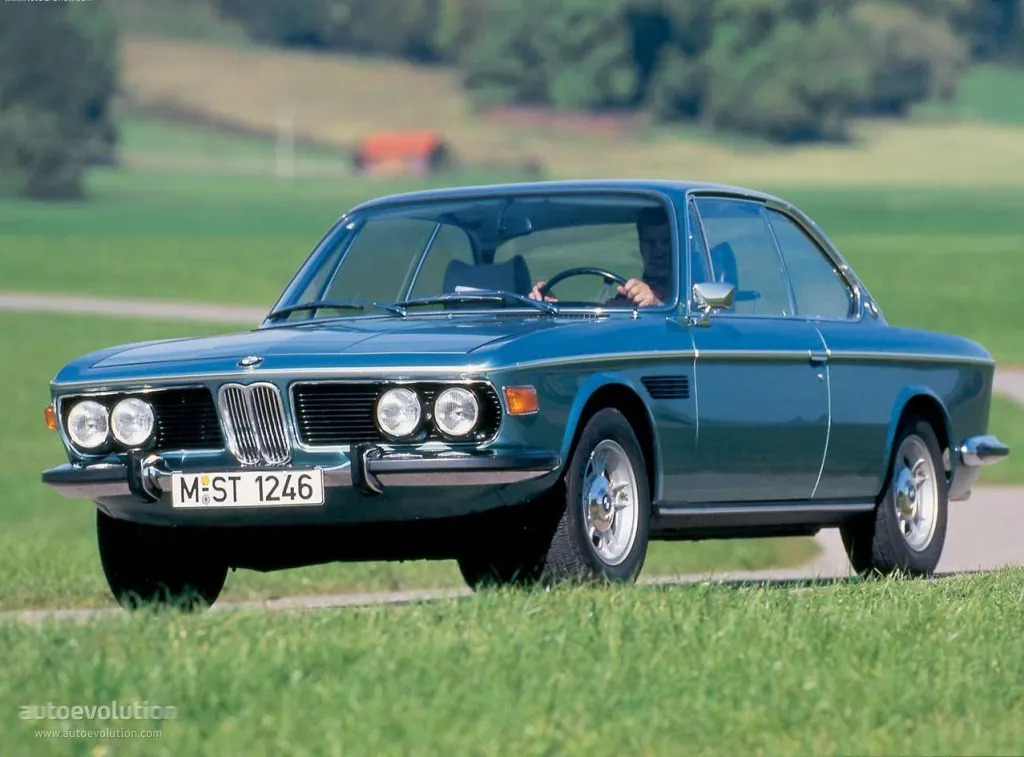
When BMW introduced the so-called "Neue Classe," it introduced a new generation of vehicles that eventually saved the Bavarian carmaker, and the 3.0 CSI was part of them.

BMW introduced the E9 in 1968 with a regular, 2.8-liter carburetor engine. In 1971 it introduced two versions based on the same bodywork: the 3.0 CS and the 3.0 CSI. The latter was a daring move towards the fuel injection systems, which were not that common at those times. It was a checkpoint for the glorious 3.0 CSL, a car that won six European Touring Car Championships.

Wilhelm Hofmeister signed the car's design and created the unique shape of the C-pillar, later known as "The Hofmeister kick." He made a streamlined bodywork with a raked-forward front fascia which sported four headlights and a black grille. In the middle, he placed the chromed trims for the "kidney-grille," which was another basic design pattern used by the German brand. Thanks to the frameless doors, the E9 was considered a fake cabriolet. With all the windows rolled down, there was no B-pillar between the A- and C-pillars.

Inside, the E9 featured two bucket seats at the front and a bench profiled for two adults in the back. The carmaker installed safety belts for all four occupants. In front of the driver, the carmaker installed the four-dial instrument cluster, while on the passenger side, there was a wide shelf. A center console filled the space between the front seats and sported the buttons for all four power windows.

Under the hood, BMW installed an inline-six engine fed by a Bosch D-Jetronic injection system. It provided 200 hp, and it sent them to the rear wheels via a four-speed manual transmission. For the U.S. market, the German carmaker offered a three-speed automatic gearbox.

How much power does the BMW 3.0 CSi have?

The most powerful BMW 3.0 CSi trim is the 3.0L 4MT (200 HP) with 200 hp. The model has 1 trims, starting at 200 hp.

What is the fuel consumption of the BMW 3.0 CSi?

The most economical BMW 3.0 CSi trim is the 3.0L 4MT (200 HP), with a stated combined consumption of 10.9 l/100 km and — g CO2 per km.

How quickly does the BMW 3.0 CSi accelerate from 0 to 100 km/h?

The quickest trim is the 3.0L 4MT (200 HP): 0-100 km/h in 7.6 seconds, with a top speed of 224 km/h.

How large is the cargo volume of the BMW 3.0 CSi?

The largest stated cargo volume for the BMW 3.0 CSi is 450 litres.

Other BMW models

BMW 3.0 CSL (E9)

1971 - 1975 · 3 trims

Power
205 hp
0–100
6.9 s
Fuel economy
10.9

Petrol

BMW 2800 CS

1968 - present · 2 trims

Power
170 hp
0–100
8.4 s
Fuel economy
11.0

Petrol

BMW 1600

1966 - 1975 · 1 trim

Power
84 hp
0–100
13.0 s
Fuel economy
10.0

Petrol

BMW 2000 CS

1965 - 1969 · 1 trim

Power
120 hp
0–100
11.0 s
Fuel economy
10.9

Petrol