Skip to content
AD

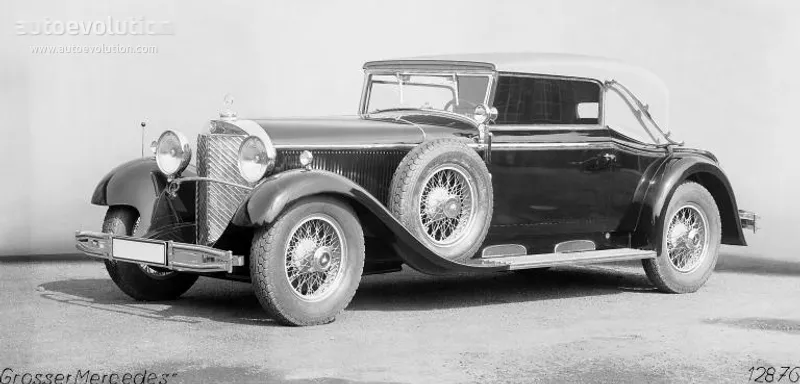
Mercedes-Benz "Grosser Mercedes" Cabriolet C (W07) (1932 - 1938)

Mercedes-Benz · 2 trims

Mercedes-Benz "Grosser Mercedes" Cabriolet C (W07)

The Mercedes-Benz "Grosser Mercedes" Cabriolet C (W07) (1932 - 1938) is available in 2 trims producing 150 to 200 hp. The fastest trim reaches 159 km/h. The lowest stated fuel consumption is 29.0 l/100 km.

Power
200 hp
0–100
Fuel economy
29.0 l/100 km
Cargo

"Grosser Mercedes" Cabriolet C (W07) Trims

Compare →
Trims and engine versions — Mercedes-Benz "Grosser Mercedes" Cabriolet C (W07)
Trim Fuel Power Torque 0–100 Top speed Fuel economy CO2 Select
770 Petrol 150 hp 150 km/h 29.0 l/100 km 691 g/km
770 Kompressor Petrol 200 hp 159 km/h 30.2 l/100 km 718 g/km

Fuel economy and CO2 follow the stated test cycle. Manufacturer figures; deviations per market and option pack are possible.

Is Mercedes-Benz "Grosser Mercedes" Cabriolet C (W07) a good choice against other models?

Average across every Mercedes-Benz "Grosser Mercedes" Cabriolet C (W07) trim, compared with 103 trims of other cars from the 1929–1935 period.

Is Mercedes-Benz "Grosser Mercedes" Cabriolet C (W07) a good choice against other models?
Measure This model Average Position
Power 175 hp 114 hp
better than 83%
Top speed 155 km/h 132 km/h
better than 79%
Combined consumption 29.6 l/100 km 22.0 l/100 km
better than 10%
CO2 emissions 705 g/km 545 g/km
better than 9%

Percentages show the share of trims from the same period this model beats on that measure. Manufacturer figures.

Not stated by the manufacturer: torque, acceleration 0–100 km/h, cargo volume and unladen weight. Those measures are left out of the comparison.

Comparable models from other brands

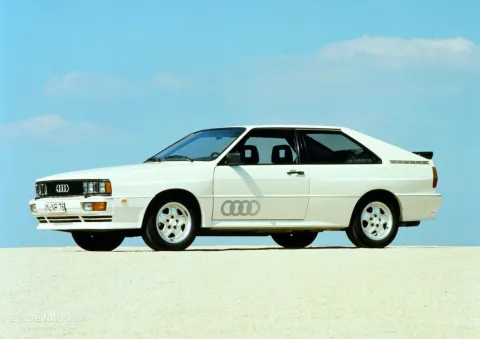
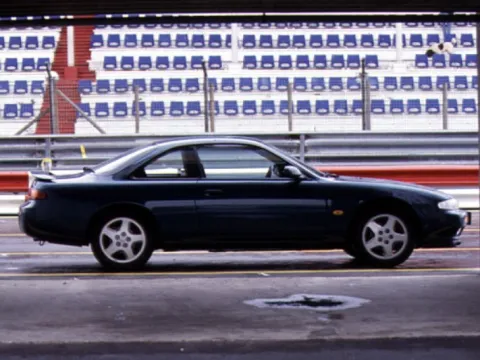
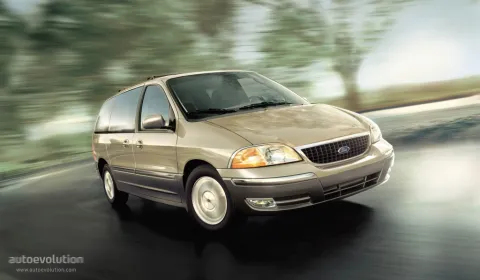
Audi Nissan Ford Ferrari Renault TVR

About Mercedes-Benz "Grosser Mercedes" Cabriolet C (W07)

Two years after the introduction of the Grand Mercedes, the German carmaker opened the orders for a few more convertible versions. Among them was the sporty Cabriolet C.

In 1930, Mercedes-Benz unveiled the Typ 770 (W07) at the Paris Motor Show. The carmaker aimed to regain the crown as the most exquisite car on the market. This title was previously gained by another German carmaker, Maybach. However, unlike its main rival, the three-pointed-star brand expanded the lineup with more vehicles, apart from those sold as chassis-only vehicles.

The Cabriolet C used a shortened chassis than the full-size 770, and it is one of the rarest W07 built. It sported the same V-shaped radiator at the front as a distinctive lineup feature. Mercedes-Benz installed a metallic bumper in front of the wheels, welded onto the chassis' endings. The car's ragtop could fold behind the cabin. It was protected by an additional cover to protect it from the sun when retracted.

Mercedes-Benz made the Cabriolet C with four seats and front-hinged doors. The interior sported a pair of seats at the front and a bench in the back. The latter could fold down and reveal the rear-mounted trunk accessible from the cabin. Like its siblings, the car was finished with leather upholstery and wood trims on the dashboard and door cards.

All Cabriolets were fitted with the supercharged inline-eight powerplant built by the carmaker. Thus, it tried to compensate for the lack of four cylinders when compared to Maybach's V12. The 200 PS (197 hp) engine was paired to a three-speed manual gearbox and a two-speed transfer case, leading to a total of six gears. Moreover, it even featured an overdrive to stay at low revs at the high speeds of the Germans' motorway called Autobahn.

How much power does the Mercedes-Benz "Grosser Mercedes" Cabriolet C (W07) have?

The most powerful Mercedes-Benz "Grosser Mercedes" Cabriolet C (W07) trim is the 770 Kompressor with 200 hp. The model has 2 trims, starting at 150 hp.

What is the fuel consumption of the Mercedes-Benz "Grosser Mercedes" Cabriolet C (W07)?

The most economical Mercedes-Benz "Grosser Mercedes" Cabriolet C (W07) trim is the 770, with a stated combined consumption of 29.0 l/100 km and 691 g CO2 per km.

Other Mercedes-Benz models