Skip to content
AD

Mercedes-Benz Typ SSKL (WS06 RS) (1931 - 1932)

Mercedes-Benz · 1 trim

Mercedes-Benz Typ SSKL (WS06 RS)

The Mercedes-Benz Typ SSKL (WS06 RS) (1931 - 1932) is available in 1 trims producing 300 to 300 hp. The fastest trim reaches 235 km/h. The lowest stated fuel consumption is 31.8 l/100 km.

Power
300 hp
0–100
Fuel economy
31.8 l/100 km
Cargo

Typ SSKL (WS06 RS) Trims

Compare →
Trims and engine versions — Mercedes-Benz Typ SSKL (WS06 RS)
Trim Fuel Power Torque 0–100 Top speed Fuel economy CO2 Select
7.1 Kompressor (27/240/300) Petrol 300 hp 235 km/h 31.8 l/100 km 756 g/km

Fuel economy and CO2 follow the stated test cycle. Manufacturer figures; deviations per market and option pack are possible.

Is Mercedes-Benz Typ SSKL (WS06 RS) a good choice against other models?

Average across every Mercedes-Benz Typ SSKL (WS06 RS) trim, compared with 118 trims of other cars from the 1928–1934 period.

Is Mercedes-Benz Typ SSKL (WS06 RS) a good choice against other models?
Measure This model Average Position
Power 300 hp 116 hp
better than 99%
Top speed 235 km/h 131 km/h
better than 100%
Combined consumption 31.8 l/100 km 22.9 l/100 km
better than 0%
CO2 emissions 756 g/km 563 g/km
better than 0%

Percentages show the share of trims from the same period this model beats on that measure. Manufacturer figures.

Not stated by the manufacturer: torque, acceleration 0–100 km/h, cargo volume and unladen weight. Those measures are left out of the comparison.

Comparable models from other brands

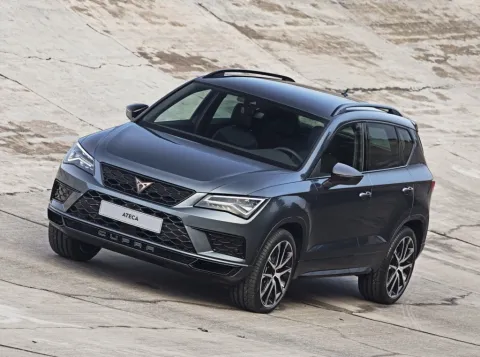
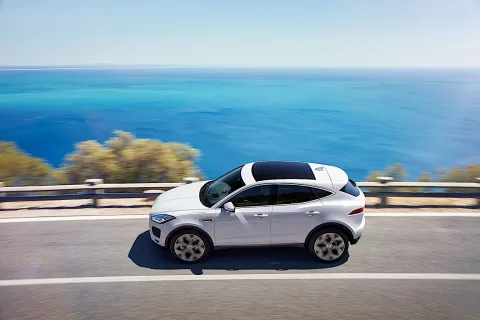
Cupra Jaguar Alpine Toyota BMW Ferrari

About Mercedes-Benz Typ SSKL (WS06 RS)

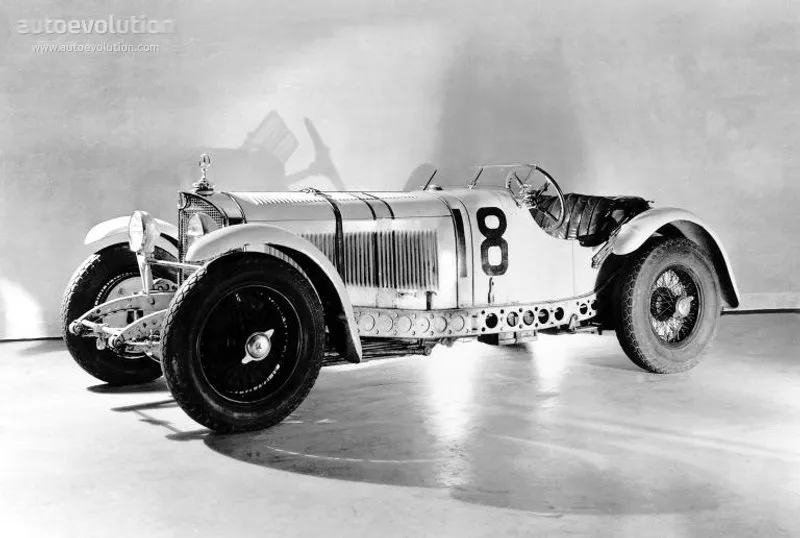
The 1931 Mercedes-Benz SSKL was the car that broke records, wrote history, and sent its competitors back to the drawing board.

Its story began before the merger of the two companies that formed Mercedes-Benz to be completed. Back in the '20s, Daimler-Motoren-Gesellschaft (DMG) started to work on a supercharged racing car. The technical director who worked on the project was Paul Daimler, son of Gottlieb Daimler, the founder of the company. He already had enough experience with supercharged engines developed for aircraft and submarines.

The SSKL was based on the same chassis as the rest of the W06 range, although it was lighter and featured a shorter wheelbase. Mercedes-Benz tried to get a better name at the Mille Miglia racing event. A win there would have meant a huge marketing boost for the carmaker. So, MB's engineers made a lighter version for the already known and appreciated SSK. The result was a 1,350 kg (2,976 lbs) roadster. Its front suspension, consisting of leaf springs, was supported by arched steel beams extended in front of the chassis. The carmaker supported the arched wheel fenders and the triple-headlamp system. On the sides, the bodywork was flush and featured just two seats. Underneath the bodywork, the chassis sported big holes in it to lighten the vehicle. It was a daring move, but it paid off.

On 12/13 April 1931, Rudolf Caracciola wrote history with the SSKL when he won the Mille Miglia race in Italy. They averaged 101.1 kph (62.82 mph) in the race. That was possible thanks to the 7.7-liter supercharged powerplant that delivered 300 hp.

How much power does the Mercedes-Benz Typ SSKL (WS06 RS) have?

The most powerful Mercedes-Benz Typ SSKL (WS06 RS) trim is the 7.1 Kompressor (27/240/300) with 300 hp. The model has 1 trims, starting at 300 hp.

What is the fuel consumption of the Mercedes-Benz Typ SSKL (WS06 RS)?

The most economical Mercedes-Benz Typ SSKL (WS06 RS) trim is the 7.1 Kompressor (27/240/300), with a stated combined consumption of 31.8 l/100 km and 756 g CO2 per km.

Other Mercedes-Benz models