Skip to content
AD

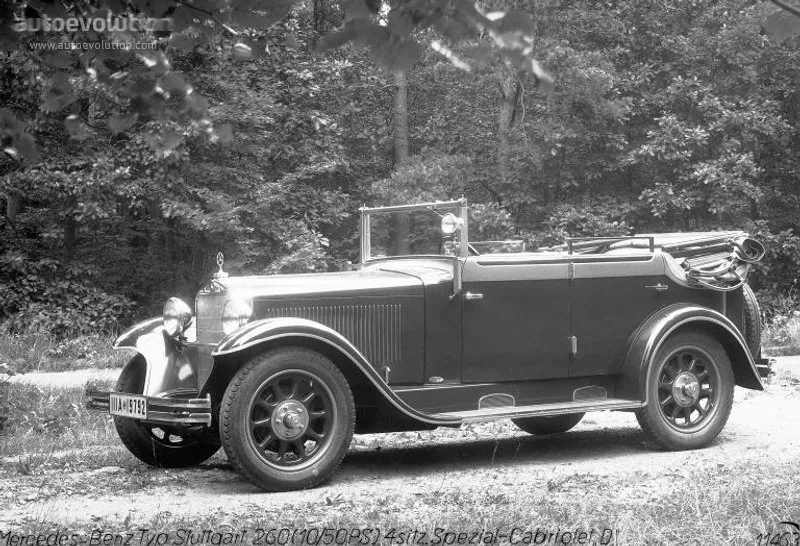
Mercedes-Benz Typ 260 Cabriolet D (1929 - present)

Mercedes-Benz · 1 trim

Mercedes-Benz Typ 260 Cabriolet D

The Mercedes-Benz Typ 260 Cabriolet D (1929 - present) is available in 1 trims producing 50 to 50 hp. The fastest trim reaches 90 km/h. The lowest stated fuel consumption is 17.0 l/100 km.

Power
50 hp
0–100
Fuel economy
17.0 l/100 km
Cargo

Typ 260 Cabriolet D Trims

Compare →
Trims and engine versions — Mercedes-Benz Typ 260 Cabriolet D
Trim Fuel Power Torque 0–100 Top speed Fuel economy CO2 Select
2.6 Petrol 50 hp 135 Nm 90 km/h 17.0 l/100 km 406 g/km

Fuel economy and CO2 follow the stated test cycle. Manufacturer figures; deviations per market and option pack are possible.

Is Mercedes-Benz Typ 260 Cabriolet D a good choice against other models?

Average across every Mercedes-Benz Typ 260 Cabriolet D trim, compared with 89 trims of other cars from the 1926–1932 period.

Is Mercedes-Benz Typ 260 Cabriolet D a good choice against other models?
Measure This model Average Position
Power 50 hp 124 hp
better than 13%
Top speed 90 km/h 136 km/h
better than 8%
Combined consumption 17.0 l/100 km 24.4 l/100 km
better than 83%
CO2 emissions 406 g/km 598 g/km
better than 88%

Percentages show the share of trims from the same period this model beats on that measure. Manufacturer figures.

Not stated by the manufacturer: acceleration 0–100 km/h and cargo volume. Those measures are left out of the comparison.

Comparable models from other brands

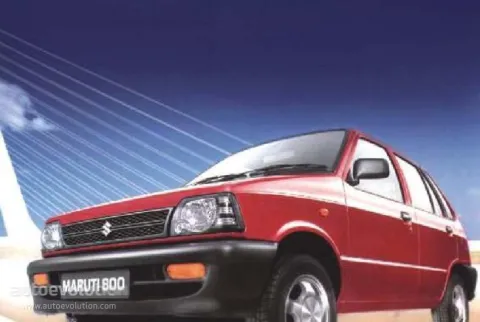
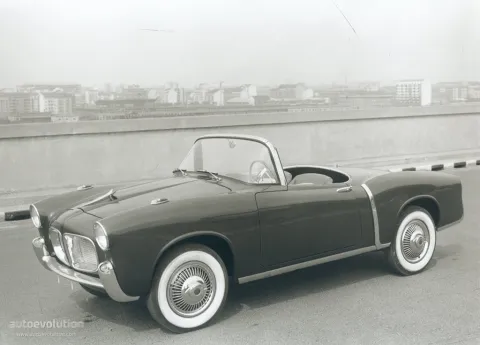
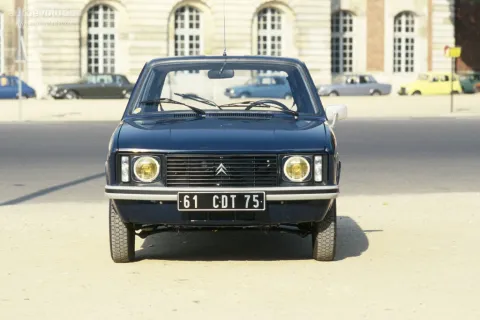
Maruti Suzuki Fiat Citroën Buick Hindustan BMW

About Mercedes-Benz Typ 260 Cabriolet D

When Daimler-Motoren-Gesellschaft and Benz&Cie merged, the new company faced a serious dilemma: either build expensive, luxury cars or mass-market, affordable ones.

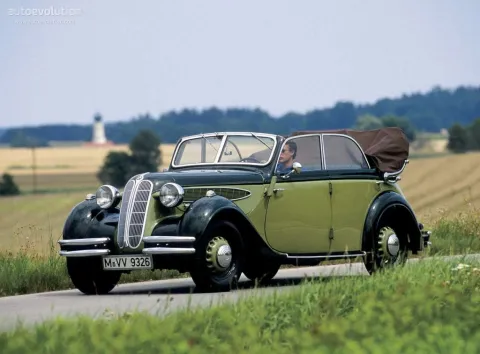
The decision was difficult, but in the end, the newly formed Mercedes-Benz focused on the luxury market, and that was a wise decision. Soon after, the automaker introduced the Typ 260, also known as Stuttgart, in a few bodywork versions, including a closed bodywork, a roadster, and a four-door cabriolet known as Cabriolet D.

Changing the bodywork for a car in those times was easy since most vehicles were built on top of a chassis. Thus, Mercedes-Benz didn't have any problems creating a Cabriolet on the same base as the Sedan version. All it had to do was to remove the upper side of the bodywork and install a retractable canvas at the back of the cabin. The vehicle's front looked identical to the Sedan, but there were no B- or C-pillars. Fortunately, the automaker kept the side windows, albeit these were removable for a complete, open-top experience.

To access the cabin, the automaker installed four doors, those at the front being rear-hinged type. There were two seats at the front and a bench in the rear. Mercedes-Benz also focused on using high-quality materials inside to create a luxurious cockpit.

Under the long hood, Mercedes-Benz installed the same 2.6-liter inline-six with side valves that produced a healthy 50 horsepower. The powerplant was paired with a three-speed manual gearbox and sent its twisting force to the rear wheels.

How much power does the Mercedes-Benz Typ 260 Cabriolet D have?

The most powerful Mercedes-Benz Typ 260 Cabriolet D trim is the 2.6 with 50 hp. The model has 1 trims, starting at 50 hp.

What is the fuel consumption of the Mercedes-Benz Typ 260 Cabriolet D?

The most economical Mercedes-Benz Typ 260 Cabriolet D trim is the 2.6, with a stated combined consumption of 17.0 l/100 km and 406 g CO2 per km.

Other Mercedes-Benz models