Skip to content
AD

Mercedes-Benz Typ Nurburg Cabriolet D (W08) (1928 - 1934)

Mercedes-Benz · 3 trims

Mercedes-Benz Typ Nurburg Cabriolet D (W08)

The Mercedes-Benz Typ Nurburg Cabriolet D (W08) (1928 - 1934) is available in 3 trims producing 80 to 100 hp. The fastest trim reaches 109 km/h. The lowest stated fuel consumption is 25.0 l/100 km.

Power
100 hp
0–100
Fuel economy
25.0 l/100 km
Cargo

Typ Nurburg Cabriolet D (W08) Trims

Compare →
Trims and engine versions — Mercedes-Benz Typ Nurburg Cabriolet D (W08)
Trim Fuel Power Torque 0–100 Top speed Fuel economy CO2 Select
460 K Petrol 80 hp 238 Nm 100 km/h 25.0 l/100 km 595 g/km
460 K (II) Petrol 80 hp 238 Nm 100 km/h 25.0 l/100 km 595 g/km
500 Petrol 100 hp 253 Nm 109 km/h 25.0 l/100 km 595 g/km

Fuel economy and CO2 follow the stated test cycle. Manufacturer figures; deviations per market and option pack are possible.

Is Mercedes-Benz Typ Nurburg Cabriolet D (W08) a good choice against other models?

Average across every Mercedes-Benz Typ Nurburg Cabriolet D (W08) trim, compared with 81 trims of other cars from the 1925–1931 period.

Is Mercedes-Benz Typ Nurburg Cabriolet D (W08) a good choice against other models?
Measure This model Average Position
Power 87 hp 121 hp
better than 36%
Top speed 103 km/h 135 km/h
better than 24%
Combined consumption 25.0 l/100 km 24.3 l/100 km
better than 53%

Percentages show the share of trims from the same period this model beats on that measure. Manufacturer figures.

Not stated by the manufacturer: acceleration 0–100 km/h and cargo volume. Those measures are left out of the comparison.

Comparable models from other brands

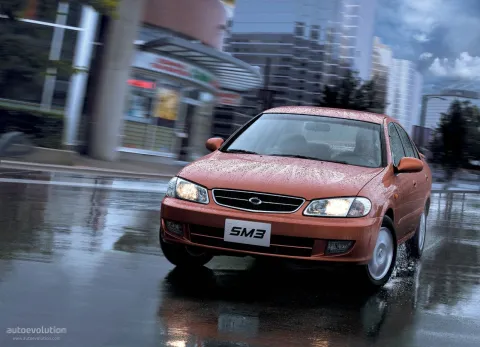
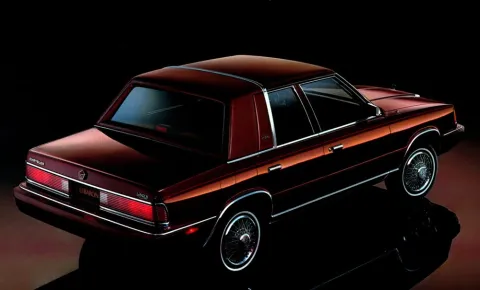
Renault SEAT Saab Samsung Subaru Chrysler

About Mercedes-Benz Typ Nurburg Cabriolet D (W08)

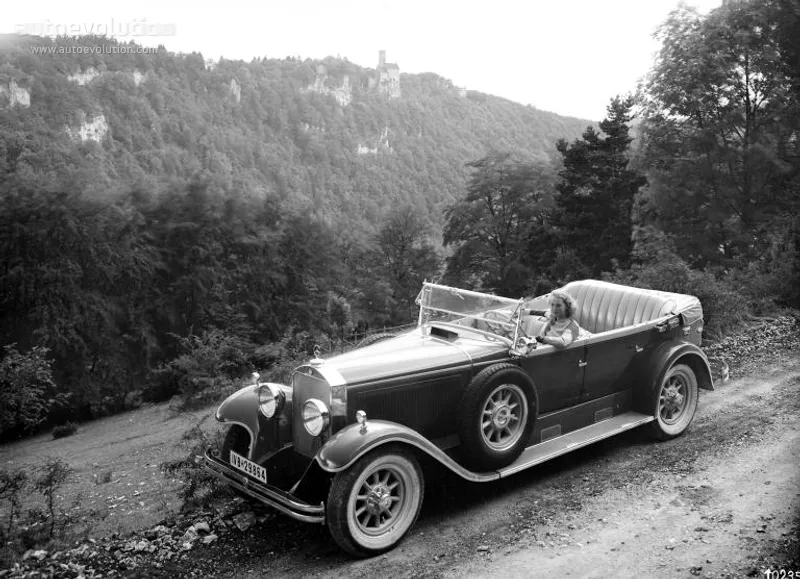
Ferdinand Porsche worked for Mercedes-Benz when he developed a few vehicles, such as the Nurburg lineup or W08, and the Cabriolet D was part of that range of vehicles.

Developed on a high chassis construction, the Nurburg replaced the six-cylinders vehicles from the W03/04/05 lineup. Its name came from the extensive endurance testing program imagined by the German carmaker when a car ran 20.000 km (12.427 miles) in 13 days on the Nurburgring racetrack. The main model was a sedan, but since the convertibles were also in high demand, the carmaker offered them in a few open-top versions as well, such as the Cabriolet D.

Due to the long, inline-eight engine, the car featured a long engine compartment. Just like its siblings, it featured a pair of headlights mounted on a curved chromed bar between the front fenders. From its sides, the curved front fenders were extended toward the back of the vehicle with a set of side steps. Its four-door configuration made it an easier car to live with, especially when the owners had to transport more than two passengers.

Even though it sported a shorter wheelbase than the Cabriolet C, the D-version still provided enough room for five adult passengers inside. The cabin featured a dash panel covered with wood, while the instrument panel took center stage. Its four-spoke steering wheel featured the commands for ignition timing and fuel mixture.

Mercedes-Benz installed the same engine with different power outputs for the entire Nurburg range. The 4.6-liter supercharged version provided 80 hp, while the full-option model featured a 5.0-liter 100 hp unit.

How much power does the Mercedes-Benz Typ Nurburg Cabriolet D (W08) have?

The most powerful Mercedes-Benz Typ Nurburg Cabriolet D (W08) trim is the 500 with 100 hp. The model has 3 trims, starting at 80 hp.

What is the fuel consumption of the Mercedes-Benz Typ Nurburg Cabriolet D (W08)?

The most economical Mercedes-Benz Typ Nurburg Cabriolet D (W08) trim is the 460 K, with a stated combined consumption of 25.0 l/100 km and 595 g CO2 per km.

Other Mercedes-Benz models