Skip to content
AD

Saab 90 (1984 - 1987)

Saab · 1 trim

Saab 90

The Saab 90 (1984 - 1987) is available in 1 trims producing 100 to 100 hp. The fastest trim reaches 165 km/h. The lowest stated fuel consumption is 10.0 l/100 km.

Power
100 hp
0–100
14.0 s
Fuel economy
10.0 l/100 km
Cargo
617 l

90 Trims

Compare →
Trims and engine versions — Saab 90
Trim Fuel Power Torque 0–100 Top speed Fuel economy CO2 Select
2.0L 5MT (100 HP) Petrol 100 hp 162 Nm 14.0 s 165 km/h 10.0 l/100 km 238 g/km

Fuel economy and CO2 follow the stated test cycle. Manufacturer figures; deviations per market and option pack are possible.

Is Saab 90 a good choice against other models?

Average across every Saab 90 trim, compared with 1,043 trims of other cars from the 1981–1987 period.

Is Saab 90 a good choice against other models?
Measure This model Average Position
Power 100 hp 119 hp
better than 44%
Torque 162 Nm 181 Nm
better than 49%
Top speed 165 km/h 183 km/h
better than 27%
Acceleration 0–100 km/h 14.0 s 12.3 s
better than 27%
Combined consumption 10.0 l/100 km 8.8 l/100 km
better than 24%
CO2 emissions 238 g/km 201 g/km
better than 18%
Cargo volume 617 l 453 l
better than 88%
Unladen weight 1,125 kg 1,144 kg
better than 50%

Percentages show the share of trims from the same period this model beats on that measure. Manufacturer figures.

Comparable models from other brands

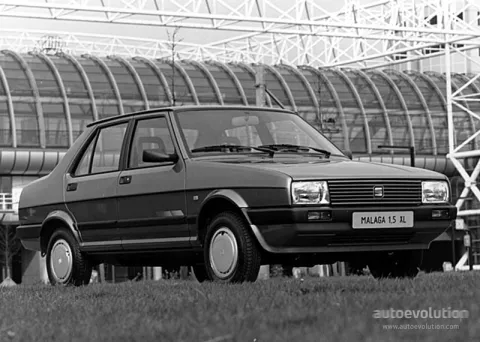
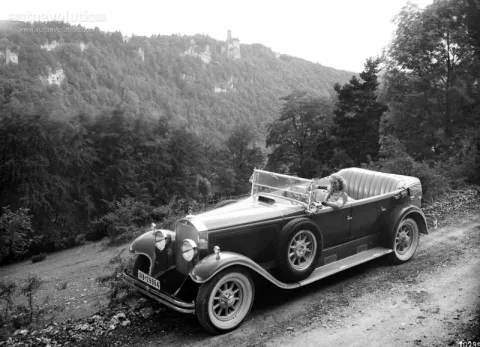
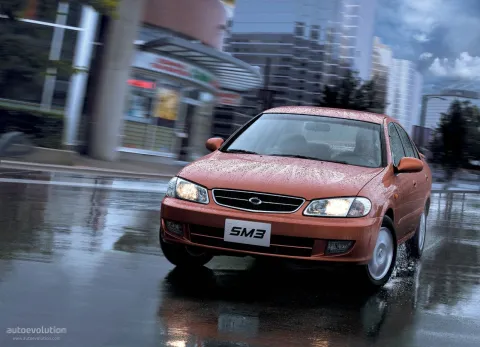
SEAT Mercedes-Benz Samsung Renault

About Saab 90

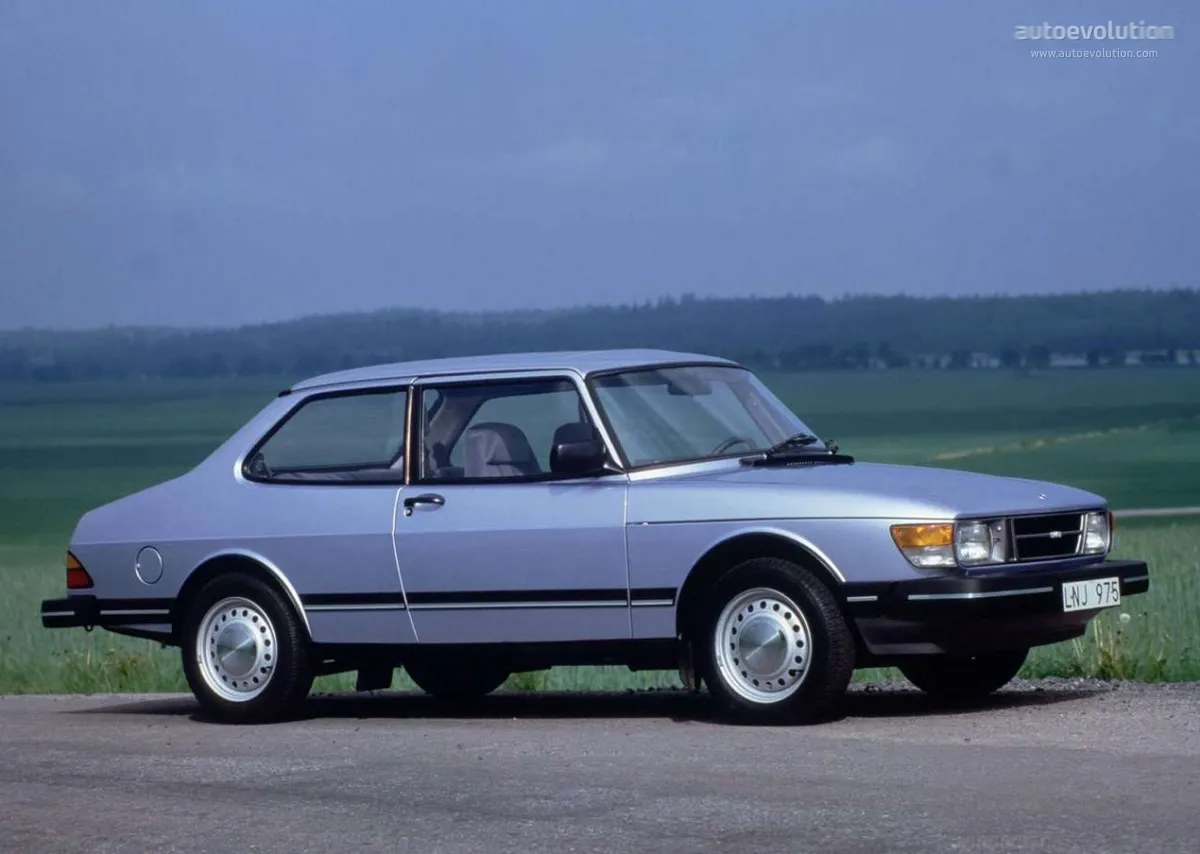
The Finish-made Saab was so special that it stood apart from the rest of the cars on the market, and the carmaker built it in Finland.

The story of the Saab 90 began twenty years before the first car rolled out from the Uusikaupunki factory in Finland. Even though it was a long pregnancy, the result was far worse than the expectation and transformed the 90 into one of the least-sold Saabs ever built, with only 25,378 units delivered to the customers in its three-year production time.

While the front retained the main characteristics of the 99 model, the back was inspired by the larger Saab 900. Its almost vertical windshield was similar to the one offered on the 99 model, but the back was different. Saab made the trunk higher but still with its specific sloped-down tail. In the back, the 900 model inspired the designers when they created the taillights. Like its predecessor, the 90 was available as a two-door only.

Inside, Saab provided unique features for the segment, such as heated seats, velour upholstery, remote door mirror, and a folding rear seat. The carmaker made a clean design with a flat front area and a narrow top for the dashboard. The instrument panel sported three clusters: one for the fuel and coolant temperature gauges, a center-mounted speedometer, and a tachometer on the right.

The platform was carried over from the 99 model, with disc brakes in all corners. Unfortunately, it didn't come with the turbocharged gasoline engine, which was a sale-winner for the 99 range. Saab paired it with a standard four-speed manual with an option for five-speed.

How much power does the Saab 90 have?

The most powerful Saab 90 trim is the 2.0L 5MT (100 HP) with 100 hp. The model has 1 trims, starting at 100 hp.

What is the fuel consumption of the Saab 90?

The most economical Saab 90 trim is the 2.0L 5MT (100 HP), with a stated combined consumption of 10.0 l/100 km and 238 g CO2 per km.

How quickly does the Saab 90 accelerate from 0 to 100 km/h?

The quickest trim is the 2.0L 5MT (100 HP): 0-100 km/h in 14.0 seconds, with a top speed of 165 km/h.

How large is the cargo volume of the Saab 90?

The largest stated cargo volume for the Saab 90 is 617 litres.

Other Saab models

Saab 9000 CS

1991 - 1998 · 13 trims

Power
224 hp
0–100
6.9 s
Fuel economy
9.0

Petrol

Saab 9000 CD

1994 - 1997 · 11 trims

Power
211 hp
0–100
7.5 s
Fuel economy
9.2

Petrol

Saab 9-2X

2004 - 2006 · 2 trims

Power
230 hp
0–100
Fuel economy
9.4

Petrol

Saab Turbo X

2008 - 2012 · 2 trims

Power
280 hp
0–100
6.2 s
Fuel economy
10.9

Petrol

Saab 9-3X

2009 - 2012 · 3 trims

Power
209 hp
0–100
8.5 s
Fuel economy
5.5

Petrol Diesel CNG