Skip to content
AD

Mitsubishi Starion (1982 - 1991)

Mitsubishi · 3 trims

Mitsubishi Starion

The Mitsubishi Starion (1982 - 1991) is available in 3 trims producing 155 to 180 hp. The fastest trim reaches 220 km/h. The lowest stated fuel consumption is 9.6 l/100 km.

Power
180 hp
0–100
7.6 s
Fuel economy
9.6 l/100 km
Cargo
300 l

Starion Trims

Compare →
Trims and engine versions — Mitsubishi Starion
Trim Fuel Power Torque 0–100 Top speed Fuel economy CO2 Select
2.6L Turbo 5MT (155 HP) Petrol 155 hp 283 Nm 8.2 s 216 km/h 10.6 l/100 km 252 g/km
2.0L 16V Turbo 5MT (170 HP) Petrol 170 hp 245 Nm 7.6 s 220 km/h 9.6 l/100 km 228 g/km
2.0L 16V Turbo 5MT (180 HP) Petrol 180 hp 290 Nm 7.6 s 220 km/h 9.6 l/100 km 228 g/km

Fuel economy and CO2 follow the stated test cycle. Manufacturer figures; deviations per market and option pack are possible.

Is Mitsubishi Starion a good choice against other models?

Average across every Mitsubishi Starion trim, compared with 876 trims of other cars from the 1979–1985 period.

Is Mitsubishi Starion a good choice against other models?
Measure This model Average Position
Power 168 hp 119 hp
better than 84%
Torque 273 Nm 182 Nm
better than 88%
Top speed 219 km/h 180 km/h
better than 88%
Acceleration 0–100 km/h 7.8 s 12.6 s
better than 91%
Combined consumption 9.9 l/100 km 9.0 l/100 km
better than 28%
CO2 emissions 236 g/km 203 g/km
better than 21%
Cargo volume 300 l 462 l
better than 18%
Unladen weight 1,265 kg 1,178 kg
better than 36%

Percentages show the share of trims from the same period this model beats on that measure. Manufacturer figures.

Comparable models from other brands

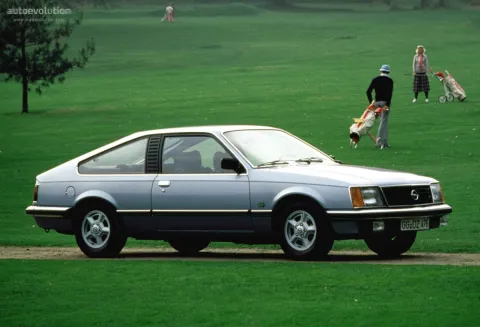
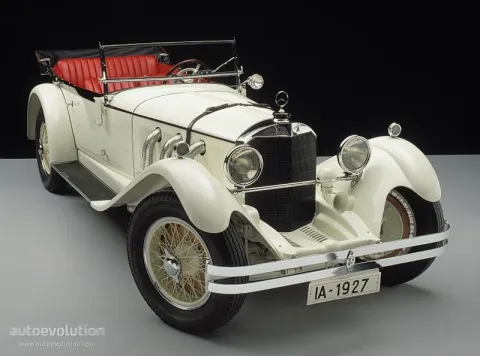
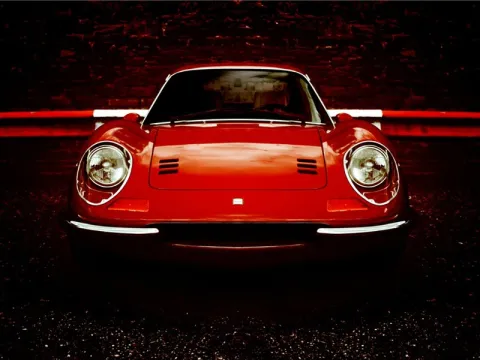
Opel Mercedes-Benz Ferrari Fiat Peugeot

About Mitsubishi Starion

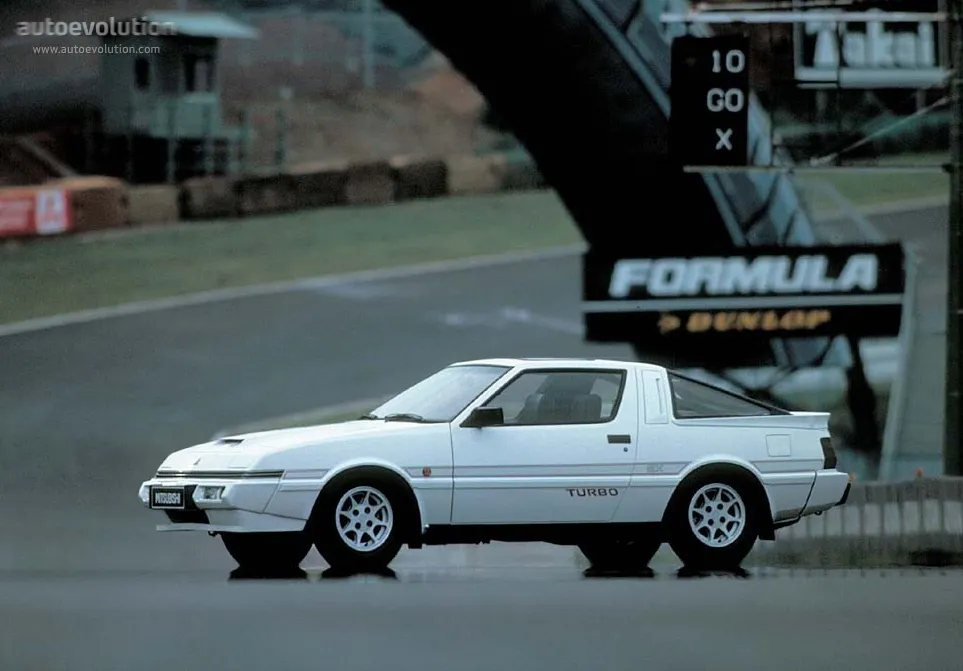
At the beginning of the '80s, the Turbo era just began and new sports cars appeared with small engines and turbochargers to challenge the old-fashioned cars with bigger engines.

Mitsubishi was just one of the car-manufacturers that understood the importance of a turbocharger and add-it to a big displacement four-pot engine under the hood. The design and the name made resembled a spacecraft, while the features inside the car were for the taste of a tech-geek.

The origami-design design of the vehicle was made with flat surfaces and three fake air-vents on the hood. A pop-up headlights system and a deep air-dam completed the sharp nose of the car. The short greenhouse hosted an optional sun-roof. In the back, the liftgate was opened along with the side windows.

Inside, the dashboard was flat and straight, with an instrument panel surrounded by a squared cluster. It was available with regular dials or with a digital cluster that showed the speed and the rev-counter with LED panels. In both versions, it showed the boost pressure level either with green and red LEDs or with a gauge. The squared seats offered side support for the front passengers, but very little room for the rear ones. An interesting failure in design was the door-mounted seatbelts and neither the driver nor the side passenger could not open them while they were strapped in.

The 2.6-liter engine was one of the biggest 4-cylinders on the market. It was boosted by a low-pressure turbocharger that helped it get a better torque in the mid-range. Its performances were above average for those times.

How much power does the Mitsubishi Starion have?

The most powerful Mitsubishi Starion trim is the 2.0L 16V Turbo 5MT (180 HP) with 180 hp. The model has 3 trims, starting at 155 hp.

What is the fuel consumption of the Mitsubishi Starion?

The most economical Mitsubishi Starion trim is the 2.0L 16V Turbo 5MT (170 HP), with a stated combined consumption of 9.6 l/100 km and 228 g CO2 per km.

How quickly does the Mitsubishi Starion accelerate from 0 to 100 km/h?

The quickest trim is the 2.0L 16V Turbo 5MT (170 HP): 0-100 km/h in 7.6 seconds, with a top speed of 220 km/h.

How large is the cargo volume of the Mitsubishi Starion?

The largest stated cargo volume for the Mitsubishi Starion is 300 litres.

Other Mitsubishi models

Mitsubishi L300

1986 - 1994 · 3 trims

Power
111 hp
0–100
15.0 s
Fuel economy
8.7

Petrol Diesel

Mitsubishi Sigma

1991 - 1996 · 4 trims

Power
205 hp
0–100
8.1 s
Fuel economy
10.1

Petrol

Mitsubishi Grandis

2005 - present · 2 trims

Power
165 hp
0–100
10.0 s
Fuel economy
6.6

Petrol Diesel