Skip to content
AD

BMW 3/20 PS (1932 - 1934)

BMW · 1 trim

BMW 3/20 PS

The BMW 3/20 PS (1932 - 1934) is available in 1 trims producing 20 to 20 hp. The fastest trim reaches 80 km/h. The lowest stated fuel consumption is 6.5 l/100 km.

Power
20 hp
0–100
Fuel economy
6.5 l/100 km
Cargo

3/20 PS Trims

Compare →
Trims and engine versions — BMW 3/20 PS
Trim Fuel Power Torque 0–100 Top speed Fuel economy CO2 Select
0.8L 3MT (20 HP) Petrol 20 hp 80 km/h 6.5 l/100 km

Fuel economy and CO2 follow the stated test cycle. Manufacturer figures; deviations per market and option pack are possible.

Is BMW 3/20 PS a good choice against other models?

Average across every BMW 3/20 PS trim, compared with 104 trims of other cars from the 1929–1935 period.

Is BMW 3/20 PS a good choice against other models?
Measure This model Average Position
Power 20 hp 116 hp
better than 1%
Top speed 80 km/h 133 km/h
better than 6%
Combined consumption 6.5 l/100 km 22.3 l/100 km
better than 99%

Percentages show the share of trims from the same period this model beats on that measure. Manufacturer figures.

Not stated by the manufacturer: torque, acceleration 0–100 km/h, co2 emissions and cargo volume. Those measures are left out of the comparison.

Comparable models from other brands

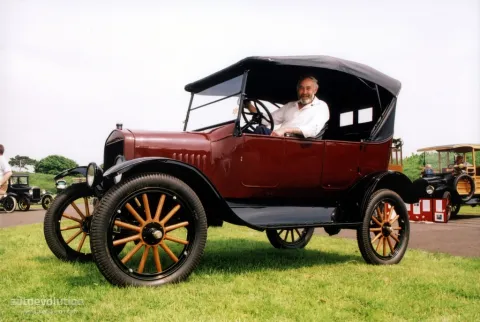
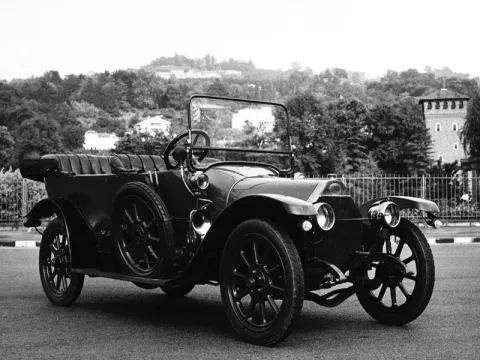
Ford Fiat Renault Buick

About BMW 3/20 PS

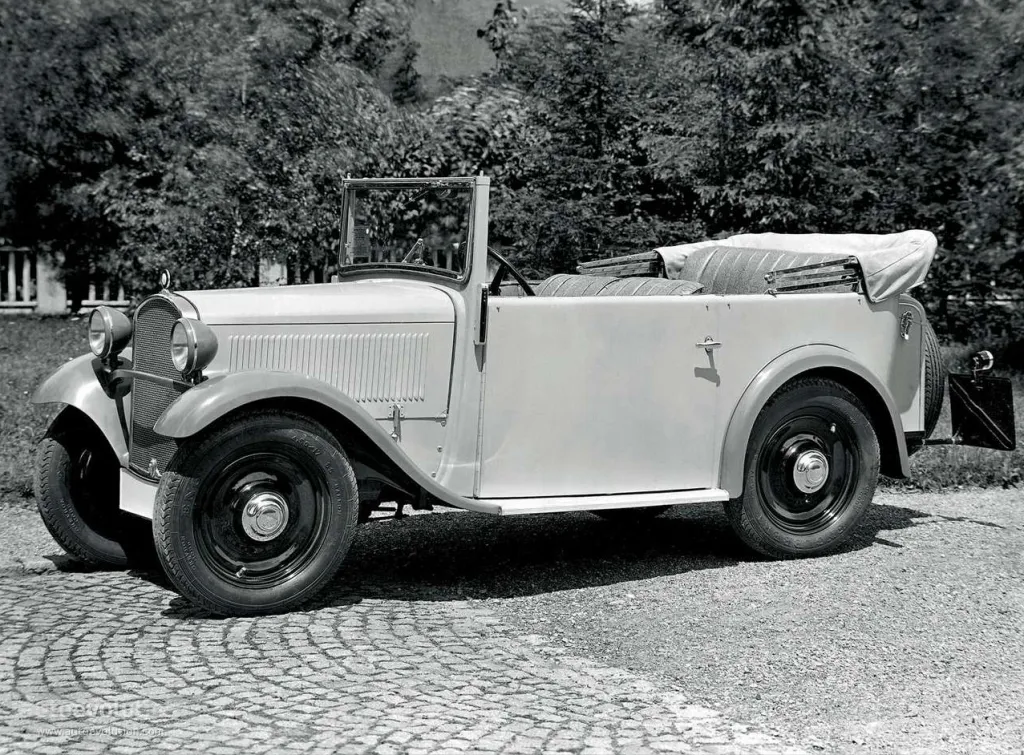
BMW engineers worked hard to develop their first automobile, the 3/20, which entered on the assembly line in 1932 after it ended the license-based 3/15 DA4 "Dixi."

After starting with baby-steps its automobile industry, BMW decided that it was time to walk alone. Its engineers were already made progress in developing a car from the ground up while they were upgrading the Austin 7 model built under license with the name BMW 3/15. The 3/20 might be considered as the first genuine car built by the German carmaker, even though there were obvious connections between the 3/15 and the 3/20.

The exterior was still similarly shaped as the Austin 7, but the carmaker mounted the headlights on a transverse bar mounted in front of the radiator, unlike the British-based model that had them mounted on the engine bay's sides. BMW built the 3/20 as a sedan with two doors, convertible, and roadster. Its chassis was not the same used for its predecessor, and it featured a longer wheelbase. The bodyworks were made by Mercedes-Benz. All models featured front-hinged doors and only one windshield wiper mounted in front of the driver.

BMW offered the 3/20 with either two or four seats inside. Since their inspiration model was the Austin 7, it was still a small vehicle and difficult to use by four grown adults. It was more suitable for a family of four, with two children.

Technically, the 3/20 featured independent suspension in all corners, with a swing-axle in the rear. It was an unusual solution for those times but proved to be very useful. Under the hood, BMW installed an 0.8-liter engine that developed 20 hp mated to a 4-speed manual gearbox.

How much power does the BMW 3/20 PS have?

The most powerful BMW 3/20 PS trim is the 0.8L 3MT (20 HP) with 20 hp. The model has 1 trims, starting at 20 hp.

What is the fuel consumption of the BMW 3/20 PS?

The most economical BMW 3/20 PS trim is the 0.8L 3MT (20 HP), with a stated combined consumption of 6.5 l/100 km and — g CO2 per km.

Other BMW models

BMW 303

1933 - 1934 · 1 trim

Power
30 hp
0–100
Fuel economy

Petrol

BMW 3/15 PS

1929 - 1932 · 1 trim

Power
15 hp
0–100
Fuel economy
6.0

Petrol

BMW 328

1936 - 1939 · 1 trim

Power
82 hp
0–100
10.5 s
Fuel economy
14.5

Petrol

BMW 326

1936 - 1941 · 1 trim

Power
51 hp
0–100
35.0 s
Fuel economy
12.5

Petrol

BMW 327 Coupe

1938 - 1941 · 1 trim

Power
81 hp
0–100
Fuel economy
10.8

Petrol

BMW 335

1939 - 1941 · 1 trim

Power
90 hp
0–100
Fuel economy

Petrol