Skip to content
AD

BMW 328 (1936 - 1939)

BMW · 1 trim

BMW 328

The BMW 328 (1936 - 1939) is available in 1 trims producing 82 to 82 hp. The fastest trim reaches 150 km/h. The lowest stated fuel consumption is 14.5 l/100 km.

Power
82 hp
0–100
10.5 s
Fuel economy
14.5 l/100 km
Cargo

328 Trims

Compare →
Trims and engine versions — BMW 328
Trim Fuel Power Torque 0–100 Top speed Fuel economy CO2 Select
2.0L 4MT (80 HP) Petrol 82 hp 126 Nm 10.5 s 150 km/h 14.5 l/100 km

Fuel economy and CO2 follow the stated test cycle. Manufacturer figures; deviations per market and option pack are possible.

Is BMW 328 a good choice against other models?

Average across every BMW 328 trim, compared with 107 trims of other cars from the 1933–1939 period.

Is BMW 328 a good choice against other models?
Measure This model Average Position
Power 82 hp 95 hp
better than 56%
Top speed 150 km/h 122 km/h
better than 80%
Combined consumption 14.5 l/100 km 17.5 l/100 km
better than 68%
Unladen weight 830 kg 1,700 kg
better than 95%

Percentages show the share of trims from the same period this model beats on that measure. Manufacturer figures.

Not stated by the manufacturer: co2 emissions and cargo volume. Those measures are left out of the comparison.

Comparable models from other brands

Peugeot Smart Volkswagen Fiat

About BMW 328

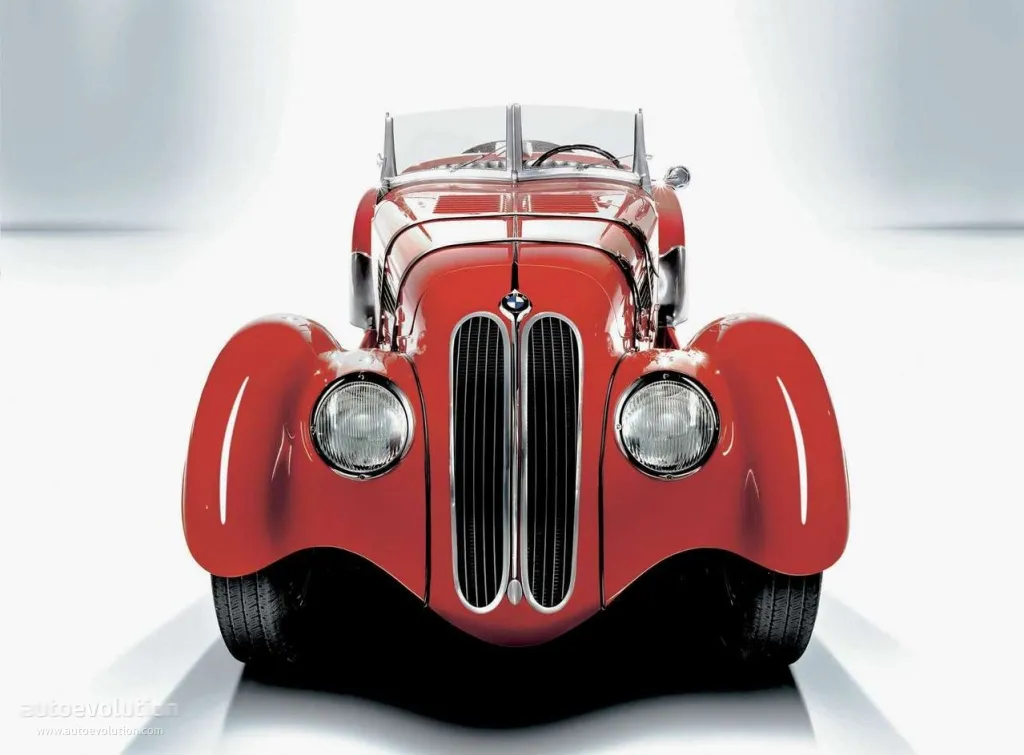
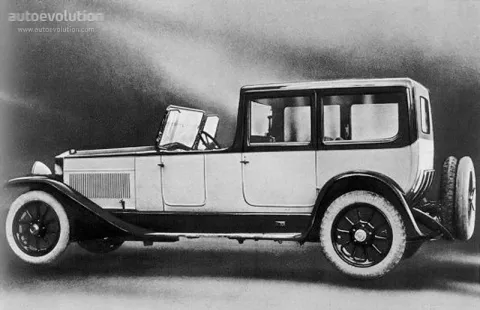
The 1936 BMW 328 was one of the most successful race-cars before WWII and it was considered one of the most important cars built in the XX-h century.

BMW 328 was the only car that won the Mille Miglia in 1940 and it also won the Mille Miglia Classics in 2004. The list of its winnings was long and it included 1st place finishes even after the war. It was the supercar of its era with one of the most classic stylings ever.

A long hood with two flared arches and a pair of headlights that were incorporated into the flowing design of the car was unusual for 1936. The slim and tall “BMW-Kidney” grille was already a brand image both on the tracks and on the streets. The short cockpit was for two passengers and the half-doors were there only to pass the regulations. The rear wheels were covered by flared and extended wheel-arches. Between them, the sloped trunk host the spare-wheel on top of it when the car was used on the streets. In the race, the competitors used to remove the fenders to lighten the car and the spare-wheel for the same reason.

The chassis featured an elliptical profile to decrease weight and increase strength. The excellent handling of the car came from its low weight of 830 kg (1830 lbs), front swing axle with a transverse leaf spring and the rear live axle. The inline-six engine was similar to the one found in the BMW 326 and 327 but featured a different cylinder head and three down-drought carburetors. That setup allowed the car to obtain 80 hp from the 2.0-liter engine. It was mated to a 4-speed gearbox. Depending on the race, the axle final drive ratio could have been changed either for acceleration or for higher speeds.

How much power does the BMW 328 have?

The most powerful BMW 328 trim is the 2.0L 4MT (80 HP) with 82 hp. The model has 1 trims, starting at 82 hp.

What is the fuel consumption of the BMW 328?

The most economical BMW 328 trim is the 2.0L 4MT (80 HP), with a stated combined consumption of 14.5 l/100 km and — g CO2 per km.

How quickly does the BMW 328 accelerate from 0 to 100 km/h?

The quickest trim is the 2.0L 4MT (80 HP): 0-100 km/h in 10.5 seconds, with a top speed of 150 km/h.

Other BMW models

BMW 326

1936 - 1941 · 1 trim

Power
51 hp
0–100
35.0 s
Fuel economy
12.5

Petrol

BMW 327 Coupe

1938 - 1941 · 1 trim

Power
81 hp
0–100
Fuel economy
10.8

Petrol

BMW 303

1933 - 1934 · 1 trim

Power
30 hp
0–100
Fuel economy

Petrol

BMW 335

1939 - 1941 · 1 trim

Power
90 hp
0–100
Fuel economy

Petrol

BMW 3/20 PS

1932 - 1934 · 1 trim

Power
20 hp
0–100
Fuel economy
6.5

Petrol

BMW 3/15 PS

1929 - 1932 · 1 trim

Power
15 hp
0–100
Fuel economy
6.0

Petrol